This tour explains why. You walk past Art Deco icons and neon glow, but the real payoff is how the guide connects buildings to the people, plans, and pop-culture myths that shaped the strip.
Two things I really like: you get behind-the-scenes access to historic hotel spaces, and you also get neon history and Art Deco meaning in plain language, not museum-speak. One drawback to consider: if you only want postcard views and zero backstory, this will feel like a lot of talking.
With Damian leading the way, the whole experience plays like a guided story walk through Miami Beach’s design and drama, from man-made beginnings to film locations you recognize the moment you see the facades.
Key Points You’ll Care About
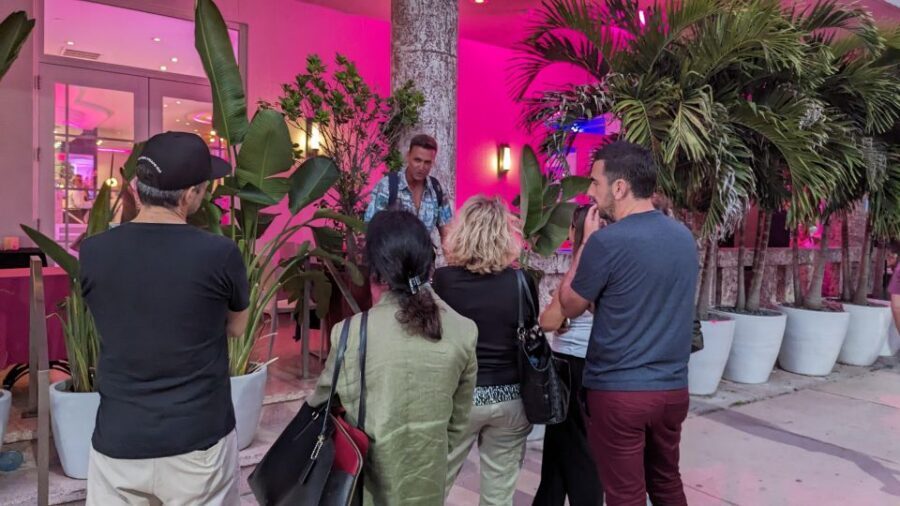
- Damian brings Art Deco theory down to street level, with explanations you can actually use while looking at buildings.
- Neon isn’t treated like décor; you’ll hear how it became part of Miami Beach’s identity.
- You get semi-public access to historic hotel lobbies and other spaces most people miss.
- Pop culture is part of the architecture lesson, with film and TV references including Miami Vice, Scarface, and Birdcage.
- You hear Miami Beach origin stories (including the man-made reality and Biscayne Bay’s earlier swampy past).
- You finish with a curated guide map, so the walk keeps paying off after you leave.
Meeting at The Betsy Hotel and Getting Oriented on Ocean Drive
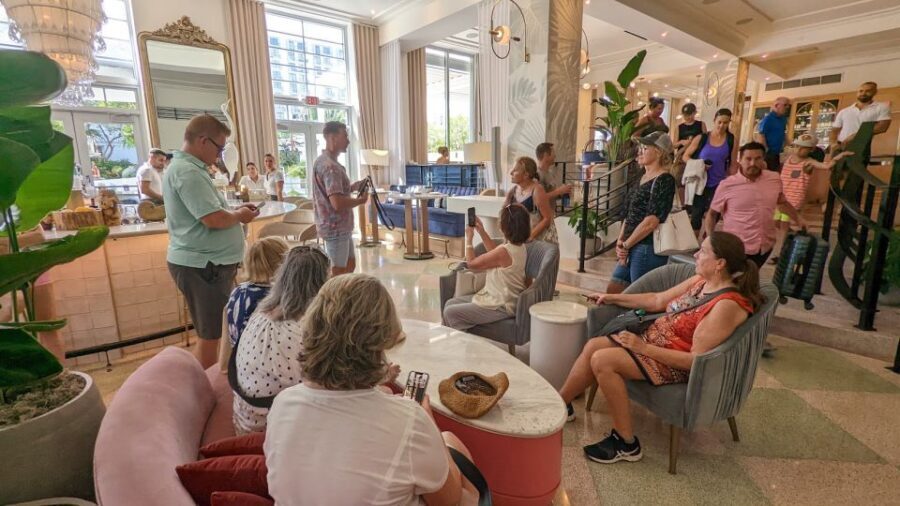
The tour starts in a classic Miami Beach spot: The Betsy Hotel lobby, near the concierge desk. Here’s the small detail that matters. You should walk in from Ocean Drive (not Collins Ave.) so you’re inside before the group begins.
This opening moment sets the tone. Instead of a generic welcome, you get quick framing for what you’re about to see: why Art Deco shows up where it does, how neon became a nighttime language, and why Miami Beach is more engineered than you might assume. It’s the kind of start that helps you look better immediately.
Damian also uses the first minutes to get your eyes tuned. You start noticing patterns: building shapes that funnel light, corners designed for visual drama, and façade choices that make streets feel more theatrical after dark. If you’ve ever wondered why certain streets look like movie sets at golden hour, you’ll understand the mechanics by the time the first major landmark segment is done.
One practical note: this is a 150-minute walking tour, so plan for a steady pace and enough time to linger where Damian points you. You’ll want shoes you can handle comfortably.
Miami Beach as a Built World: Man-Made Plans and Biscayne Bay’s Swampy Past
A big part of the tour’s strength is that it doesn’t start with the buildings. It starts with the place. Miami Beach is, as you’ll learn, mostly man-made. That single idea changes how you interpret everything that follows, because development decisions weren’t just “decorate a coastline.” They were “build a stage and then fill it.”
Damian ties that transformation to the water story behind the area. You’ll hear about Biscayne Bay being a shallow swamp in earlier days, and you’ll connect that to why the city looks and works the way it does today. It’s the kind of context that makes Art Deco make more sense. When a place is engineered, the design choices often feel unusually intentional.
You also get a human layer, not just geography. Damian weaves in the dramatic headline moments Miami Beach is known for, including the sports history connected to Muhammad Ali, whose first world boxing championship moment is tied to Miami Beach in this narrative. Even if you don’t care about boxing, the point is storytelling through place: how a location becomes part of a legend because it happened there.
The tour then moves from origins to identity. That’s where the Art Deco and neon pieces click. The city didn’t just grow; it developed a personality. And the buildings and lights are the visible proof.
Art Deco Explained as Mood Design, Not Just Old Buildings
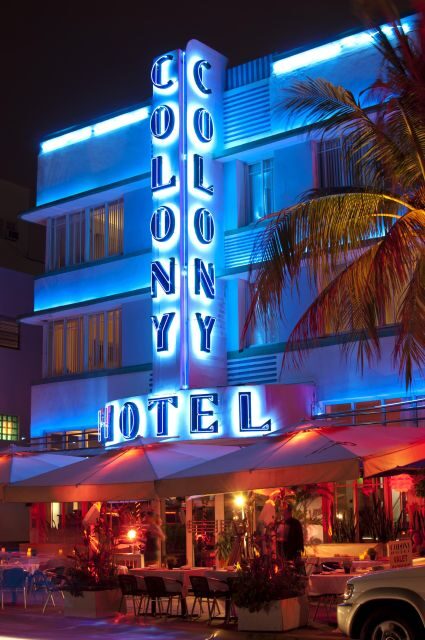
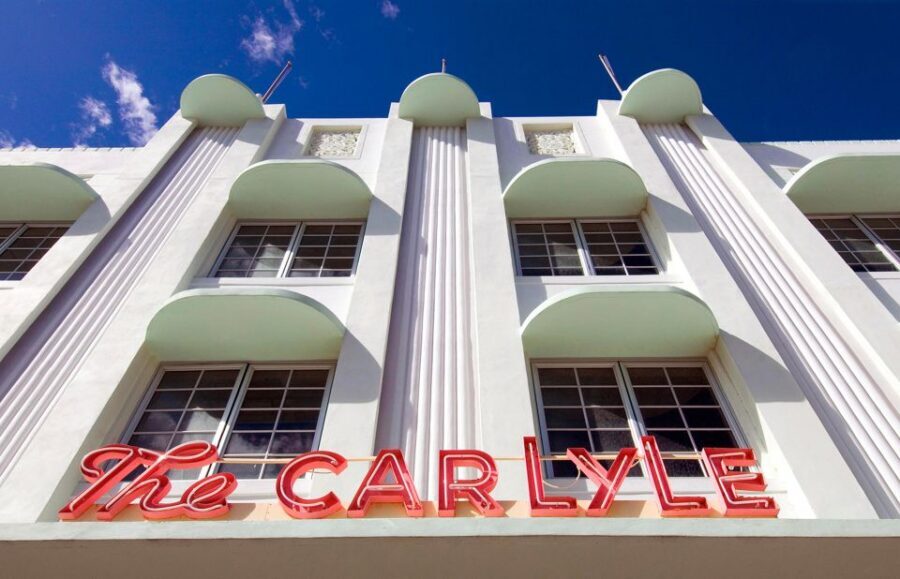
Art Deco can sound like a label until someone shows you what it’s doing. On this tour, Damian treats Art Deco like a design system aimed at one thing: creating a fantasy of glamour.
You’ll learn the significance of Art Deco by looking at how details work together. Think about symmetry, repetition, and the way façade elements catch and bounce light. You’re not just counting motifs. You’re learning what the choices were meant to do to the street scene—how the architecture shaped emotions before neon signs ever took over.
Damian also helps you read the city like a design puzzle. He points out architecture that’s hiding in plain sight, and explains how form, materials, and styling create the Miami Beach look people travel for. It’s the difference between seeing a building and understanding why it looks the way it does.
Another key part: you’ll hear backstories that go beyond what a plaque tells you. The tour includes scandals and crime tales tied to places that once made headlines. That element matters because it turns architecture into context. When a lobby, corridor, or façade has a past, it changes how you experience the space in the present.
If you enjoy history that has tension—progress paired with trouble—this is where the tour tends to feel most alive. If you only want smooth, celebratory facts, it might feel a bit darker than expected, but the framing stays grounded and tied to the physical places you’re standing in.
Neon Lights and the History of the Glow After Dark
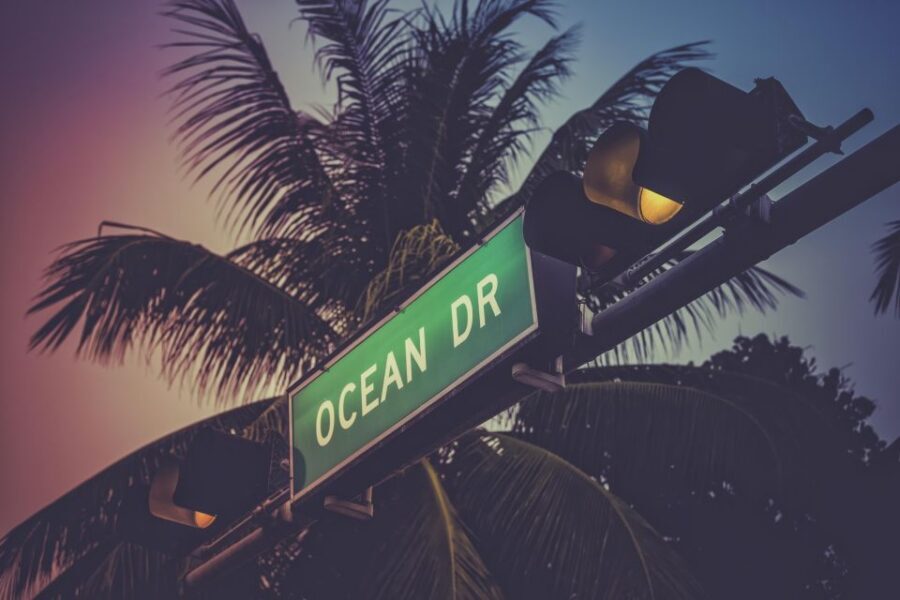
After you understand the design language of Art Deco, the neon segment feels like the next chapter. The tour focuses on the magic glow of neon and why it mattered historically—not just aesthetically.
Damian connects neon to the evolution of Miami Beach nightlife and the way commercial life became part of the visual brand. You’ll learn how neon signs and lighting culture helped turn the beachfront strip into a night-time identity you could recognize instantly. In other words: neon wasn’t only decoration. It was communication, atmosphere, and marketing all at once.
What makes this part satisfying is how it ties back to the buildings. Art Deco shapes the day look; neon shapes the night look. When you put them together, the whole area becomes a designed environment for mood. That’s the tour’s theme in action.
This is also where the “don’t go places you’d never go alone” promise shows up. You’ll get guided access and references that help you find angles and perspectives you might miss while self-walking. You’ll also pick up movie and TV trivia tied to locations where neon and architecture become part of the scene language.
If you’re the kind of person who likes photography, you’ll appreciate the instruction on where to stand and what to watch for visually. Even if you don’t take photos, your brain will still start labeling what you see—and that’s a real souvenir.
Behind-the-Scenes Interiors: Lobbies, Corridors, Speakeasies, and Rooftop Views
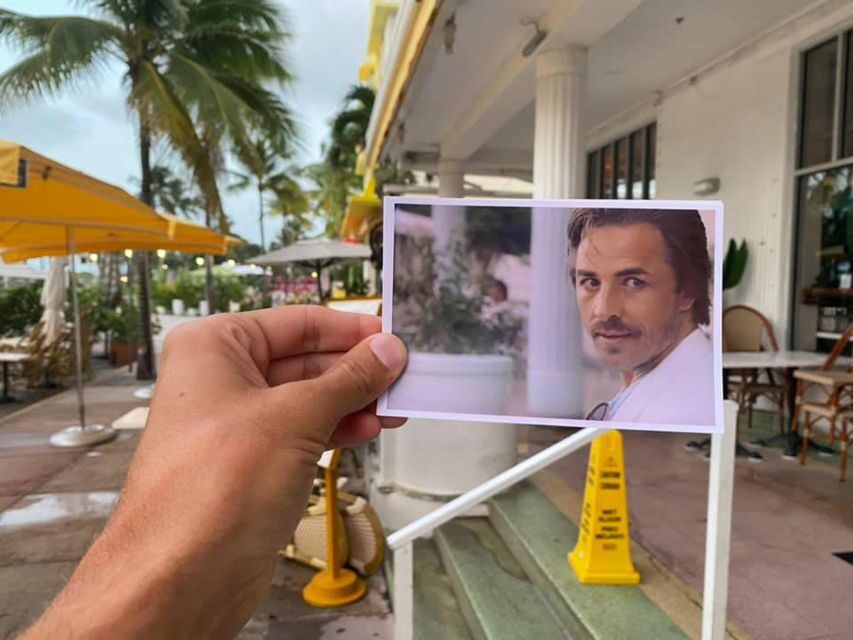
One reason this tour feels different from standard walking routes is the access. You’ll step into historic hotel lobbies and other semi-public spaces, plus you’ll hear stories tied to obscure interiors—places you usually pass by without ever entering.
Damian leads you through the kinds of spots that feel secret even when they’re right under your nose: peculiar corridors leading to hidden havens, obscure lobbies with intriguing tales, and even speakeasies with stories that connect to the eras that shaped Miami Beach.
You also get the rooftop angle. The experience includes secret rooftop terraces with breathtaking views. Even without naming specific rooftops, the effect is clear: you get a higher perspective that re-contextualizes the architecture you just studied at street level. It’s an excellent reset for your eyes and your understanding.
There’s also a darker thread. You’ll step foot on crime scene locations that once captured the world’s headlines. This is not shock-for-shock’s sake. The guide uses those moments to explain how the city’s public image was built—sometimes by glamour, sometimes by controversy.
And because you’re walking and learning in short, connected bursts, you don’t feel like you’re stuck in a single lecture mode. You move, you look, you hear, and then you immediately apply what you just learned to the next façade or doorway.
You’ll leave with a map too. The tour includes an artfully crafted guide map personally curated by your tour host. That’s practical value, not just a keepsake, because it helps you keep exploring with purpose.
Film, TV, and Celebrity Stories: Miami Vice, Scarface, Birdcage, and Ali
Here’s the secret sauce: the tour treats Miami Beach as a set that keeps getting reused. You’ll learn about Hollywood film locations that made Miami famous, including Miami Vice, Scarface, and Birdcage. The point isn’t just name-dropping. Damian shows you how pop culture turned these streets and buildings into recognizable symbols.
As you walk, you’ll get trivia that makes the architecture feel like part of a bigger myth. You start seeing the same shapes and lighting choices as storytelling tools—because directors picked places for their visual impact. That’s why this tour lands well even if you don’t consider yourself a deep history person. Pop culture is the bridge.
Then Damian adds real-world celebrity history to keep it grounded. The tour includes the story of Muhammad Ali becoming world boxing champion for the first time right here in Miami Beach. Again, you’re not just collecting facts. You’re learning how events layered into the city’s identity, creating the aura people associate with Miami Beach.
This section also helps you understand why some spots feel more dramatic than others. When a building has appeared on screen, it carries memory—even if you’ve never visited. Once the guide connects the location to the scenes and themes, the city becomes easier to read.
It’s one of the most praised aspects of the experience: the way the tour connects dots so you understand how architecture, historical events, and pop culture intertwine.
Value at $49: Why 150 Minutes Beats a Random Sights Walk
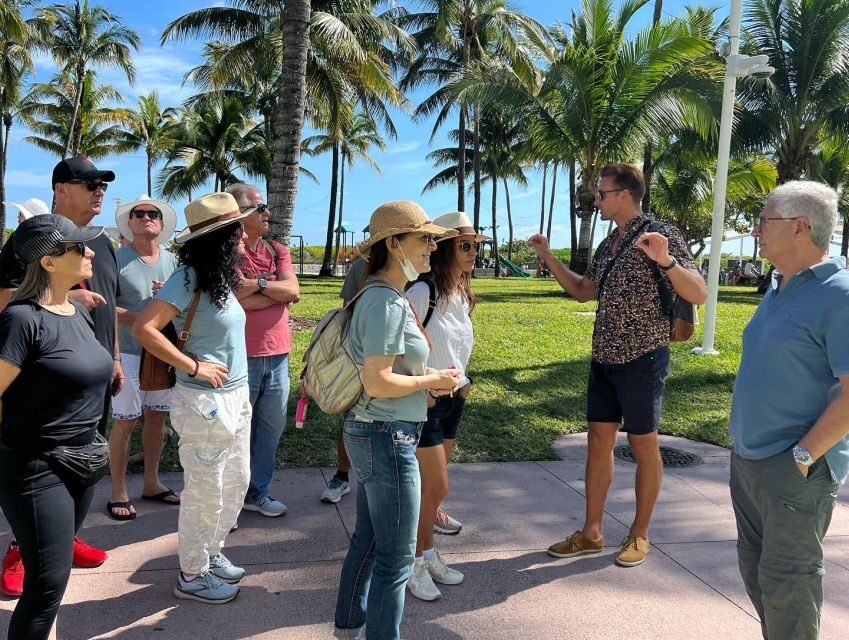
At $49 per person for 150 minutes, the price makes sense if you’re trying to get more than photos. You’re paying for three things most self-guided walks can’t deliver.
First, you’re paying for interpretation. Damian’s approach helps you understand why the buildings look like they do and why neon belongs in the same conversation. Second, you’re paying for access. The tour includes behind-the-scenes entry into historic hotel lobbies and other semi-public spaces that most visitors won’t stumble into. Third, you’re paying for connection-building: film, architecture, Miami Beach origins, and dramatic stories all woven into one route.
This is also a smart choice if you’re only in Miami Beach for a short time. In a compact window, you’ll cover the core visual identity and the deeper reasons it exists. For a single outing, it’s strong value.
The main thing to consider is your interest balance. This is not a purely sightseeing route. If you want a quiet stroll or you prefer to read plaques at your own pace, you may find the storytelling intensity heavy. But if you like your attractions explained with momentum, it’s worth your time.
Who This Tour Suits Best (and Who Should Think Twice)
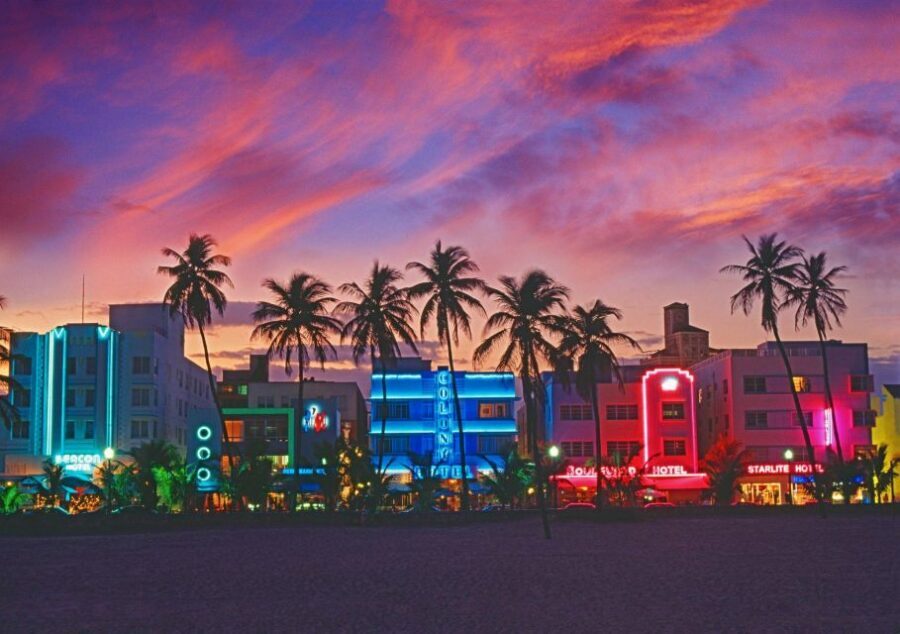
This tour is a great match if you like architecture that has personality. You’ll enjoy it if you’re the type of traveler who can’t resist asking why a façade looks the way it does, or why neon still feels linked to the city’s identity.
It’s also a strong fit if you enjoy film and TV. The tour references familiar titles like Miami Vice, Scarface, and Birdcage, and uses those connections to guide what you look at. Even if you only know one or two of those titles, the tour still gives you the “why this looks cinematic” payoff.
It may not fit as well if your travel style is strictly chill. If you’re hoping for mostly exterior views with minimal history, this is more of a structured story walk. You’ll move, you’ll enter, and you’ll listen.
If you’re traveling with someone who just wants quick landmarks, I’d suggest checking that they’re okay with a guided explanation-heavy format. One good way to make it work is to treat it as a shared prompt: you look at the building; your partner decides whether the story lands.
Should You Book This Art Deco and Neon Lights Walking Tour?
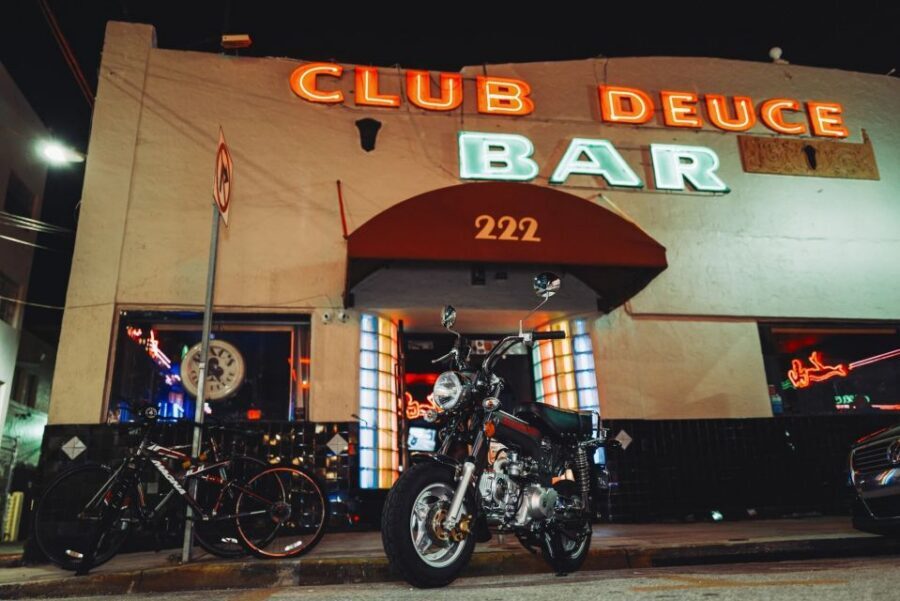
If you want Miami Beach to feel more than scenic, book it. Damian’s style focuses on meaning—Art Deco as mood design and neon as a cultural signal—while also delivering practical added value through semi-public access and a curated map.
Book it especially if you like:
- architecture with context
- film locations tied to real buildings
- stories that connect design to real events
Skip it if you’re chasing only quick visuals and don’t want your walk to include crime tales, scandals, and heavier backstory elements. For the right mindset, though, this is the kind of tour that makes the city stick in your head.
FAQ
How long is the Art Deco and Neon Lights Walking Tour?
The tour lasts 150 minutes.
Where does the tour meet?
Meet in the lobby of The Betsy Hotel near the concierge desk. Walk inside from Ocean Drive, not Collins Ave.
Who leads the tour?
It is guided by a local historian and preservationist (Damian is the named guide in the provided information).
Is the tour in English?
Yes, the live tour guide language is English.
What is included besides the walking portion?
You get guided tour time with behind-the-scenes access to historic hotel lobbies and other semi-public spaces, plus a guide map personally curated by the tour host, and references to famous Hollywood film locations.
What booking options are available?
You can reserve now and pay later, and you can cancel up to 24 hours in advance for a full refund.
]]>I especially like how the tour plans for flavor in a practical way: Cuban coffee (cafecito) plus several classic bites, so you’re not just sightseeing—you’re eating your way through the neighborhood. I also like the mix of stops that are about people (Domino Park), performance (Tower Theater), and place (Calle Ocho), not just storefronts.
One consideration: the experience depends on what’s open and what the guide can actually include. In real-world cases I saw while researching, a guide named Ari was friendly but some scheduled pieces like cigar rolling or certain stops were skipped—so if specific inclusions matter a lot to you, go in with a plan and a little flexibility.
Key things to know before you go
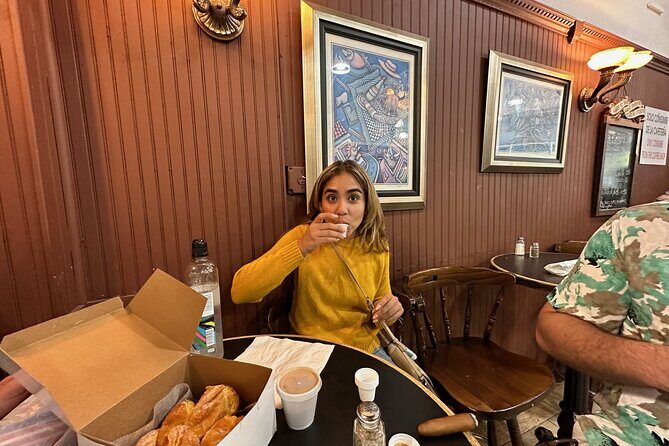
- 2 hours, up to 20 people: short route, small group feel, but still some crowding at popular stops
- Food tastings + Cuban coffee: enough to cover a lunch portion, but drinks are not included
- Live Cuban music and culture stops: you’ll see the neighborhood’s social rhythm, not just murals
- Cigar rolling demonstration: it’s listed as included, but you should treat it as time-sensitive
- Walk about 10–12 short blocks: doable for most people, but comfy shoes matter
- Rain or shine: plan for weather; the route is designed to keep moving
Entering Little Havana from SW 8th St
You start at 1518 SW 8th St, Miami, FL 33135, which is a smart choice because it places you right in the action on the neighborhood’s main corridor. The tour is designed as a walking loop that ends back at the same meeting point, so you’re not stuck figuring out transit or where you’ll end up later.
You’ll be with a bilingual guide, and the pace is meant to fit a 2-hour window. The route includes several quick stops (each around 15–25 minutes), so you’ll get the feeling of Little Havana without burning your day.
The practical part: you’re walking roughly 10–12 short blocks. That’s not an all-day hike, but it’s enough to make sneakers or supportive sandals worth it. Bring water if you tend to run warm—especially if you hit this on a bright afternoon.
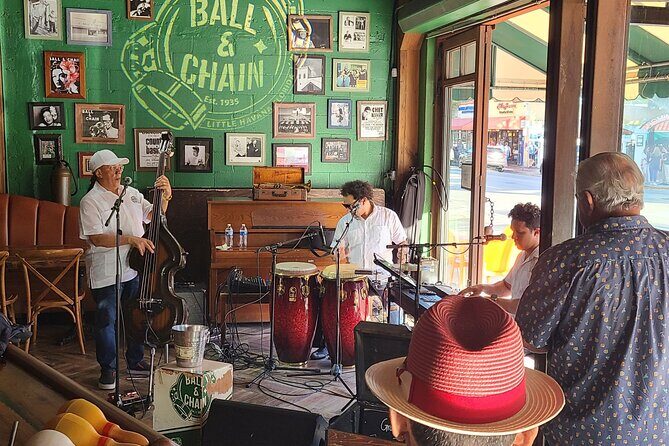
Ball & Chain: a 1935 bar where the night starts early
Stop one is Ball & Chain, a historic bar and music venue in Little Havana. It opened in 1935, and that age shows in the vibe: this isn’t a generic “look at the building” stop. The point here is atmosphere—live music energy mixed with Latin-inspired food and cocktails.
You’ll spend about 25 minutes here, and admission is included. That matters because it helps the tour keep momentum. You’re not hunting for entry fees or trying to time things yourself.
What to watch for: venues like this can vary in what’s actually happening during your visit (music schedules, seating, the flow of crowds). The tour is built to get you inside the experience, but if you’re the type who needs a specific moment—like a set time of music—arrive with a relaxed mindset. Think of it as a guided taste of the scene, not a guaranteed performance at a particular minute.
Calle Ocho: the street-level culture on SW 8th Street
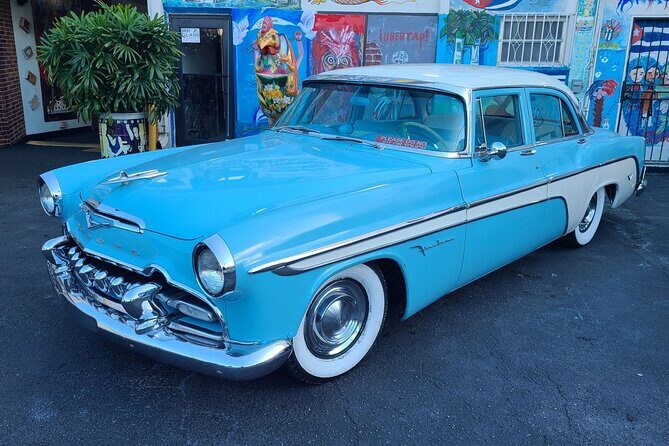
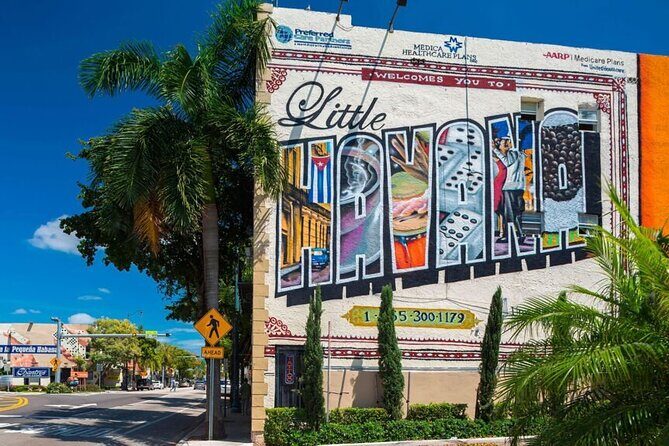
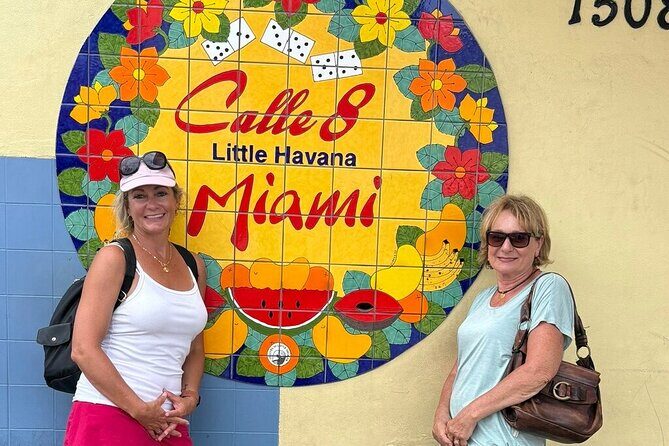
Next is Calle Ocho (SW 8th Street), the neighborhood’s main drag. This is the place for colorful murals, Latin music, food, and regular cultural events. The tour also points to the bigger annual highlight: the Calle Ocho Festival.
You’ll get around 15 minutes here, and admission is included. In practical terms, this segment is about getting your bearings fast. You learn what to look for and how the neighborhood’s Cuban-rooted identity shows up on the street—through art, signage, and the general hum of activity.
The benefit for you is orientation. After Calle Ocho, the rest of the stops make more sense, because you already understand where the “center of gravity” is. The drawback is time: 15 minutes can’t cover everything on the street, so treat this as a sampler. If murals and storefront details are your thing, plan to roam a little after the tour ends.
Bay of Pigs Air Memorial Park: a short stop with real weight

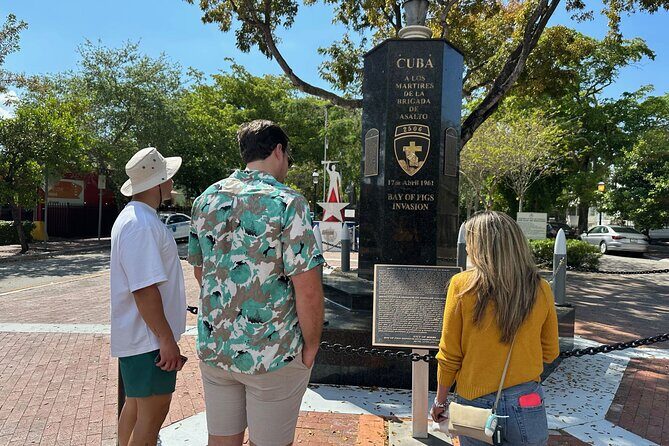
Then you get a different flavor of stop: Bay of Pigs Air Memorial Park. This is tied to the failed Bay of Pigs invasion in April 1961, where Cuban exiles attempted a takeover backed by support from the United States government, aiming to overthrow Fidel Castro.
It’s about 15 minutes, and admission is included. This stop adds meaning to the cultural theme of the tour. Little Havana isn’t just food and music—it’s also where people carry memory, identity, and politics through generations.
A caution for your schedule: memorial-style stops can be quiet compared with the other stops. If you’re traveling with kids or someone who gets restless quickly, this is still a quick visit—but it’s not designed for constant movement or noise. It’s more “pause and learn” than “take photos and snack.”
Domino Park: watching locals play is part of the show
After the memorial, the tour swings back to everyday neighborhood life at Domino Park. This public park is known for its lively community energy—locals gathering to play dominoes, chess, and other board games, with music in the background and that warm-weather hangout feeling.
You’ll spend about 15 minutes here, again with admission included. This is one of the most authentic-feeling stops because you’re not just looking at the neighborhood from the outside. You’re seeing how people socialize in a shared public space.
For you, the value is simple: it turns Little Havana into something you can picture after you leave. The mural walls and storefront signs are great, but watching games and conversations gives you context for how community life actually works.
Tower Theater: a 1926 cultural landmark
Next comes Tower Theater, a historic theater in the heart of Little Havana built in 1926. The tour frames it as an iconic landmark and a cultural center for the Hispanic community, including screenings of films and live performances.
You’ll have about 15 minutes at this stop, and admission is included. Even in a short visit, you can usually feel why a 1926 building matters. It anchors the neighborhood’s cultural identity in something physical—architecture that has survived, adapted, and kept doing its job.
One thing to consider: the degree to which you’ll experience the theater’s programming can vary by day. The tour includes entry, but a theater schedule can shift. Keep your expectations flexible and focus on the building and what it represents rather than assuming a specific show will be happening at exactly the time you arrive.
Lunch without the sit-down: what’s on the tasting menu
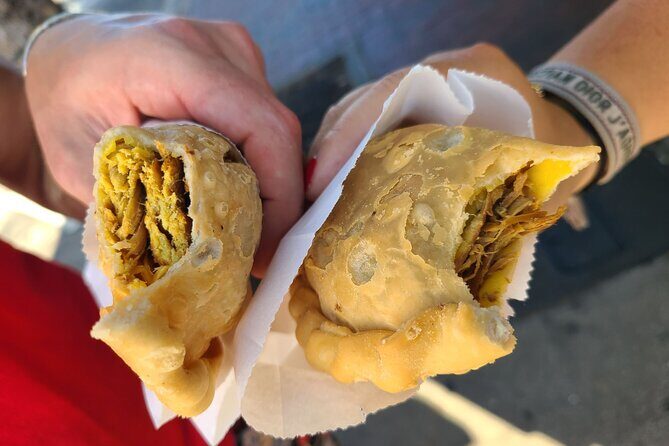
This tour is built to handle food in a way that fits a walking schedule. It’s not a sit-down lunch, but the tastings are designed to equal a lunch portion.
Here’s the sample menu you should expect:
- Cuban coffee (cafecito): a strong espresso shot sweetened with sugar
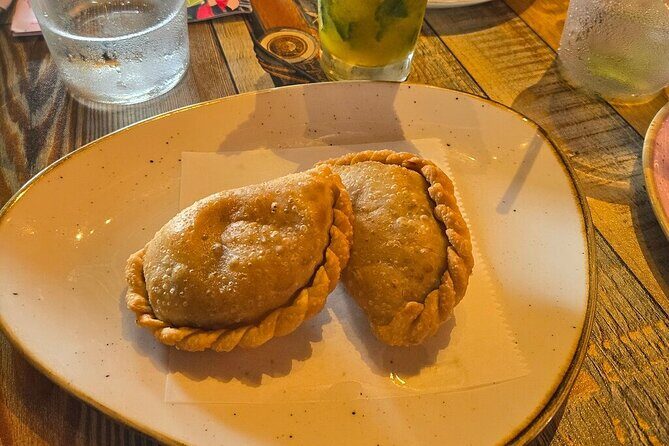
- Cuban empanadas: handheld, savory, and a core Little Havana staple
- Cuban croquetas: crispy bites, often made with mashed potato filling
- Guava pastry (pastelitos de guayaba): a classic sweet finish
What I like about this approach for you is that it’s predictable. You’re not guessing what to order while you’re hungry and surrounded by options. You get a guided path through several recognizable Cuban flavors, plus the coffee you’ll see everywhere in the neighborhood.
Tip for your decision-making: since drinks aren’t included, it helps to go in with a plan for what you want beyond coffee. If you love trying local soft drinks or juices, budget for them separately. And if you’re sensitive to sweetness, the Cuban coffee is typically sweetened, so decide how you’ll pace it alongside the tastings.
Little Havana as a walking story, not a checklist
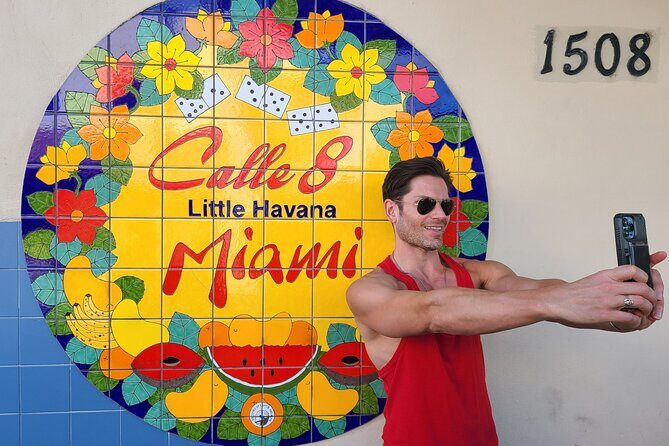
Some neighborhood tours feel like a photo scavenger hunt. This one tries to do better by weaving in broader “place” stops—Little Havana itself as a named segment—so you understand the big picture while you’re moving.
That matters because the neighborhood’s Cuban influence shows up across a few things the tour keeps circling back to: strong identity, murals, music, and cultural events. Even when a stop is short, you’re learning how each location fits the larger story.
I also think the “short and steady” timing is a good fit for travelers who want value. You get multiple points of interest within two hours without needing a car or a complex plan. If you hate over-planning, this format is actually your friend.
Cuba Tobacco Cigar Co: cigars, cigars, cigars (and the rolling demo question)
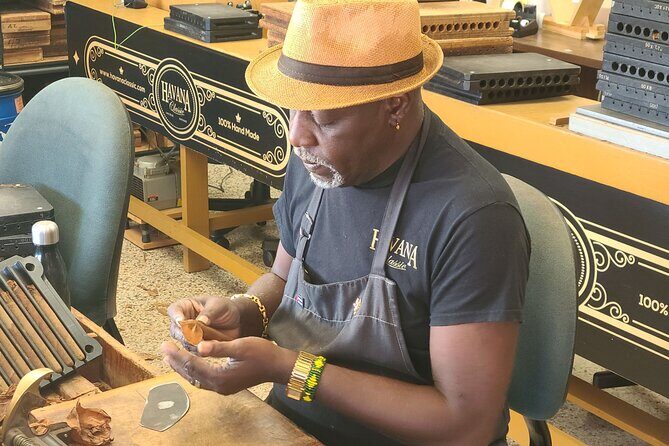
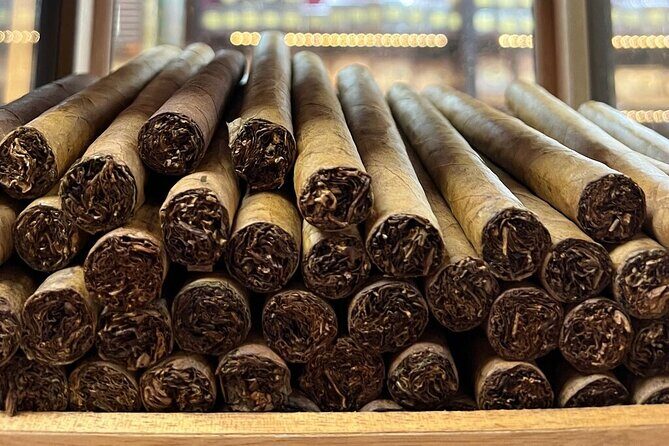
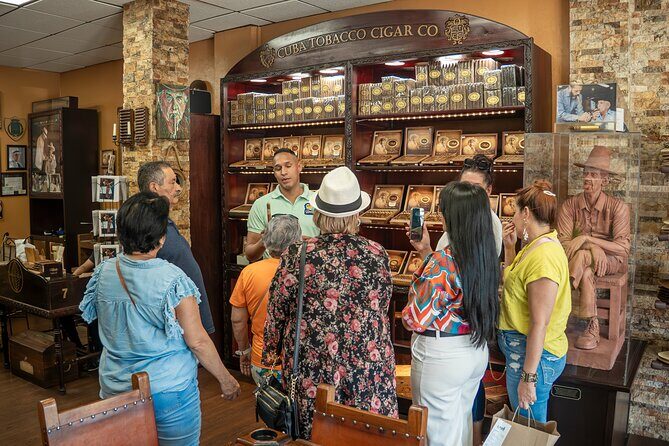
The tour ends at Cuba Tobacco Cigar Co, a family-owned cigar shop known for a wide selection of premium hand-rolled cigars. The tour highlights that many tobaccos are imported from Cuba, which is a big part of why people care about cigar shops in Little Havana.
You’ll spend about 20 minutes here, and the experience includes a cigar rolling demonstration.
Here’s the practical reality: a rolling demo is a time-based activity inside a shop, and shop operations can change depending on crowd flow or what’s happening that day. In one example I saw, a guide named Ari didn’t carry out the cigar rolling demonstration even though cigar stores were visited. That doesn’t mean it will always happen that way, but it does mean you should treat this as an included moment, not a guaranteed souvenir-photo at your exact timeline.
If cigars are the main reason you booked, do this: arrive ready to ask a simple question early in the tour—will the rolling demo happen during the final shop stop? You’re not being difficult; you’re being clear.
Also note: this is a shop, so you may see people buying cigars. The tour itself doesn’t include additional food purchases (and drinks aren’t included either), but nothing stops you from browsing or buying if you want. Just be aware the demo and shop experience may be where your time gets tighter.
Price and logistics: is $99.99 a good deal?
At $99.99 per person for about 2 hours, this tour lands in the mid-range for Little Havana experiences. Where it can feel like a bargain is in the package: food tastings, Cuban coffee, live Cuban music, and a planned cigar moment, all without you having to organize tickets or decide what to eat at each stop.
Where it can feel pricey is if the experience doesn’t line up with what you wanted most. In the examples I reviewed, there were days where expected stops or elements didn’t happen as listed—like skipping the theater visit or missing the Bay of Pigs memorial park segment. When that happens, the tour can shift from “guided value” to “paying for a shorter version than you thought.”
So for you, the value equation depends on your priorities:
- If you want a guided route with coffee + multiple Cuban bites and at least some music and cultural stops, this can be worth it.
- If you booked specifically for a particular inclusion—like the cigar rolling demonstration or specific ticketed locations—factor in some flexibility and be ready to confirm on the day.
Group size is capped at 20 travelers, which helps keep things moving. You’ll also get a mobile ticket, and the tour is offered in English.
When this tour is the best fit
This is a good match if:
- You want to taste several Cuban classics without making decisions under pressure
- You like getting a guided sense of where things are on Calle Ocho and SW 8th St
- You’re interested in culture stops that include both social life and memorial context
- You prefer a short walking plan instead of a long day with multiple separate bookings
It may not be your best pick if:
- You need every single scheduled stop to happen exactly as planned
- You’re traveling on a day with higher chance of closures (holidays can change operating hours)
- You strongly dislike walking, even if it’s short blocks
A realistic “heads up” from real-world outcomes
Let me be blunt about the main risk. This tour can be great when everything is open and the schedule runs cleanly. But it can also disappoint when sites close or time gets compressed.
In one case I saw, a guide named Ari seemed friendly, but the cigar rolling demonstration didn’t happen, and several planned stops were missed. In another case, a last-minute call was made because shops and sites might be closed due to holidays, and the group ended up with far less than expected—coffee and a quick walk, plus small items, while several sights weren’t available. That person also said the tour started later than scheduled and it disrupted their Christmas plans.
I’m sharing this not to scare you, but to help you travel smarter. If you’re booking this for one specific highlight, bring that highlight in your mind and ask how it fits the day once you meet your guide.
Should you book Little Havana: Private Culinary & Cultural Walking Tour?
If you want a focused, two-hour Little Havana culinary + culture walk with Cuban coffee, empanadas, croquetas, guava pastries, plus live Cuban music and a cigar shop experience, this can be a solid use of time. The route is short, the pacing is planned, and the food is built to cover a lunch portion without a sit-down meal.
My “book it” advice depends on you:
- Book if you’re flexible and mainly want guided flavor and local context.
- Think twice if your booking hinges on a single inclusion that you can’t compromise on (like cigar rolling or specific ticketed stops). In that case, choose a day with normal hours and be ready to confirm expectations early.
Either way, show up with comfy shoes, an appetite for Cuban comfort food, and the mindset of a guided stroll through a neighborhood where food, music, and memory are all part of the same street.
FAQ
How long is the Little Havana culinary and cultural walking tour?
It runs for about 2 hours.
What food and drink are included?
You’ll get food tastings and Cuban coffee. Drinks are not included, and you can purchase extra food and drinks along the way.
Does the tour include a cigar rolling demonstration?
Yes. A cigar rolling demonstration is listed as included.
Does the tour run in rain?
Yes, it operates rain or shine.
Where do I meet the guide?
The meeting point is 1518 SW 8th St, Miami, FL 33135. The tour ends back at the meeting point.
How much walking is involved?
You’ll walk about 10–12 short blocks.
]]>The route is built around real park access, with a narrated drive and a small group capped at 14 people. Wild Lime Adventures also says it holds permits for Everglades National Park, Big Cypress National Preserve, and Dry Tortugas, which matters when your whole goal is to stay in true protected territory. And yes, snacks and drinks are included, so you can keep your brain on birds instead of on where to eat.
The day has a nice rhythm: boat time first, then land time to slow down. You might not see every species listed, but the longer boat portion and the habitat-focused guiding improve your odds.
Key things to know before you go
- A longer 10,000 Islands boat ride than typical tours, giving you more chances for dolphins and manatees
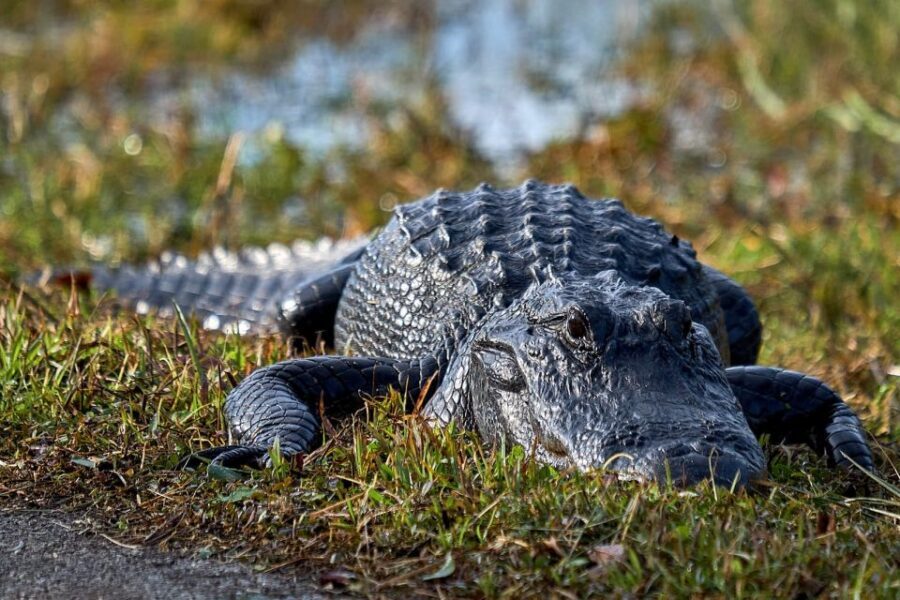
- No alligator shows and no cage-style wildlife viewing, with emphasis on watching animals in habitat
- Cypress dome walking in Big Cypress, where you’re looking for rare orchids and bromeliads as well as animals
- Two park stamp stops if you’re collecting National Park stamps, plus visits to the Everglades and Big Cypress visitor areas
- Small-group feel (up to 14), which helps you hear spotting tips and makes it easier to track what the guide points out
The 10,000 Islands boat trip: why this feels more real
Most wildlife tours toss you onto a boat and rush the best spots. This one leans the other way. You get an extended run out into the remote 10,000 Islands area, and the whole experience is framed as habitat watching, not a photo sprint.
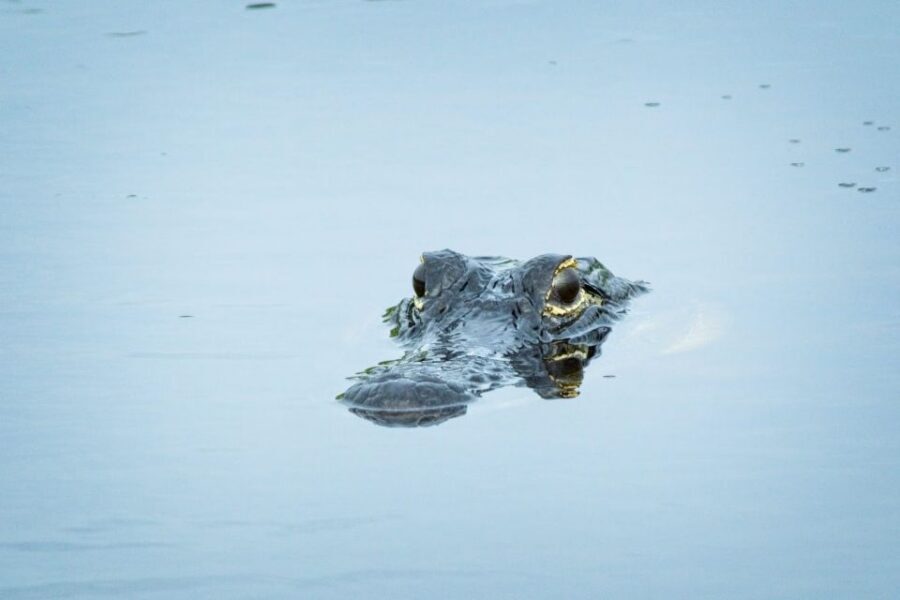
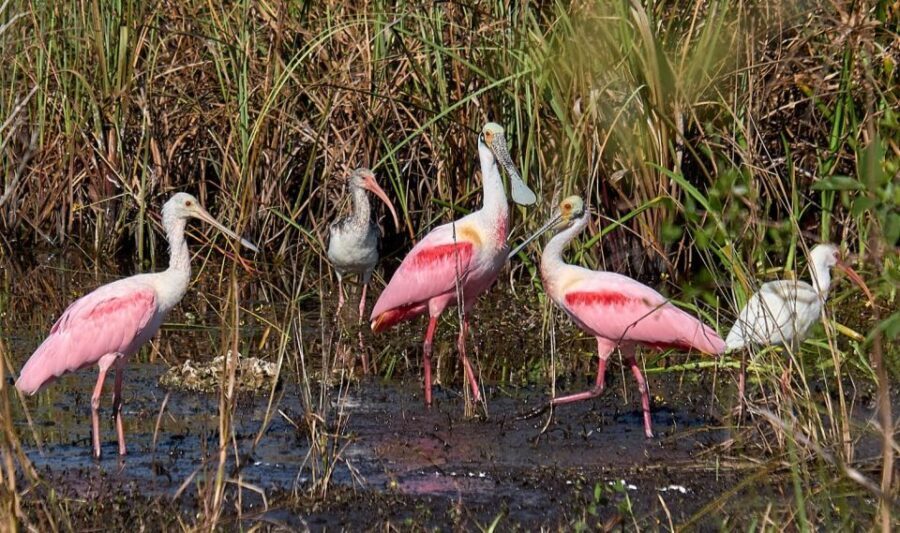
The best part is the spirit of it: watching dolphins, manatees, sea turtles, sawfish, and sharks (all possible) in open water where they actually live. You also get the bird side of the ecosystem, including roseate spoonbills, brown and white pelicans, and other seabirds and shore birds. It’s a reminder that Everglades wildlife is not a single animal show. It’s a system.
On days when sightings line up, it can feel like the guide is reading the water in real time. One tip here: spend less time staring at the horizon like it’s a movie and more time watching how the guide describes movement patterns. That’s how you catch what’s easy to miss when you’re scanning.
Park drive and pickup: easy logistics, then you’re off
This trip starts with a pickup from Marco Island or Naples, using an air-conditioned van. After that, you’ll get a narrated scenic drive out toward Everglades National Park, which helps you make sense of what you’re about to see before you even reach the water.
The group is limited to 14 participants, and you’ll have a live English-speaking guide with you the whole way. In real terms, that size is big enough for variety but small enough that you’re not fighting for attention when the guide spots something important.
There’s also a scooter ride included (45 minutes) during the Everglades National Park guided portion. I like that this breaks up the day. You still get the park experience, but you’re not just pounding the trail for the entire time.
80 minutes of marine wildlife: dolphins, manatees, and more
The highlight for many people is the boat cruise into the 10,000 Islands, listed at about 80 minutes. The timing is long enough to let the guide reposition, slow down, and recheck areas instead of hopping forward every few minutes.
You’re watching for a mix of marine life and birds. The tour specifically calls out the possibility of pods of dolphins, manatees, sea turtles, sawfish, and sharks. It’s also a birdwatcher’s day: roseate spoonbills and both brown and white pelicans are part of what you can hope to spot, along with other seabirds and shore birds.
Here’s the practical way to think about it. You’re not getting a guarantee of animals. You’re getting a better shot because the boat time is substantial and the guide’s job is to find the conditions where wildlife is likely to show up. If you go with curiosity instead of expectations of a checklist, the day plays better.
Also, this tour includes snacks and drinks throughout the outing. That means you don’t have to choose between hydration and paying attention during the busiest spotting windows.
Stepping off on a remote beach and reading the ecosystem
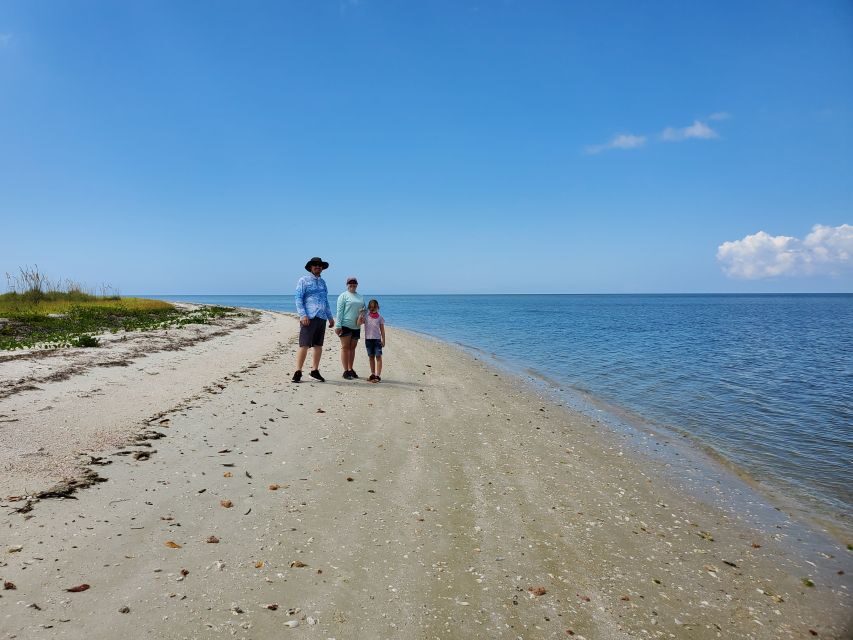
After the boat portion, you step off and stroll a remote beach area. This is more than a break stretch. It’s an opportunity to see how the wildlife story connects across land and water.
Even though the tour notes that the ecosystem is pristine, the value for you is simple: you’ll get a little time to slow down and notice the details that you can’t see from a moving boat. You’re not just looking for animals. You’re learning how the area works—where the water meets the shore, how birds move along the edges, and why this kind of place stays so important for conservation.
This is also where the guiding style matters. Since you’re with a biologist-led nature walk later, the early beach segment sets the tone: you’ll understand the habitat context, not just collect sightings.
Big Cypress walk through a cypress dome: orchids and alligators
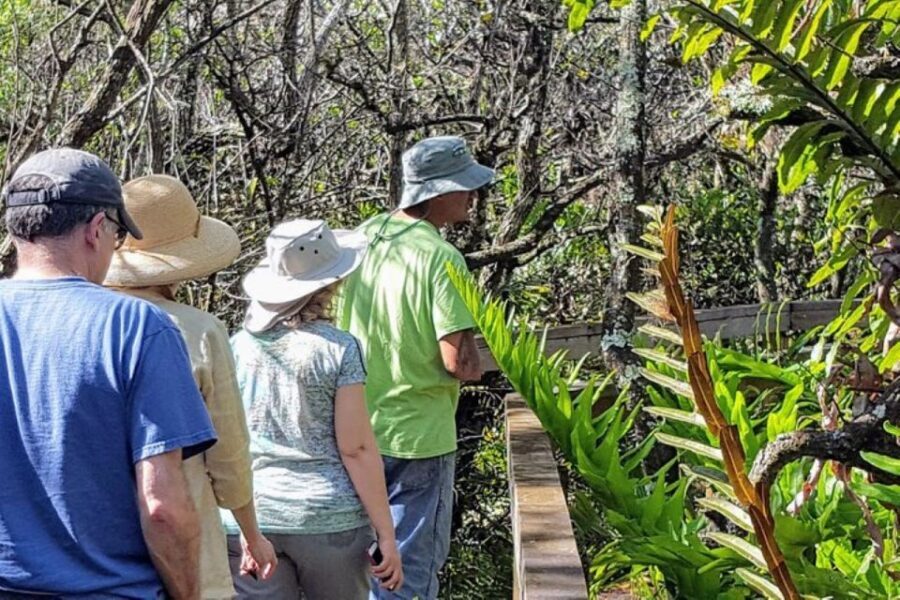
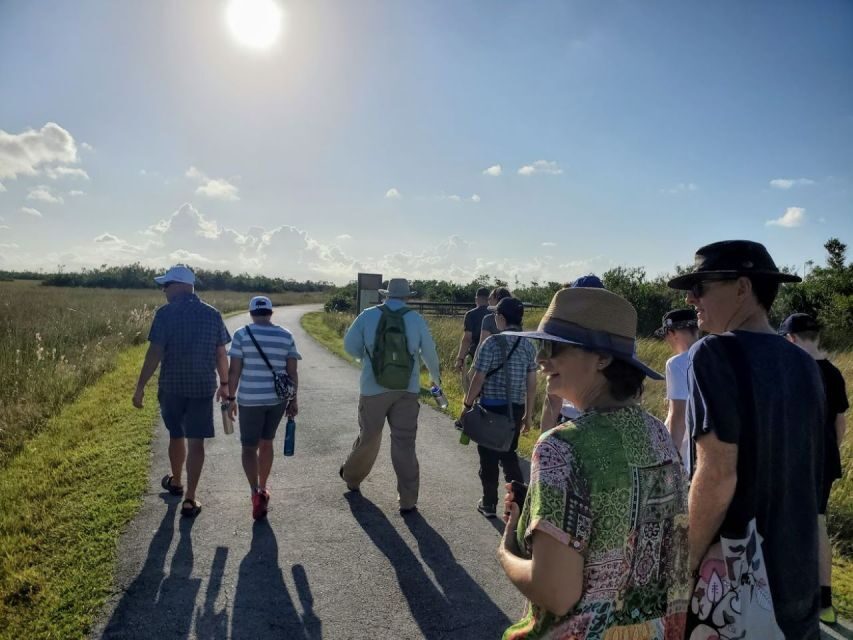
The land portion shifts you from marine wildlife to Big Cypress National Preserve and a beautiful walk toward a cypress dome. The walk is about 1.5 hours, and it’s guided with a biologist.
This part is especially strong if you like botany and ecology, not just charismatic animals. You may spot rare and endangered orchids and bromeliads. Yes, plants—actual plants—are part of the show here.
Then you add the animal side of the dome. The tour describes the possibility of alligators, snakes, turtles, and wading birds. That combo is what makes a cypress dome feel special: it’s not only a shelter, it’s a living micro-world where different species use the same space in different ways.
One very important point: the tour explicitly says it does not take you to alligator shows. That matters if you care about how wildlife is presented. Instead of staged viewing, you’re watching in habitat, with the guide helping you understand behavior and surroundings.
Chokoloskee Island and the historic trading post pause
Between park areas, you’ll stop at Chokoloskee Island for a self-guided visit of about 30 minutes. It’s a useful reset. You get time away from the strict timeline of guided segments, so you can grab a quick snack, stretch, and take in local island atmosphere at an easy pace.
The day also includes a visit to a historic trading post as part of the transition back toward Big Cypress. That stop adds some texture beyond the wildlife focus. You’re reminded that these places have human stories layered on top of them, even when your main goal is nature.
These pauses also help with pacing. Wildlife days can run hot mentally—constant scanning, constant listening. A short independent break makes it easier to enjoy the next guided walk.
National park value: fees included and park stamps
If you’re doing the National Park stamp thing, this tour is built to help. The plan includes visits to two visitor centers—Everglades and Big Cypress—and you can collect two stamps along the way.
On the money side, one thing I like is that Everglades National Park fees are included, with no worry about fee increases for non-US visitors. That’s a small detail, but it reduces the annoyance factor when you’re on a tight trip budget and don’t want surprise charges at the gate.
You’re also not paying separately for the core experiences: round-trip transportation via an air-conditioned van, the Everglades park entry ticket, the boat trip, and a nature walk with a biologist guide are all included. It’s a more straightforward package than tours that nickel-and-dime the key parts.
Price check: what $149 buys you in the real world
At $149 per person for a 6-hour outing, the question isn’t just cost. It’s where that money goes.
In this case, you’re paying for:
- Round-trip transportation from Naples or Marco Island
- A longer boat time into the remote 10,000 Islands area
- A guided wildlife-and-habitat experience, including a biologist-led walk
- Snacks and drinks through the day
- Everglades National Park fees and boat/entry components
For me, the value comes from two things. First, the emphasis on real habitat watching instead of cage-style viewing. Second, the time balance: you get meaningful water time and meaningful land time, not just one quick taste of each.
If your goal is wildlife watching outdoors with expert guidance and you want the day to stay mostly in protected park zones, this pricing starts to make sense fast. If your goal is only a quick photo stop, it’s more than you need for a half-day.
Who this tour is best for (and who should think twice)
This is a strong fit if you want wildlife in context. You’ll care more when the guide explains how animals use the environment, from marine life at the waterline to plant life in the cypress dome.
You’ll also likely enjoy it if you like a mix of scenery types in one day: boat + remote beach, then Big Cypress walking. That variety is part of the payoff.
Think twice if you want a slow, minimal-walking day. There’s walking, plus a scooter ride, and the overall schedule is tight enough that you should plan for a full day mentally even if it’s only 6 hours.
Also, keep expectations honest: the tour lists many species that are possible, but wildlife watching is never a guaranteed checklist. The better you are at being flexible, the more fun you’ll have when sightings come and go.
What to bring and how to enjoy the day more
The tour encourages you to bring a reusable bottle, because there’s plenty of fresh, cold water available during the adventure to refill. I’m a fan of this setup because it keeps you hydrated without hunting for drinks at each stop.
Wear shoes you’re comfortable walking in. You’ll do a remote beach stroll and a longer nature walk through Big Cypress, so your footwear matters more than you might think when the day is active.
Finally, go in ready to look at habitat details. That’s where this tour is strongest: not just spotting animals, but noticing how plants, birds, and water all connect.
Should you book the 10,000 Islands Boat Trip and Everglades Walk?
If you want a wildlife day that feels grounded in protected land and sea, I’d book it. The biggest selling point is the format: long boat time in the 10,000 Islands, a cypress dome walk with a biologist focus, and no alligator show detours.
It’s also a smart pick if you care about value and hate surprise costs, since core park fees and the key experiences are included, plus you get the chance to collect stamps at two visitor centers.
If you’re the type who gets worn out by walking and constant scanning, consider whether you’d rather do a slower, smaller segment of Everglades experiences. But if you can handle an active day, this is one of the better ways to see how Florida’s wildlife actually lives.
FAQ
How long is the tour?
The tour duration is 6 hours.
Where can I be picked up and dropped off?
Pickup and drop-off options are in Naples or Marco Island.
What’s the group size?
The group is small, limited to 14 participants.
Is the tour wheelchair accessible?
Yes, the tour is listed as wheelchair accessible.
What’s included in the price?
Included are round-trip transportation by air-conditioned van, Everglades National Park fees, the Everglades National Park boat trip, a nature walk with a biologist guide, and snacks and drinks. Gratuity for guides is not included.
What wildlife might I see on the boat ride?
The boat trip may include sightings of dolphins, manatees, sea turtles, sawfish, and sharks, as well as roseate spoonbills, brown and white pelicans, and other seabirds and shore birds.
What will I do in Big Cypress?
You’ll take a walk with a biologist guide in Big Cypress National Preserve, including a stroll through a cypress dome. The tour notes possible sightings of rare orchids and bromeliads, along with alligators, snakes, turtles, and wading birds.
]]>This 2.5-hour Little Havana walk strings together fashion, food, and real neighborhood landmarks in a way that feels grounded, not staged. I like how the stops move fast enough to keep your energy up, but slow enough for you to actually learn what matters—like why a guayabera is more than a shirt, and why a cigar factory is cultural craft, not a tourist prop.
I especially love the Cuban food part. You get coffee or tea, Cuban pastries, and soda/pop guarapo, then you cap it with a churro stop that lets you choose toppings and fillings. One consideration: the day relies on good weather, and several parts are outdoors or involve standing in small spaces.
If you’re lucky with your guide, you may get someone like Danny, who’s been praised as fun, friendly, and a strong fit for a group of about nine. And with a max group size of 30, you’re unlikely to feel lost in a crowd.
Key highlights
- D’Asís Guayaberas: Learn how pleats, pockets, linen/cotton, and embroidery tie to Cuban identity
- Little Havana Cigar Factory: Watch torcedores roll by hand and understand filler, binder, and wrapper
- Domino Park at Maximo Gomez: See live matches where politics and community stories mix with play
- Bay of Pigs Monument: A reflective stop for Brigade 2506 and the names of those who fell
- Party Cake Bakery + cafecito: Pastries you can taste, plus the neighborhood bakery vibe
- Ball & Chain + Calle Ocho Walk of Fame: Music venue history and sidewalk stars from Celia Cruz to Gloria Estefan
Why This 2.5-Hour Route Feels Just Right

Little Havana can feel like sensory overload—music, color, people, and food all at once. This tour keeps a smart pace: short stops where you get a clear takeaway, then you walk a little more to connect the dots. It’s built for the reality of travel time, so you still leave with a sense of place instead of a pile of random photos.
I like that it pairs craft and commemoration with snacks. A guayabera shop explains style and identity. A cigar factory explains process and patience. Domino Park explains how community holds together through years of change. Then you hit Bay of Pigs for the emotional weight. That mix is what makes the evening-long feeling of Little Havana fit into a tidy 2 hours 30 minutes.
Start at the Little Havana Visitor Center (and Set Expectations)
You meet at the Little Havana Visitor Center, 1600 SW 8th St, Miami, FL 33135, and you end back at the meeting point. That matters more than it sounds. You don’t need to figure out mid-tour logistics or hunt down your group after a photo stop.
Before you go, plan for a walking day with some time standing. Comfortable shoes help because you’ll be moving between neighborhood stops and spending time at parks and storefronts. Also, this tour is offered in English, and it’s designed for most travelers, with service animals allowed.
One more practical note: average booking runs about 35 days in advance. If you want a specific departure date, don’t treat this like a last-minute casual plan.
D’Asís Guayaberas: More Than a Cuban Shirt
Your first stop is D’Asís Guayaberas, a family-run boutique known for the traditional Cuban guayabera—those shirts with fine pleats, pockets, and classic styling. It’s an elegant introduction to the neighborhood because it frames what you’re seeing later. You’re not just collecting sights; you’re learning symbols.
Here’s what I’d pay attention to during your visit:
- The origin story and why the guayabera became a symbol of Latin pride and heritage
- The materials and finishing details, often linen or cotton with embroidery
- The range of styles and colors, from traditional whites to newer interpretations
You’ll also have the option to try on pieces. That’s not just a retail perk. When you feel the fit and see how the details land on fabric, the whole idea of craftsmanship becomes real fast. If you want a souvenir that doesn’t look like it came from a generic rack, this is the kind of stop where you can buy something with meaning.
Little Havana Cigar Factory: Hand-Rolling in Real Time
Next comes the cigar factory experience. The air changes the second you step in—tobacco scent, hands at work, and the steady rhythm of torcedores (cigar rollers). This stop is short, but it teaches you enough to make what you see later make sense.
During the demonstration, focus on the steps:
- How tobacco leaves get selected
- How cigars get rolled, bound, and finished by hand
- Why filler, binder, and wrapper leaves are different
- How cigars are aged and stored
If you’re used to thinking cigars are a single product, this is where the logic kicks in. You start to see cigars as construction: layered materials, controlled process, and time. It’s also where you can pick up hand-rolled cigars if you want something practical to bring home.
A small reality check: this stop is time-limited, so don’t expect a full factory tour. Instead, think of it as an educational show-and-tell—hands-on understanding in about 15 minutes.
Domino Park: Where Maximo Gomez Keeps the Conversation Going
Domino Park is the heart of Little Havana, and it’s not just a pretty place to pause. It’s a community hub where people play dominos, trade stories, and debate politics. You’ll see active games, sometimes serious, sometimes funny, and the talk around the table is part of the show.
You’ll learn about:
- The park’s history and role in Cuban exile culture
- How it became a familiar gathering place over generations
- The namesake, Maximo Gomez, a Cuban independence hero
This stop can be a highlight because it feels alive in a way that museums can’t replicate. Murals, monuments, and constant conversation turn the area into a living timeline. It’s also a reminder that for many people, tradition isn’t something you schedule—it’s something you do.
The only potential drawback is simple: you might have to stand to watch games and listen. If you need constant seating, you may want to plan short pauses and keep your expectations flexible.
Bay of Pigs Monument: A Powerful Pause With Real Names
After the lively park energy, you go solemn. The Bay of Pigs Monument honors Cuban exiles who fought in the 1961 Bay of Pigs invasion, an attempt to liberate Cuba from Fidel Castro’s regime. This is the most reflective stop on the walk, and it deserves your full attention.
You’ll hear the story of Brigade 2506 and why the operation still matters emotionally and politically. The monument includes the names of the fallen engraved on it. That detail turns the history into people, not just dates.
This stop is about remembrance. In the middle of food and music, it gives you context for why Little Havana can feel so intense. If you’re quick to skip memorials when you travel, don’t do it here. Even a short stop gives you a much sharper read on the rest of the neighborhood.
Party Cake Bakery: Pastries, Cafecito, and the Daily Social Loop
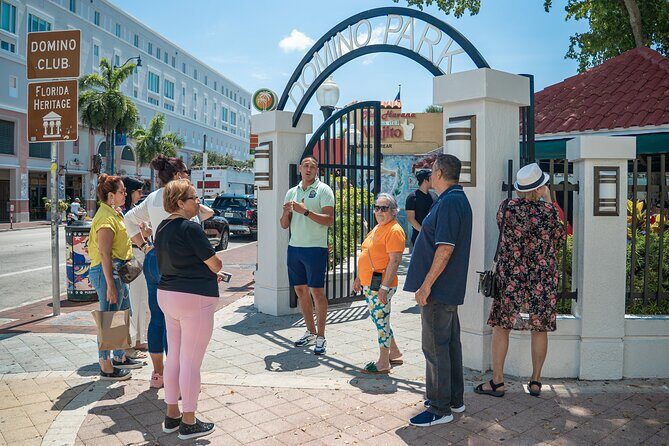
Then you switch back to the sweet side. Party Cake Bakery is a long-running local institution where you can taste traditional Cuban pastries and enjoy strong cafecito.
You’ll have a chance to sample items like:
- Pastelitos de guayaba
- Croquetas
- Coffee or tea (as part of the tour inclusions)
The value here goes beyond flavor. Bakeries like this are social hubs, and you can feel it in the routine: locals popping in for a quick bite and conversation. If you only visit Little Havana’s major sights, you miss this daily rhythm.
One heads-up: this is a tasting stop, not a sit-down meal. If you’re hungry, treat the pastries as part of the plan, not as your whole dinner. The churro stop later helps balance things out.
Churromanía: A Tasty Break With Pick-Your-Topping Fun
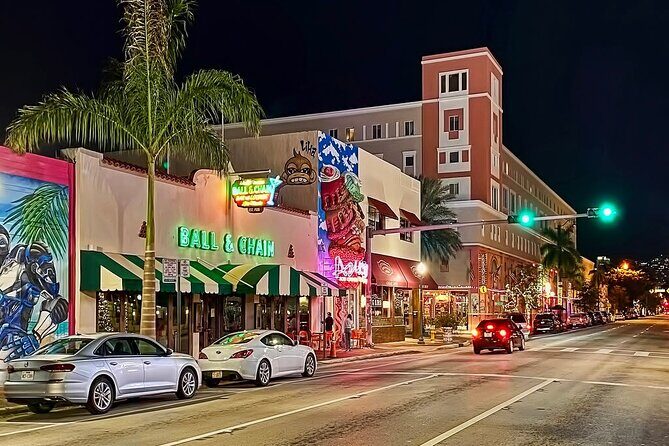
Your next sweet detour is Churromanía, where churros come crisp and golden on the outside with a soft interior. The best part for me is that you get a break from walking and a chance to choose what you want.
You’ll be able to enjoy freshly made churros with fillings and toppings such as:
- Dulce de leche
- Nutella
- Chocolate
This stop is small but it works as a reset. After learning about craft and history, you’re letting yourself enjoy something simple and fast—street-food energy in a controlled, tour-friendly format. You also get to sit with the group for a moment, which helps you connect the earlier stops with the later ones.
Ball & Chain: From Jazz-Era Names to Cuban Music Nights
After the food stops, you head to Ball & Chain, one of Little Havana’s iconic venues. This is where history and nightlife mix under one roof. The venue opened in the 1930s and once hosted jazz greats like Billie Holiday, Chet Baker, and Count Basie.
Today, it keeps moving with live Cuban rhythms and salsa. You’ll get a chance to soak up the historic atmosphere and hear music either inside or sometimes in the outdoor patio area, depending on what’s happening that day.
You’ll also learn the story of how Ball & Chain went from jazz-era glory days to a revived cultural hotspot. Even if you don’t stay for a full night, this stop helps you understand why Calle Ocho isn’t only about daytime attractions.
Drinks are another practical point: you may have the option to sip a classic Cuban cocktail like a mojito or daiquiri, but alcoholic beverages aren’t included unless your specific tour setup says so. In most cases, plan on paying for any alcohol directly.
Calle Ocho Walk of Fame: Celia Cruz and the Stars Under Your Feet
To finish, you stroll along Calle Ocho and pass the Walk of Fame section—Little Havana’s tribute to major Latin music, film, and culture figures. It’s inspired by Hollywood’s version, but the feel is more personal because it’s rooted in Cuban-American pride right in the street.
You’ll see stars embedded in the sidewalk honoring people such as:
- Celia Cruz
- Gloria Estefan
- Julio Iglesias
You’ll also hear brief stories about some inductees and their connection to the culture of Calle Ocho. This is the stop where photos come easy, but the learning angle matters too. It turns the street into a map of influence instead of just a place to walk.
Price and Value: What $69.99 Buys You Here
$69.99 for about 2 hours 30 minutes is not the cheapest option, but it’s built for value in a few clear ways.
First, you’re getting more than walking. Several stops have built-in demonstrations and storytelling: guayabera craft, live cigar rolling, and community-focused local landmarks. Those moments take time and require specialists, so the price covers more than someone pointing at buildings.
Second, you get tangible inclusions: coffee or tea, Cuban pastries, and soda/pop guarapo. Then there’s the churro stop with a sweet break. If you’ve ever tried to build this same day on your own, it’s easy to spend more just on snacks and entrance fees without getting the context.
Third, admission tickets for each listed stop are shown as free, which helps you avoid surprise add-ons during the walk. The main things not included are gratuities and alcoholic drinks like mojitos.
So, if you want a guided day that mixes craft, food, and meaning, this price often feels fair.
Who Should Book (and Who Should Skip)
This tour fits you if you want:
- A short Little Havana overview that still teaches you something real
- Food tastings without doing planning math for each stop
- A mix of lively neighborhood moments and reflective history
You might look elsewhere if:
- You hate walking or standing for short stretches
- You want a long sit-down meal and unhurried time in just a couple places
- You prefer music and nightlife only, since history stops take part of the time
In my view, it’s also a strong choice for first-time visitors because it gives you a framework. Once you understand the meaning behind the guayabera, the cigar process, Domino Park, and the Bay of Pigs memorial, you can explore the rest of Calle Ocho with better instincts.
Should You Book This Little Havana Walking Tour?
If you like your travel days to have a backbone—food, yes, but also context—this is a smart book. The best part is how the itinerary connects symbols (shirts), craft (cigars), community (dominos), memory (Bay of Pigs), and street culture (Calle Ocho stars) without dragging out the day.
Book it if:
- You can handle a few short stops and some outdoor time
- You want guided tastings like Cuban pastries and churros, plus guarapo
- You want Ball & Chain as a culture stop, not just another bar
Don’t book it if you’re traveling with zero flexibility for weather or you only want one specific vibe. Otherwise, pack comfortable shoes, show up ready to eat, and let Little Havana do what it does best: talk with your senses.
FAQ
How much does the Little Havana Walking Tour cost?
The price is $69.99 per person.
How long is the tour?
It runs about 2 hours 30 minutes.
What language is the tour offered in?
The tour is offered in English.
What is included in the tour price?
You’ll get coffee and/or tea, Cuban pastries, and soda/pop guarapo.
Are alcoholic drinks included?
No. Mojitos and other alcoholic beverages are not included.
Where do I meet, and where does the tour end?
You meet at the Little Havana Visitor Center, 1600 SW 8th St, Miami, FL 33135. The tour ends back at the meeting point.
How large is the group?
This tour has a maximum of 30 travelers.
What happens if the weather is bad or I need to cancel?
The experience requires good weather. If it’s canceled due to poor weather, you’ll be offered a different date or a full refund. You can cancel for a full refund up to 24 hours in advance.
]]>The main trade-off is also part of the magic: because it’s customized and shaped by your vibe, you should come with questions and a few priorities if you want lots of specific history or named facts. If your expectations are clear, you’ll usually get a much better match to what you’re looking for.
Key moments that make this Miami tour work
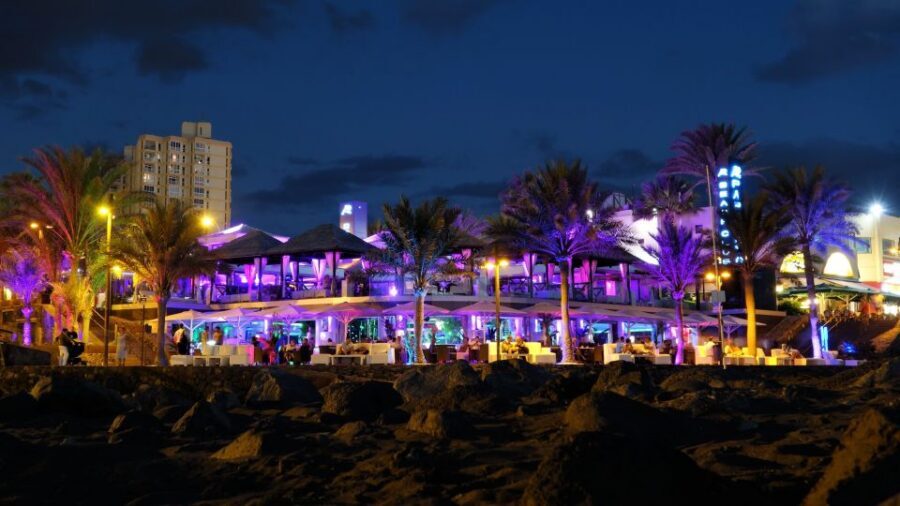
- 100% private and personalized: it’s just you and your local guide, with no group schedule
- Pickup at a place you choose: hotel, landmark, or even a quiet café near the city center
- A flexible flow: you can expect photo stops, scenic viewpoints, and neighborhood walking
- Neighborhood variety based on your interests: street art and culture, courtyard cafés, and local stories
- Smart pacing options: you’ll have the chance to use public transport or a taxi if needed
- Local value beyond the walk: you’ll leave with tips you can actually use immediately
How a 100% private Miami walk actually plays out
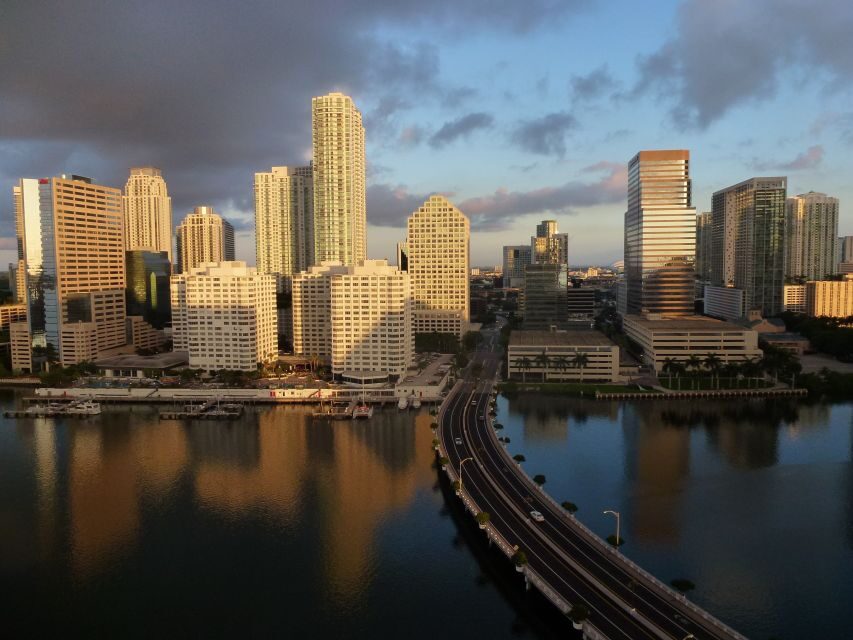
This tour’s best feature is simple: it’s not trying to move you through a checklist. It’s more like catching up with a friend who loves Miami and wants you to notice the small stuff—where people pause for coffee, how a neighborhood feels at street level, and what matters to locals when they’re off-duty.
In a standard group tour, the route wins. Here, your interests win. You can show up with a plan, a half-plan, or no plan at all. The guide adjusts the walk in real time, depending on your questions, your energy, and the kinds of places that catch your eye—photo moments, scenic stretches, and conversation-driven stops.
One more thing I like: the guide isn’t just handing over facts. You’re learning how Miami is lived in. That may show up as stories about expat life, day-to-day challenges, or the reasoning behind where people go for food and community. You come for the scenery and end up getting the social map that makes the city easier to navigate on your own afterward.
Possible drawback: because it’s flexible, the tour won’t automatically “deliver” a certain landmark every time. If you’re chasing a very specific site, tell the guide early so you can decide together how (and whether) to build it in.
Getting picked up on Biscayne Boulevard and beyond
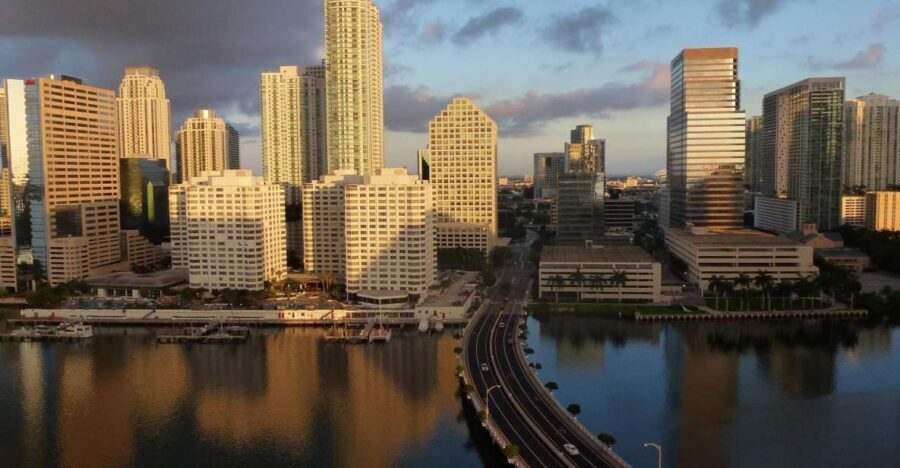
Pickup is part of the convenience. You’re not forced to meet across town at some generic location. The tour meets you at a preferred spot as long as it’s in or near the city center, and there’s also an option tied to 1103 Biscayne Blvd.
Practically, this matters for two reasons:
1) You start the day without wasting time.
2) You can choose the setting that feels easiest—your hotel lobby, an iconic landmark, or a calm café where you can begin with a relaxed hello.
The tour is also wheelchair accessible, so the guide can plan a route that fits your mobility needs, within the walking nature of the experience. If you’re bringing kids, note that children under 3 are free, and kids 3 to 12 get a 50% discount.
And because Miami heat can be a factor, having pickup so close to where you already are can help you control pacing from the first minute.
Your customized route: photo stops, scenic views, and neighborhood stories
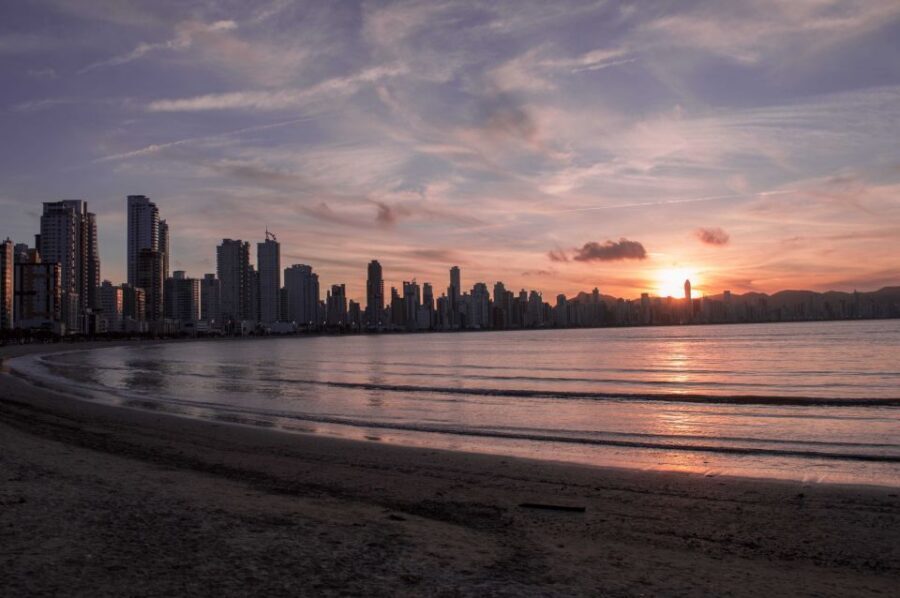
Even though the route is personalized, there’s a typical rhythm to how these private walks unfold. You’ll start with a meet-and-greet, then quickly move into a guided stroll through parts of the city that match your vibe. Along the way, you can expect a mix of:
- Photo stops (places chosen for how they look, not just how famous they are)
- Guided sightseeing as you walk
- Scenic views along the way
- Short stops where your guide can talk to you in plain language, not lecture format
What makes this valuable is that it turns sightseeing into decision-making. After a couple of stops, your guide can read what you care about—architecture, street culture, food neighborhoods, waterfront mood, or just a good sense of direction—and steer the rest of the walk that way.
You might find yourself at a courtyard café locals like, pausing in a quieter pocket instead of pushing through a major tourist drag. Or you might spend more time on street art and culture, with context that helps you understand what you’re looking at. Another path could lean into personal stories that connect neighborhoods to the people who call them home.
If you’re the type who likes to ask questions, this tour fits you. Come with curiosity and you’ll likely leave with a cleaner mental map of Miami: what’s close, what’s worth repeating later, and which areas feel right for your interests.
Little Havana and other areas your guide may shape into the day
Miami isn’t one story—it’s several. This tour’s flexibility is what lets you match the city to your taste.
For example, if Cuban culture and the neighborhood atmosphere of Little Havana are on your radar, your guide can likely build that into the day depending on your preferences. If you’re more into art, street scenes, and creative expression, you may end up spending extra time where it’s visible in the everyday environment, not just behind ropes.
There’s also a practical angle to this neighborhood-shaping. In a city like Miami, the “best” route changes depending on the time of day, your walking comfort, and what you want to photograph. A private guide can adjust on the fly. If a stretch feels too hot or too crowded, you can pivot. If you spot something you want to understand, you can stop and ask.
The key is communication. If you want a focus—food stops, art, viewpoints, or a specific neighborhood tell your guide right away. The tour works best when your interests guide the steering wheel.
Walking smart in Miami: timing, shoes, and when to use transit
This is a walking tour, and Miami comes with real-world conditions. Comfortable shoes are strongly recommended, and it’s smart to dress for changing light and heat.
You’re not locked into endless walking either. During the tour, you’ll have the option of taking public transport or a taxi to get around. That matters if:
- your ideal neighborhood is farther than you expected,
- you’re mixing views with culture but want to avoid fatigue,
- or your day includes photo stops that require repositioning.
If you’re also considering adding an attraction, remember that entrance fees aren’t included, and you may need to cover costs for the local guide as well. The same goes for anything personal you buy: meals, drinks, and optional activity costs fall outside the package.
One more practical note: the tour duration ranges from 2 to 6 hours, depending on your preference and schedule. If you’re here for a short window, go shorter and prioritize the neighborhoods that match your top two interests. If you’re not in a rush, use the time to ask questions and let the guide guide you away from the obvious.
What you get for $55: value that goes beyond sightseeing
At $55 per person, this doesn’t try to compete with “free” walking. It competes with what you gain from a good local: time saved, better choices, and a city read you can use right away.
Here’s what’s included:
- a local guide
- a customized private walking tour
- pickup included from your chosen start point (near the city center)
What’s not included:
- entrance fees
- meals and drinks
- transportation costs (though you can choose taxi or public transport during the walk)
- personal expenses and optional activity costs
So where’s the value? In how the guide reduces guesswork. A tour like this can help you avoid spending your limited time chasing the wrong thing. Instead of wandering with random luck, you get structured guidance that still feels personal. You also get tips that shape your next decisions—where to eat, what streets to revisit, and how to plan your remaining hours.
Private also changes the quality of the experience. No waiting for a group. No worrying that you’ll fall behind. You can ask one question and then go deeper if it matters to you, or change direction if your mood shifts.
Price-wise, the most efficient way to use this is simple: book it when you want orientation and local guidance most. If it’s your first day in Miami, you’re likely to benefit the most. If you already know the “big hits,” you can still use the customization to steer toward different neighborhoods and off-the-main-path spots.
When this Miami tour fits best (and when to adjust)
I think this tour fits best when you’re aiming for a Miami that feels human, not just photographed. It’s especially good if:
- it’s your first trip and you want orientation fast,
- you like conversation and you’ll bring questions,
- you prefer a route shaped around your interests rather than a preset program,
- you want practical tips you can use after the walk.
It’s also a strong pick if you’ve been to Miami before and you don’t want to repeat the same list of stops. A private guide can shift the day toward new angles, like more art-focused streets, different viewpoints, or neighborhood vibes that you might not find on your own.
Where you might want to adjust your plan: if you’re chasing a very specific agenda with exact historical depth. Because the day is shaped around your vibe and conversation, you should communicate what you want—how deep you want context to go, and which topics matter to you. If you share that clearly, the guide can tailor the balance.
There’s also a general consideration: guide quality can vary anytime you book a private experience. The best protection is to be direct. Tell your guide your interests early, ask what they recommend for your time frame, and don’t be shy about redirecting.
Should you book this Miami private walking tour?
Yes—if you want a Miami that makes sense fast. This tour’s biggest strength is the combination of privacy, customization, and local guidance that helps you navigate beyond the obvious. If you like asking questions and turning sightseeing into smarter plans, you’ll likely feel like the city is opening up by the end of the walk.
I’d skip (or at least adjust expectations) if you want a rigid, landmark-by-landmark program with guaranteed depth on fixed historical talking points. This experience works best when you come ready to steer.
My practical suggestion before you book: decide your top two interests for the day and bring a short list of questions. Want street culture? Neighborhood life? Viewpoints? Food areas? Say it up front. With that, a tour like this becomes less of a schedule and more of a tailored way to see Miami through someone who actually lives it.
FAQ
How much does the Miami private walking tour cost?
It costs $55 per person.
How long is the tour?
The duration is 2 to 6 hours.
Is this tour private or are there groups?
It’s a private group experience with no groups.
Where will the guide meet me?
The guide meets you at your preferred location as long as it’s in or near the city center. One pickup option listed is 1103 Biscayne Blvd.
Is the tour route fixed?
No. It’s 100% private and personalized, with no fixed route.
What language is the tour guide?
The tour is guided in English.
Are entrance fees included?
No. Entrance fees are not included.
Can I add an attraction?
You can include a visit to an attraction, but you’ll need to cover the cost of entrance for the local guide.
Do I need transportation included?
Transportation isn’t included, but you’ll have the option of using public transport or a taxi during the walking tour. If you want a private car included, you’ll need to contact the operator.
Can I get a refund if I cancel?
Yes. Free cancellation is available up to 24 hours in advance for a full refund.
]]>What makes it especially fun is the mix of design talk and Miami mythology. You’ll hear about early pioneers, unlikely heroes, and how the mob and Hollywood helped shape the vibe of South Beach—and you’ll connect those stories to the look of the Art Deco District along Ocean Drive. In the feedback I read, guides like Janinha, Julian, and James consistently get praised for bringing real passion to the architecture and for making the 2-hour stretch fly by.
If you choose the Drink Upgrade, the tour finishes with an Art Deco Cocktail Tour stop at the Kent Hotel, where you can sip a Sex on Miami Beach cocktail in a true L. Murray Dixon–era setting. By the end, you should feel confident identifying key Art Deco cues, even if you started out as a casual passerby.
Key things you’ll notice on this Art Deco and Cocktail Tour
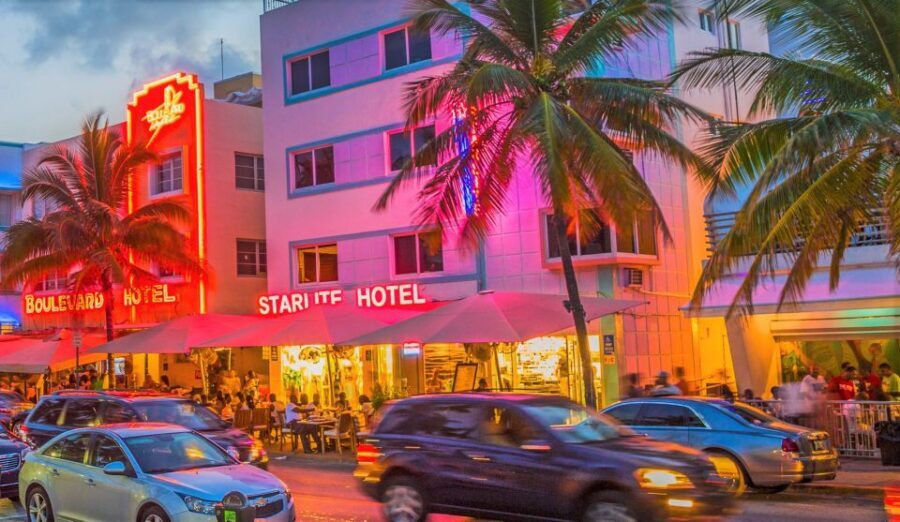
- VIP access to select buildings for a look inside that’s hard to replicate on your own
- Ocean Drive storytelling that ties the street view to the style on the buildings
- Essex House Hotel as a major architectural stop, not just a photo-op
- Kent Hotel and L. Murray Dixon for the cocktail upgrade, with the Sex on Miami Beach as the signature pour
- Cocktails spaced during the walk, not dumped all at once
VIP Art Deco building access that beats the sidewalk-only version
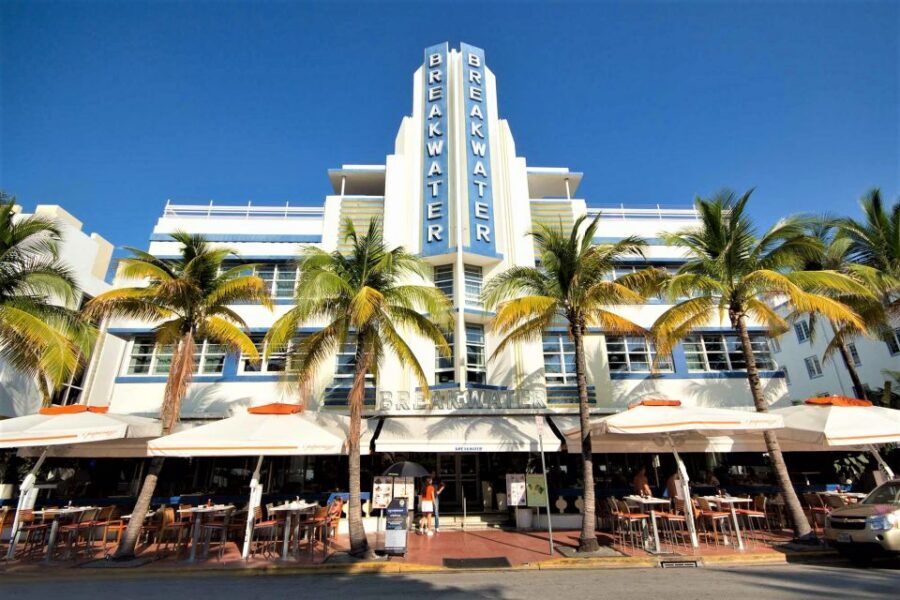
This is a walking tour with a goal: get you from seeing Art Deco to understanding it. The big difference is the VIP small-group approach and the promise of exclusive access to select buildings. That matters because Art Deco is often about more than facades. The way doors, entryways, and interior details hold up to the light is where the story gets real.
You’ll spend about 2 hours (listed as 160 minutes), moving through Miami Beach’s South Beach area with a local guide leading you in and out of visually strong Art Deco buildings. Think of it as a guided pattern-recognition exercise, but with personality. The guide doesn’t just say what you’re looking at—they connect it to the cultural forces behind the style.
And yes, the cocktail option is part of the fun. It’s not a separate night out that derails the walk. It’s built into the experience so you can keep learning while you’re enjoying a drink at the right moment.
One practical note: because this is outdoors walking, rain or shine is part of the deal. The tour’s format assumes you’ll be okay moving along the block even if the weather changes your plans.
The stories behind the style: pioneers, mob, Hollywood, and Miami’s momentum
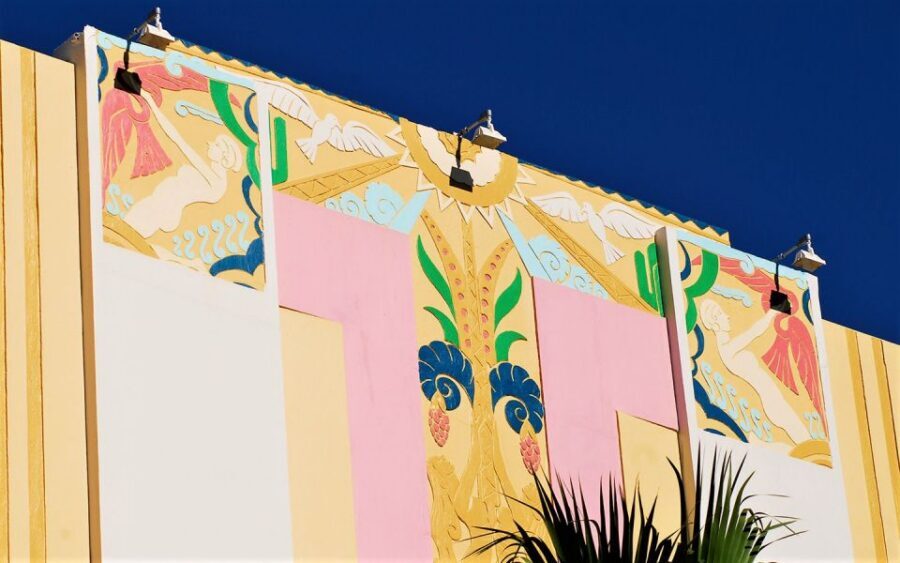
The tour’s teaching style is built on storytelling. You start with history about early pioneers and unlikely heroes—then the narrative shifts into the influence of the mob and Hollywood. That’s not random gossip. It’s a way to explain why Art Deco landed where it did in the United States and why South Beach became such a magnet for glamour and reinvention.
You’ll also hear about the origins and elements of Art Deco architecture from Europe to the US and then into South Beach. Even if you’re not an architecture nerd, this part helps you “place” the style in your head. Instead of memorizing dates, you’ll learn how the look traveled and evolved, and why the same design language can feel different depending on the city and the era.
This is where the guide quality shows. In the feedback, multiple guides—Janinha, Julian, and James—get praised for explaining with enthusiasm and for handling questions with ease. That’s a good sign for you because Art Deco can be hard to describe in a sentence when you’re just learning it. A strong guide makes it click.
Essex House Hotel: why that stop matters for first-time Art Deco fans
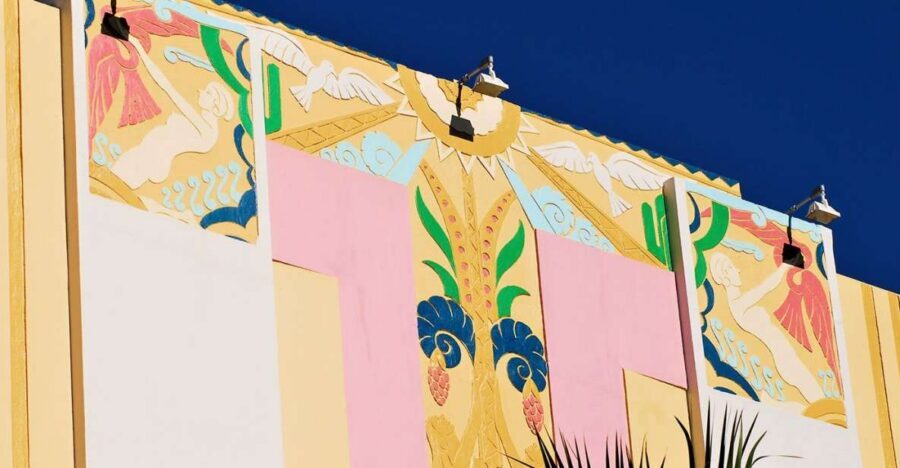
Essex House Hotel is one of the standout highlights on this tour, and it’s easy to see why. It’s the kind of address that forces you to slow down, because Art Deco becomes more than background when you’re standing close enough to notice the design choices.
On this walk, you’re not just viewing the building from across the street. The tour is set up to lead you in and out of select Art Deco buildings, which gives you the chance to see how the structure reads at different angles and in different lighting. That’s useful for beginners. When you can compare exterior impressions to what you notice up close, you start building a mental checklist for what counts as Art Deco.
If you’re the kind of traveler who enjoys “design with a reason,” this stop will land. It’s not only about the pretty look—it’s about understanding how the building contributes to the wider Art Deco District feel.
Potential drawback: since it’s a walking tour with indoor/outdoor moments, you may spend a little time waiting for movement and access. That’s normal for a small-group VIP format, but it’s worth knowing if you’re the type who gets impatient.
Learning Ocean Drive step-by-step instead of photo-by-photo
Ocean Drive is the star of South Beach, but it’s also easy to treat like a blur of neon and palm trees. This tour helps you look past the obvious and learn how the street’s architecture communicates style.
The highlight is that you’ll learn about Ocean Drive as part of the design story. That matters because Art Deco isn’t only on the buildings—it’s in the way the streetscape holds the buildings in context. When the guide talks you through what to look for, you start noticing patterns: repeated design rhythms, entrances that signal status, and the overall “era feel” created by the collection of buildings.
Guides on this tour are consistently described as passionate and able to offer close-up details, which is a key advantage for you. If you want to come away able to spot Art Deco without needing the guide every second, those close-up moments do the heavy lifting.
Also, this is a small-group walk. That typically means you’re not constantly pushed along by a big crowd. You’ll be better positioned to ask questions and to get the same stop explained in a way you can remember later.
The cocktail upgrade at Kent Hotel and the Sex on Miami Beach drink
If you buy the Drink Upgrade option, the tour wraps with a visit to the Kent Hotel, described as a charming Art Deco gem crafted by L. Murray Dixon. That’s a big deal for two reasons.
First, L. Murray Dixon is specifically named here, and that helps you anchor the architecture in a real person and a real design era, not just a vague style label. Second, Kent Hotel gives you a “destination” moment at the end, so the tour doesn’t feel like a string of stops that ends in the middle of nowhere.
The drink you can expect with this option is a Sex on Miami Beach cocktail. You’ll get a chance to sit and soak in the atmosphere while your brain processes the design lessons from earlier in the walk. One of the best pieces of feedback I saw was that the cocktails are spaced out enough throughout the tour to stay enjoyable rather than rushed.
Is this option worth it? For many people, yes, because it adds a recognizable local brand moment (Kent Hotel) and a specific cocktail, without turning the tour into a drinking event. It’s more like a themed finish that matches the architecture, not a separate nightlife plan.
How the 2 hours (160 minutes) feels in real life
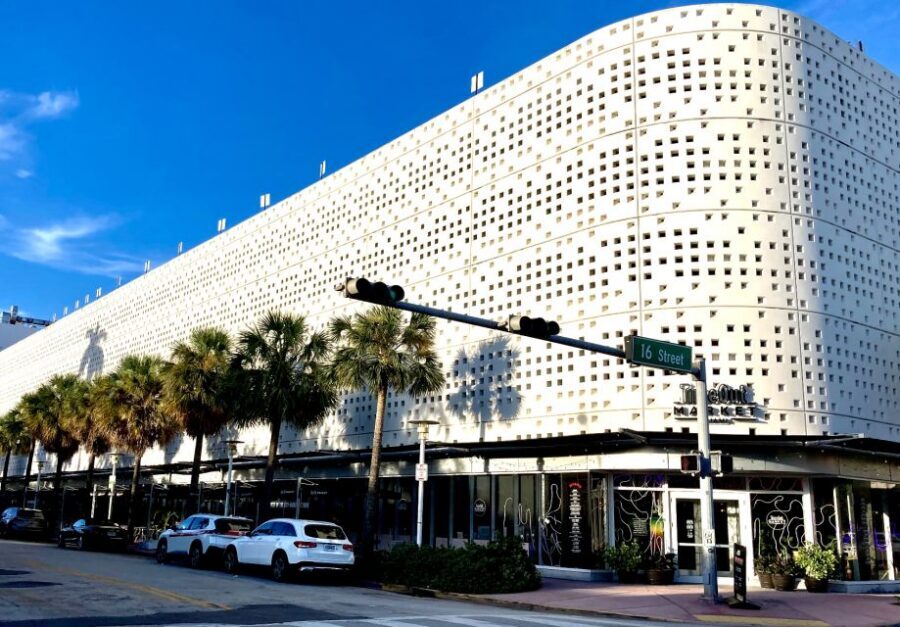
The duration is listed as 2 hours to 160 minutes. In practice, that’s enough time to cover multiple Art Deco stops and still let the guide talk without sprinting you from point to point. You should expect a mix of walking time and moments of explanation as you move from building to building.
Because it’s a small group, the pace is typically more human than big coach-style tours. That helps with two things: comfort (you’re not constantly bumping into strangers) and learning (you can hear the guide and ask questions without shouting).
The big “don’t forget” is that there’s no hotel pickup. So you’ll want to arrive at the meeting point on time and plan how you’ll get there from wherever you’re staying in Miami Beach. Since the meeting point may vary depending on the option booked, double-check the exact location when you confirm.
Who this tour is best for (and who should skip it)
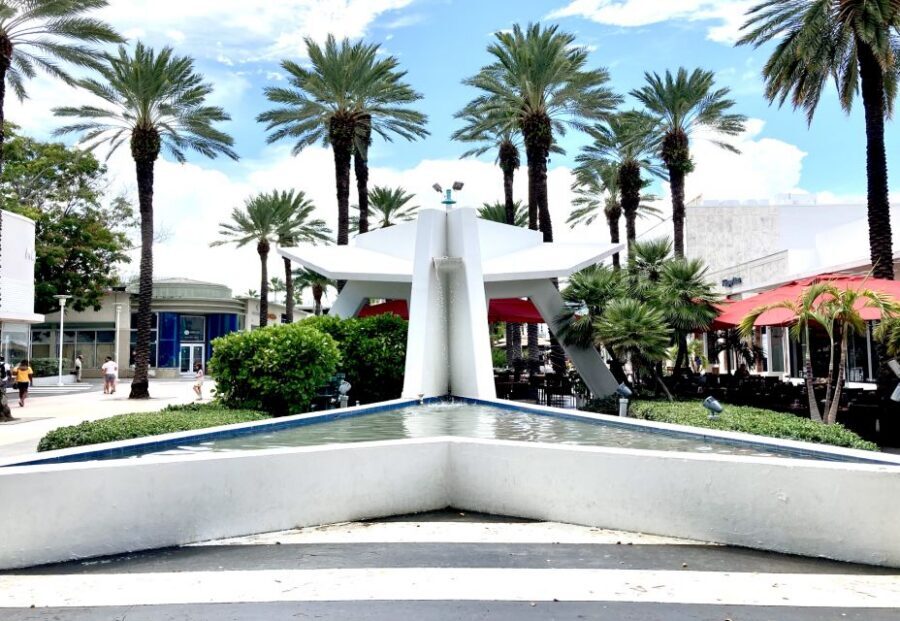
I think this tour is a strong fit if you want South Beach with meaning. It’s especially good for:
- First-timers who want the Art Deco basics fast
- Travelers who enjoy guided history that connects to what they’re seeing
- People who like a small-group format and don’t want to feel like a herd
- Anyone considering adding cocktails but still wants a structured experience
It might be less ideal if you hate walking in the heat or you’re expecting a hands-off self-guided style. Since the tour is rain or shine, you’ll be outdoors more than you might want. Also, if you’re allergic to the idea of architecture-focused storytelling and only want nightlife vibes, this may feel more educational than you expected.
Value check: is $40 a good deal for this Art Deco experience?
At $40 per person for a 2-hour VIP small-group walking tour, the value mostly comes down to three things: access, education quality, and how well the timing works.
Access is the big one. If the tour truly gives entry to select buildings and you’re seeing multiple Art Deco sites like Essex House Hotel and Ocean Drive, you’re getting more than sightseeing from the curb. That’s hard to replicate solo unless you’re doing separate ticketed stops.
Second, the guide experience matters a lot here. Multiple guides—Janinha, James, and Julian—are praised in the feedback for being enthusiastic and for explaining architecture and history with detail. That kind of guide can turn an “I saw pretty buildings” trip into “I understand what I’m looking at” before you even leave South Beach.
Finally, the optional cocktail upgrade adds a structured finish rather than turning your time into a random bar crawl. You get a specific cocktail (Sex on Miami Beach) at Kent Hotel, which helps keep the experience themed and cohesive.
If you’re on a tight budget and you’re not interested in the Kent Hotel portion, you can still enjoy the core tour. But if you like the idea of ending with a drink in an Art Deco setting, the upgrade is often where the overall experience feels most complete.
Should you book this Art Deco tour with cocktails?
I’d book it if you want South Beach that feels curated without feeling stiff. The VIP small-group approach, the chance to step inside select Art Deco buildings, and the way the guide ties together history and design make this a smart use of a limited afternoon.
You should also book if you’re even slightly interested in learning how to recognize Art Deco beyond the obvious. The structure is built for that, and the repeated praise for guides’ passion and close-up details is a good sign that the learning part doesn’t get boring.
Skip it only if you strongly dislike walking in mixed weather, or if you’re only chasing beaches and nightlife with no interest in architecture stories.
FAQ
How long is the Miami Beach Art Deco walking tour?
The tour is listed as 2 hours, or 160 minutes.
What does the tour cost?
The price is $40 per person.
What’s included in the standard walking tour?
It includes the walking tour, a knowledgeable local guide, and drinks if you purchase the Drink Upgrade option.
Where does the cocktail option end?
If you purchased the Drink Upgrade option, the tour wraps with a visit to the Kent Hotel for an Art Deco Cocktail Tour experience, including a Sex on Miami Beach cocktail.
Is the tour wheelchair accessible?
Yes, the tour is wheelchair accessible.
Does the tour run rain or shine?
Yes, it takes place rain or shine.
Is there free cancellation?
Yes, you can cancel up to 24 hours in advance for a full refund.
]]>I like the small-group feel (up to 20 people) and how the tour builds in sweet-and-savory breakfast treats plus bottled water, not just dessert. One thing to weigh: it’s not a nonstop food-only crawl, so if you’re hunting maximum quantity of donuts, you’ll want to go in with flexible expectations.
Key Points You’ll Actually Care About
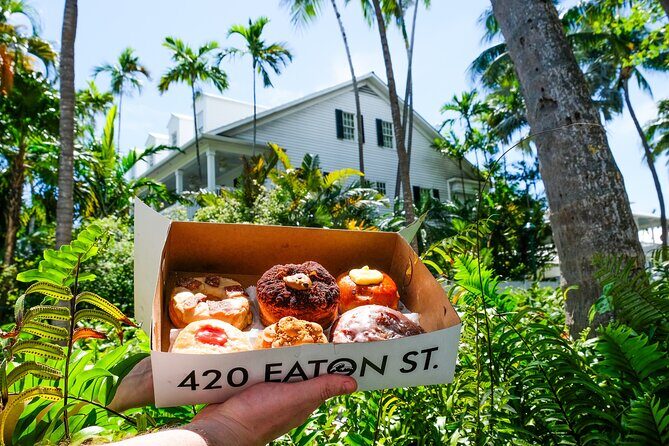
- Up to 20 people, so the walk stays comfortable and questions get answered.
- Breakfast sweet-and-savory treats plus bottled water are included, so you don’t have to guess what to order first.
- Custom House museum stop gives you a real anchor point before you move into Old Town streets.
- A flight-service origin story shows up in the middle of the walk, tied to a stop that’s now a celebrity microbrewery.
- Finish at Rooster Treats for soft serve and mini donuts, with most tours ending there.
- About 2 miles of walking means good shoes matter, especially in hot or breezy weather.
Sweet Route Basics: Where You Start, How Long It Takes, What It Costs
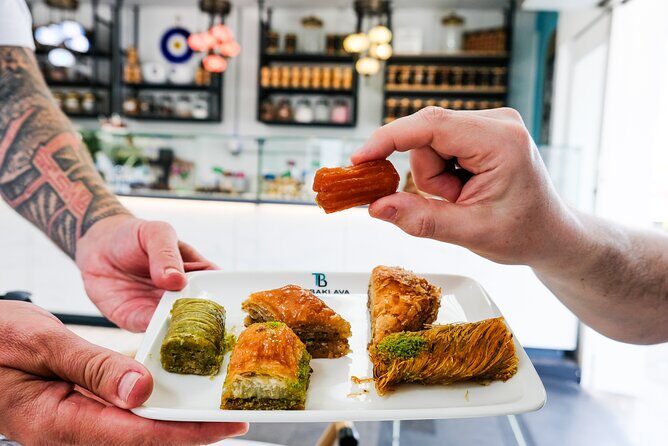
Sweet Treats of Key West is priced at $70 per person and runs about 1 hour 30 minutes to 2 hours. For Key West, that’s not a bargain-barn price, but it does include more than a simple stroll with recommendations. You get a guided walking tour, breakfast sweet-and-savory treats, and bottled water, plus the tour is set up for an easy on-foot route through Old Town.
The tour starts at Glazed Donuts, 420 Eaton St, and most tours end at Rooster Treats – Soft Serve Ice Cream & Mini Donuts, 1327 Simonton St. You’re essentially building an Old Town loop that starts with a ready-made breakfast mindset and ends with a dessert payoff.
Timing-wise, it’s usually best as a morning or early part of your day. That matters because Key West is hot, and because dessert places can run out of limited items. If you come expecting everything to be instantly available at every stop, you might be surprised. If you come prepared to enjoy the story as much as the snacks, you’ll likely have a better time.
Custom House: The Museum Stop That Puts Real Context Behind the Snacks
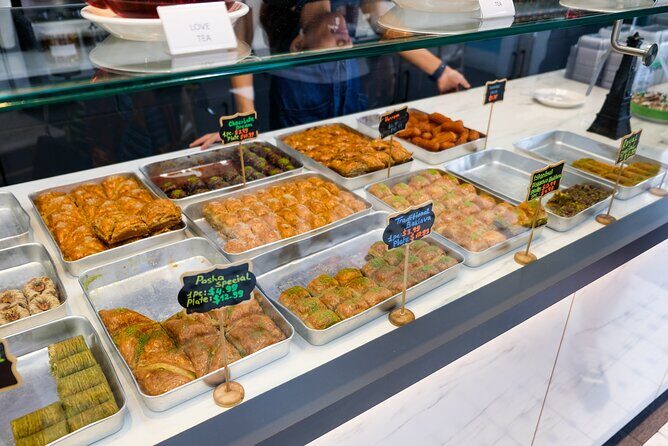
The first landmark is the Custom House, a restored harbor-side building that’s recognized as a national landmark and works as a museum and headquarters for the Key West Art & Historical Society. You’ll get about 15 minutes there, plus free admission as part of the tour.
What I like about this stop is that it sets expectations for what Key West is. Instead of treating the walk like a string of shops, the Custom House gives you a sense of the people and events that shaped the place. It covers two centuries, and it does it through exhibitions that connect art, history, and the characters who lived here.
The practical benefit: you’ll walk Old Town with better context. Even if you only catch a handful of exhibits in 15 minutes, the “why” behind what you see outside tends to click faster after a stop like this.
Possible drawback: if you’re chasing a pure food schedule, the museum window can feel short but also like it slows the pace. That’s the tradeoff for a tour that mixes knowledge with breakfast bites.
A Flight-Service Origin Story, Now a Celebrity Microbrewery Stop
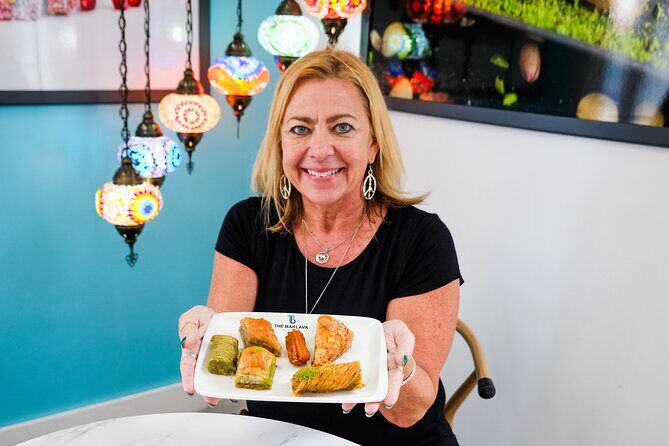
After the Custom House, you hit a very Key West-style kind of stop: a location tied to the birthplace of American international flight service, which has since been turned into a celebrity’s microbrewery.
This is the part of the tour that works best for people who like their vacations with a little personality. It’s also a reminder that Key West history isn’t only in museums. Sometimes it’s in repurposed buildings and businesses that you’d normally walk past without thinking twice.
Why it’s valuable: it adds a bigger-than-you’d-expect story beat in the middle of a food-focused day. Instead of learning only about ships, shops, and street corners, you get a connection to aviation and the way Key West plugged into larger travel networks.
The watch-out: because the stop is tied to a brewery, you may see more emphasis on the venue than on tasting. The tour does include food, but you should treat this as a story and stop moment—not as a guaranteed drink moment—especially if you’re traveling with kids or want straightforward snack time.
Old Town Walking Segment: When the Sights Add Flavor to the Story
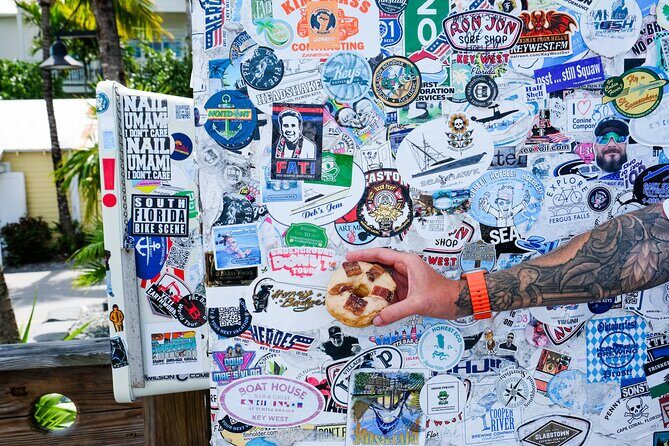
The middle of the tour is the Old Town walking part, designed to show you the sweeter side of Key West through sights, sounds, and tastes. This segment runs about 1 hour, and admission is listed as free for the segment.
This is where the tour’s biggest strength—and biggest mismatch—can happen.
If you enjoy a guided walk that helps you understand what you’re seeing, you’ll probably like this portion a lot. Old Town can be a little overwhelming on your own because the streets are photogenic and full of tempting storefronts. A guide’s job here is to give you a route and context so you’re not just hunting for your next bite.
If your goal is maximum dessert quantity and minimal walking, you may feel the balance shift too far toward history and place-stories. One caution from the tour’s real-world experience: donut availability isn’t always predictable, and when a shop sells out early, the tour can feel less like a food tour and more like a history route with snacks as a bonus.
My practical advice: go in hungry, but also expect that the tour’s value comes from the pairing—learning + eating, not eating, eating, eating.
Historic Seaport Finish: Shops, Eateries, and a Year-Round Key West Feel

The last themed stop is the Key West Historic Seaport, where you’ll get about 30 minutes. You’ll be pointed toward shops, unique eateries, and the kind of year-round events that make the seaport area feel like a constant stage.
This stop is a smart landing point because it’s not just “here’s a place.” It’s the kind of area where you can look around and immediately see why people keep coming back. You’ll also be in a good position to extend your day after the tour, because you’ll likely pass options for lunch, coffee, and additional sweet stops.
Most tours then end at Rooster Treats – Soft Serve Ice Cream & Mini Donuts. That’s a great final note because it turns the walk into a clear payoff: you’re not left wondering what the last snack should be.
If you’re the type who likes a tidy ending with a predictable choice, this finish helps. If you hate waiting in lines, keep in mind that popular dessert spots in Key West can get crowded, especially after tours let out.
Price and Logistics: Is $70 Worth It for This Kind of Walk?
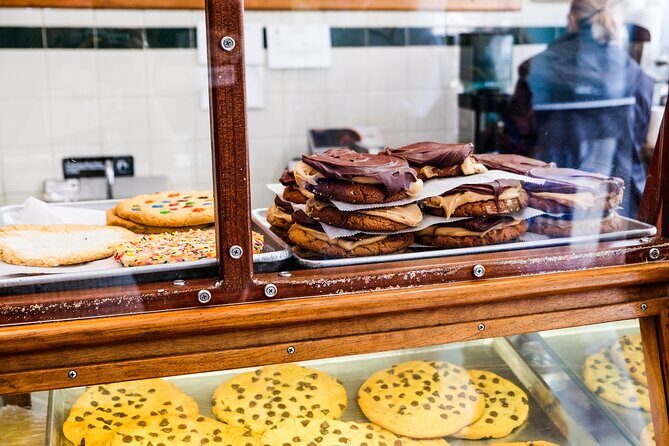
For $70 per person, the value depends on how you like to travel.
You’ll likely feel this is worth it if:
- You want a guided route so you don’t waste time guessing what matters in Old Town.
- You appreciate a museum stop like the Custom House rather than a string of storefronts only.
- You like that walking tour format: learn a bit, then reward yourself with included treats.
- You prefer a group capped at 20, which usually means less chaos than big street mobs.
You might think twice if:
- Your vacation snack style is quantity-first. This is not marketed as a guarantee of endless donuts at every stop.
- You’re sensitive to walking in heat. The tour note says it’s not recommended if you can’t walk about 2 miles in various weather conditions.
The biggest thing to understand is that this is not a private custom food crawl. It’s a structured walk with included bites and multiple stops, and that structure can sometimes mean the food portion feels secondary when crowds or stock issues happen.
The good news: the tour runs less than two hours, so it won’t stretch into an all-day commitment.
How to Get the Best Version of This Tour (Especially If Donuts Are Your Thing)
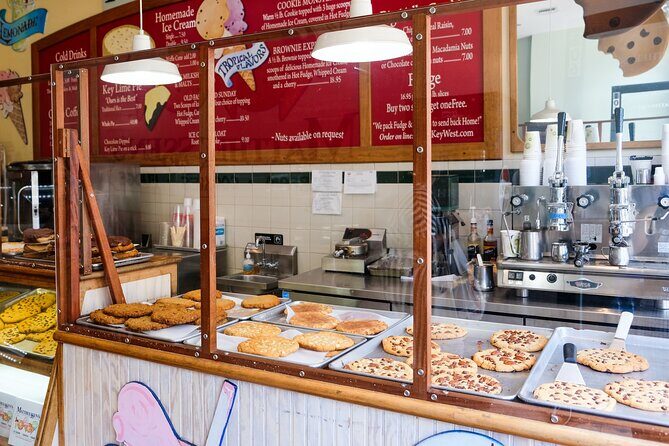
To have a smooth experience, focus on practical habits more than hopes.
Go early and be flexible about items. If a stop’s most popular donut is sold out, the tour can still be fun, but your experience may shift. You’ll have more control over your mood if you’re ready for what’s available rather than what you planned to eat.
Wear shoes you can trust. The tour is built around walking, and the guidance is clear: about 2 miles of walking in changing weather. Key West can be warm and breezy, and sidewalks can vary. Good footwear helps you enjoy the stories instead of thinking about your feet.
Bring the right mindset. This is a guided walk through recognizable Old Town landmarks, with food included as part of the experience. If you treat it like a museum with snack breaks, you’ll probably enjoy it more. If you treat it like a pure food buffet, you might feel let down.
Use the map like a tool, not a crutch. You’ll start at Glazed Donuts and end at Rooster Treats, so you can plan the rest of your day around that. Also, the tour uses a mobile ticket, which is handy once you’re on foot.
And one more tip: if you’re traveling with kids, it helps to set expectations before the tour starts. This tour can be a great morning activity, but the balance is not always what every family wants.
Who Should Book This Sweet Treats Tour?
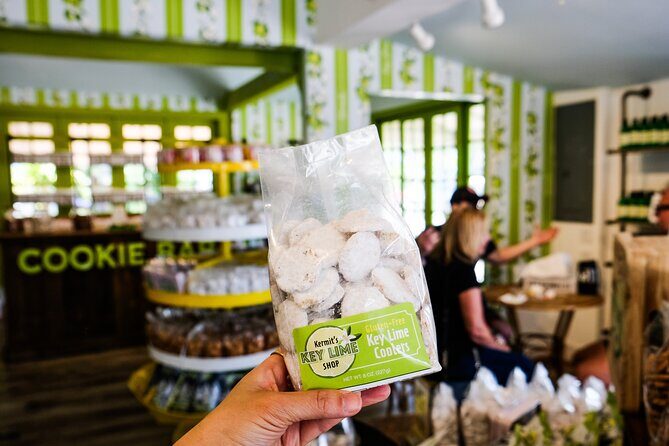
This is a strong fit for you if:
- You want a guided introduction to Old Town without spending your whole morning bouncing between random shops.
- You like your Key West with a side of history and place-stories.
- You’re okay with included treats being meaningful, even if the tour doesn’t become a guaranteed donut parade.
It’s not the best fit if:
- You can’t comfortably walk around 2 miles in various weather.
- You need a highly food-quantity focused experience with guaranteed availability at every stop.
- You’re looking for a quieter, museum-only pace. This is still a walking tour built around multiple stops.
Should You Book Sweet Treats of Key West?
With a 4.7 rating and 95% recommending it, the odds are good that most people are happy with the overall mix—snacks plus guided sightseeing in a short morning window. If you want a structured “see Key West, then eat Key West” kind of day, this tour makes it easy.
Book it if you’ll enjoy the route and the landmark context, and if you’re ready to adapt when certain food items sell out. Skip it (or choose a different food-only option) if you’re strictly chasing the biggest possible amount of donuts or sweets with zero history detours.
FAQ
How long is the Sweet Treats of Key West walking tour?
It runs about 1 hour 30 minutes to 2 hours.
How much does the tour cost?
The price is $70.00 per person.
Where does the tour start and end?
It starts at Glazed Donuts, 420 Eaton St, Key West, FL 33040. Most tours end at Rooster Treats – Soft Serve Ice Cream & Mini Donuts, 1327 Simonton St, Key West, FL 33040.
What’s included in the price?
You’ll get breakfast sweet and savory treats, bottled water, and a walking tour.
What language is the tour offered in?
The tour is offered in English.
Is there a group size limit?
Yes. The tour has a maximum of 20 travelers.
Is the tour suitable if I can only walk a little?
It’s not recommended for those who can’t walk for about 2 miles in various weather conditions.
What happens if weather is bad?
This experience requires good weather. If it’s canceled due to poor weather, you’ll be offered a different date or a full refund.
Are service animals allowed?
Yes, service animals are allowed.
]]>I especially like the food-to-story flow. The stops move from a classic Key West breakfast (iced coffee and fresh baked cake) to Cuban cuisine, then to a true secret dish, plus conch fritters, rum tasting, and a chocolate-dipped Key lime pie finish. One possible drawback: the depth of the local history depends on your guide, so if you’re a history junkie, you may want to ask questions and steer the conversation.
Key West Secret Walking Food Tour: the main reasons it works
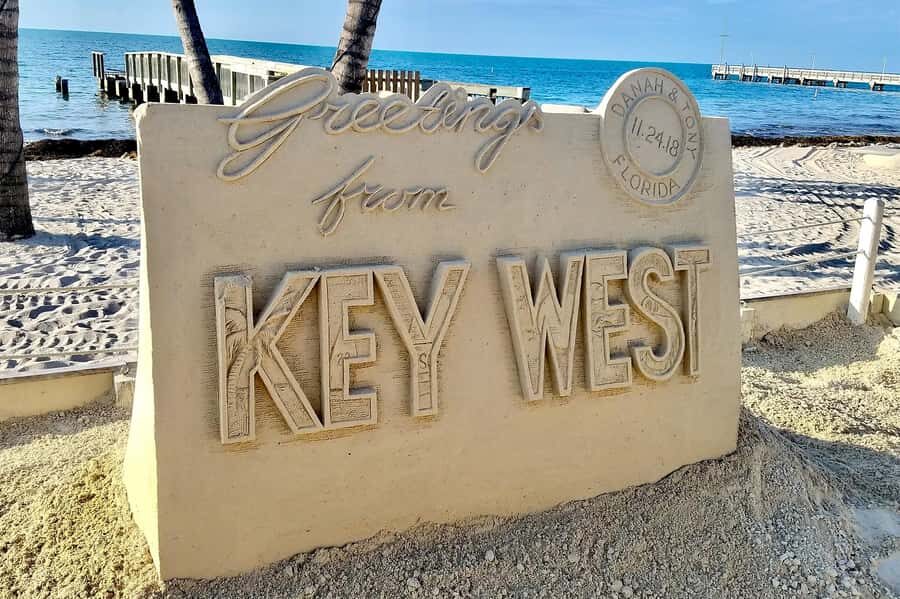
- Small group (max 10) keeps things chatty, not rushed
- Food included means you can plan your meals around the tour and stop guessing where to eat
- A real local guide shares culture, architecture, and food context (guides like Kitty, Megan, Brad, and John have led groups)
- Old Town pacing with breaks helps in Key West heat and humidity
- Multiple “wow” tastes: Cuban cuisine, conch fritters, rum tasting, and chocolate-dipped Key lime pie
Finding your group: Doing Work Coffee on Duval Street
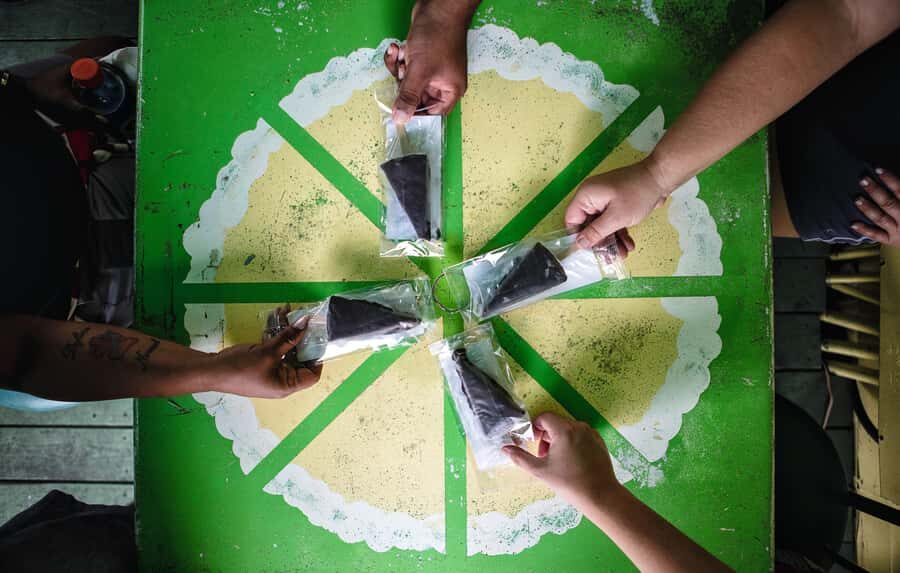
Your tour meets at Doing Work Coffee, 335 Duval St. It’s right in the action, but the plan is not to stay stuck on the busiest stretch. The guide will be easy to spot with an orange umbrella, so you won’t need to play guessing games.
Try to arrive about 5 minutes early. You’ll get time to settle in, use the restroom if you need it, and get ready to walk without feeling behind.
3 hours of walking food, built for a small group

This is a 3-hour walking tour, usually offered in the morning and afternoon. The group is capped at 10 people, which matters more than it sounds. With fewer people, the guide can actually manage pacing, answer questions, and keep the group together without turning every stop into a sprint.
You’ll also want to plan for Key West weather. Even with rest stops built into the experience, one of the best practical tips I can give is to bring your own bottle of water. The tour includes water, but extra hydration is just smart in hot, humid Florida.
Stop 1: iced coffee and local fresh baked cake to start like a local
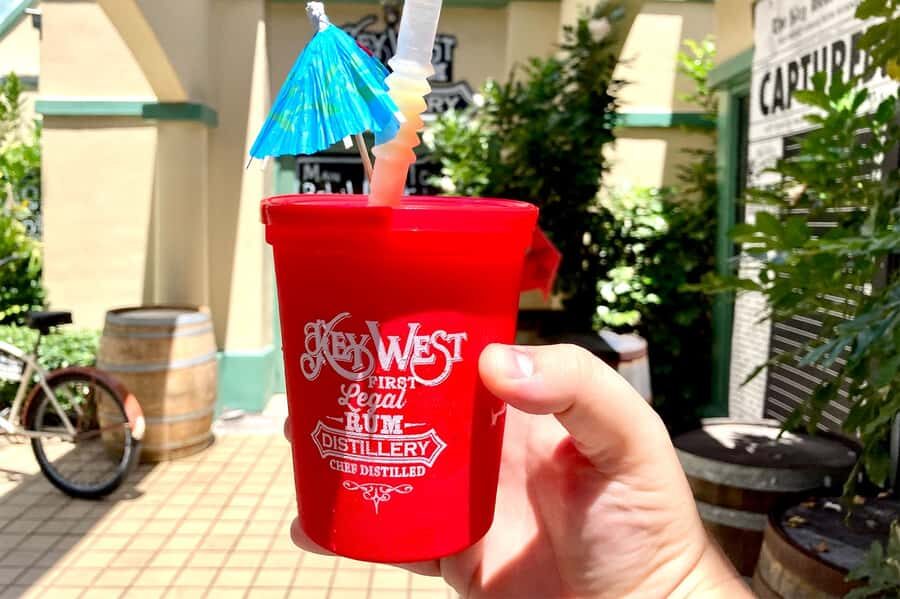
The tour kicks off with a classic Key West breakfast: iced coffee and local fresh baked cake. Starting with something light-and-sweet does two things. First, it helps you cool down early (iced coffee is a good match for the heat). Second, it puts you in the right mindset for the rest of the walk: you’re eating local flavors, not just getting a snack here and there.
This first stop also sets the tone for the guide’s storytelling. You’re not only being fed; you’re being given context for what you’re about to try.
Duval Street stroll to Cuban cuisine: Caribbean influence you can taste
Next, you’ll wander down Duval Street toward a local haunt for the island’s Cuban cuisine. Duval is busy, sure, but the tour uses it as a starting point rather than the finish line. You’re walking with a purpose: to connect Key West food culture to the wider Caribbean mix.
What to expect here is comfort-food energy. Cuban cuisine in Key West often leans into bold flavors, hearty portions, and a “come back for seconds” kind of vibe. Some groups also mention Cuban-style bites like Cuban bagels as part of this stop, so if you like savory breakfast options, this is a good moment to pay attention.
The secret dish: what you’ll get and why it’s fun
Then comes the part the tour is named for: the Secret Dish. The idea is simple and effective—one stop where you don’t fully know what’s coming, and the guide handles the ordering and context.
Because menus can vary, you might see different kinds of treats here. In some group experiences, the secret dish has been described as something like wings, and other times it’s connected to Caribbean comfort plates. The common thread is that this stop is meant to feel special, not like a random side quest.
If you’re a foodie who likes surprises, this is where the tour feels most like a secret club.
Rum tasting from one of Key West’s oldest distilleries
After the hearty savory stops, you’ll cool down with a rum tasting from one of the oldest distilleries in Key West. Even if you don’t consider yourself a big alcohol person, a tasting is usually more educational than a drink-and-stumble moment.
This is a smart pivot for the route. The day keeps moving, but the focus shifts from food texture to flavor notes—sweetness, spice, and what makes Key West rum culture distinct.
Also, if you’re the type who wants more than the base tasting, there are alcohol upgrades available. The tour itself includes the rum tasting, plus water.
Conch fritters: crunchy, local, and easy to love
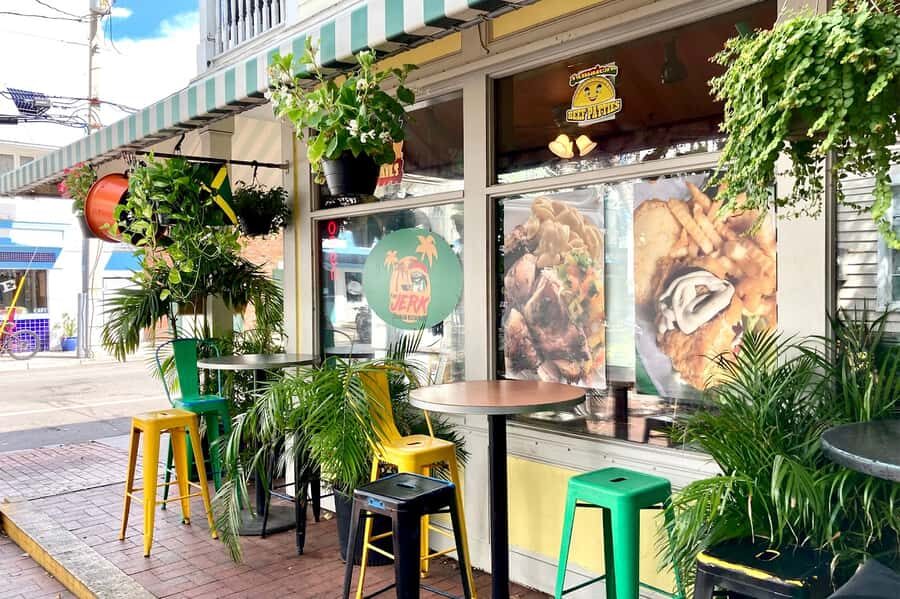
Then you’ll indulge in conch fritters. This is one of those “only-in-the-Keys” foods that feels both casual and iconic. You get that crisp outside, tender inside, and a flavor profile that’s unmistakably tied to the region.
The best part of conch fritters on a walking tour: they’re filling without being heavy. You can keep moving, enjoy the next stop, and not spend the last hour feeling like you need to lie down on a bench.
Chocolate-dipped Key lime pie to finish strong
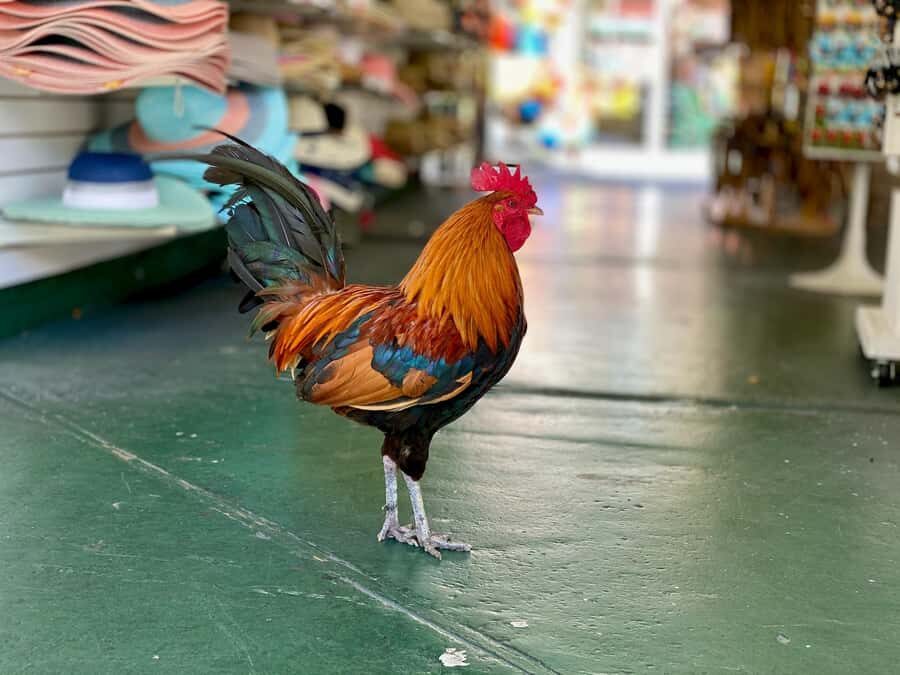
For dessert, the tour ends with a local favorite: Key lime pie dipped in chocolate. Key lime is the star of Key West, and chocolate adds that extra hit of richness that turns dessert into a proper finale.
In some experiences, the chocolate-dipped version has been specifically connected to Kermit’s famous take on Key lime pie—so if that’s your thing, you’re likely in for a memorable ending. Either way, the structure works: creamy-tart lime first, then the chocolate coating brings a deep sweetness that sticks with you.
What makes this feel local, not like a checklist tour
A lot of food tours stop at “eat here, eat there.” This one tries to do something else: connect the food to Key West life. You’ll get the city’s stories passed down through time, plus explanations of why certain flavors and cultures show up where they do.
You also walk farther from purely touristy venues while still staying within Old Town. That balance is what makes it feel authentic. You’re not just consuming food—you’re learning how people live and eat here.
Your guide’s role: Kitty, Megan, Brad, and John set the tone
The tour’s success hinges on the guide. The operator clearly aims for passion and experience, and you’ll see it in how guides handle the group.
Guides like Kitty have been praised for giving an easygoing tour without getting in the way, letting you take in the city while still keeping the rhythm. Megan has been noted for fascinating local history that ties cleanly into the food choices. Brad has led groups where the secret dish landed especially well. John is another name that’s come up for Key West history knowledge.
One consideration: not every guide will lean equally into history. If local history is your priority, bring it up early and ask a couple of questions. You’ll get more out of the tour that way.
Food included: how to pace your appetite
Your included bites cover a full arc, not just random samples:
- Iced coffee and fresh baked cake
- Cuban cuisine
- Our Secret Dish
- Conch fritters
- Chocolate covered Key lime pie
- Water
Because the tour includes multiple tastings, you’ll likely finish full—sometimes in a way that affects dinner plans for the rest of the day. The smart move is to treat your other meals that day as lighter.
Dietary needs are handled with care, but you need to ask ahead of time. Contact [email protected] before booking to see if your dietary requirements can be accommodated.
Price and value: is $115 fair for 3 hours and all that food?
At $115 per person for a 3-hour small-group walk, you’re paying for more than food. You’re paying for:
- a local guide
- access to several specific local food stops
- multiple included tastings
- rum tasting plus water
That can be good value if you’re a first-timer in Key West or you want a guided path through Old Town without spending time hunting. It’s also a strong buy if you enjoy learning while you eat, because the tour is designed to add context rather than just calories.
It might feel pricey if you’re the kind of person who prefers to pick from menus on your own, or if you only want one solid meal. Also note what isn’t included: transportation (and no hotel pickup/dropoff by default). You’ll need to get yourself to the meeting point at Doing Work Coffee.
Practical tips before you go (so the tour feels easy)
- Wear comfortable shoes. This is a walking tour, and Key West adds heat.
- Bring an extra bottle of water if you run warm. Water is included, but humidity is real.
- Arrive 5 minutes early and look for the orange umbrella.
- If you have dietary needs, email [email protected] first.
- Plan to stay flexible with timing. It’s only 3 hours, so you want to be present and ready.
Who this tour is best for
This Key West secret walking food tour is a great fit if you:
- like walking + eating instead of sitting through a single long meal
- want to understand the city’s food culture through a local guide
- enjoy Caribbean flavors, especially Cuban cuisine and Key lime
- appreciate a small group where your questions don’t disappear into a crowd
It’s less ideal if you strongly dislike walking, want a fully private tour, or prefer to choose every meal on your own.
Should you book the Key West Secret Walking Food Tour?
Book it if you want a smart introduction to Old Town Key West that’s built around real food stops, local stories, and a guided pace. At $115, the value makes sense because you’re not just buying snacks—you’re getting a planned route, multiple tastings, and a rum tasting, all in a max 10-person group.
Skip it if you’re mostly after one meal and don’t care about food history or cultural context. If you care about both, this tour is one of the more satisfying ways to experience Key West without wandering randomly.
FAQ
Where is the meeting point for the tour?
The tour meets at Doing Work Coffee, 335 Duval St, Key West, FL 33040, USA.
How long is the Key West secret walking food tour?
The tour lasts about 3 hours.
How many people are in each group?
It’s a small group limited to 10 participants.
What time does the tour run?
The tour is usually available in the morning and afternoon.
What food is included?
Included food items are iced coffee and local fresh baked cake, Cuban cuisine, conch fritters, our delicious secret dish, and chocolate covered Key lime pie.
What drinks are included?
Water is included. A rum tasting is part of the experience, and alcohol upgrades may be available.
Is transportation or hotel pickup included?
No. Transportation and hotel pickup and dropoff are not included, though hotel pickup/dropoff can be arranged on request.
What should I do if I have dietary requirements?
Contact [email protected] prior to booking to ask whether your dietary requirements can be accommodated.
How do I find the guide?
The guide will have an orange umbrella. Arrive at least 5 minutes early.
Is gratuity included?
No. Gratuities are not included and are highly appreciated.
]]>What to watch for: it runs 150 minutes. It’s the right length for a full sweep of architecture plus history, but if you prefer a tighter 90–120 minutes, the pacing may feel like a lot of material in one go.
Key points worth knowing

- Start at The Betsy Hotel lobby, a fitting base for South Beach design stories
- Art Deco, Mediterranean Revival, and MiMo get explained in plain language you can spot
- Film-history stops reference Miami Vice, Scarface, and Birdcage style pop-culture moments
- Dark-history coverage includes true crime and scandal locations, plus segregation and the cocaine cowboys era
- Your guide map is hand-prepared by your host, so you can keep exploring after the walk
- Expect lobbies and rooftops at select moments for a closer look at design details
Why this Miami Beach walk feels different from the usual tour
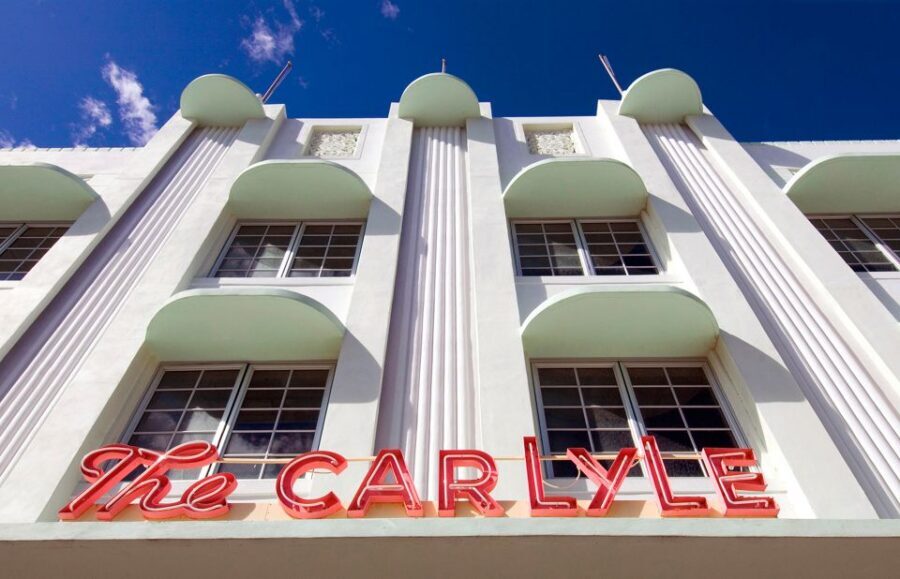
Miami Beach is famous for beaches. This tour reframes it as a designed place with a constructed story. You’ll hear that the area is mostly man-made, and that Biscayne Bay used to be a shallow swamp. That alone changes how you read the skyline. Instead of treating the city like it appeared out of nowhere, you start seeing it as an ongoing project—built, expanded, and reshaped over time.
I also like how the tour doesn’t treat architecture like decoration. The guide connects building styles to the eras that produced them, from the city’s early evolution through the Great Depression. That matters because South Beach’s look can feel like one continuous vibe when you’re standing on Ocean Drive. On this walk, you learn to notice transitions.
Finally, the mix of the glamorous and the ugly is where the experience earns its keep. Art Deco isn’t just “pretty buildings.” It sits next to stories of segregation, Jewish history, Cuban migration, the cocaine cowboys’ era, and the aftermath of Gianni Versace’s infamous murder. You get a Miami Beach that tells the truth, even when it’s uncomfortable.
From The Betsy Hotel lobby to South Beach streets: how the 150 minutes work
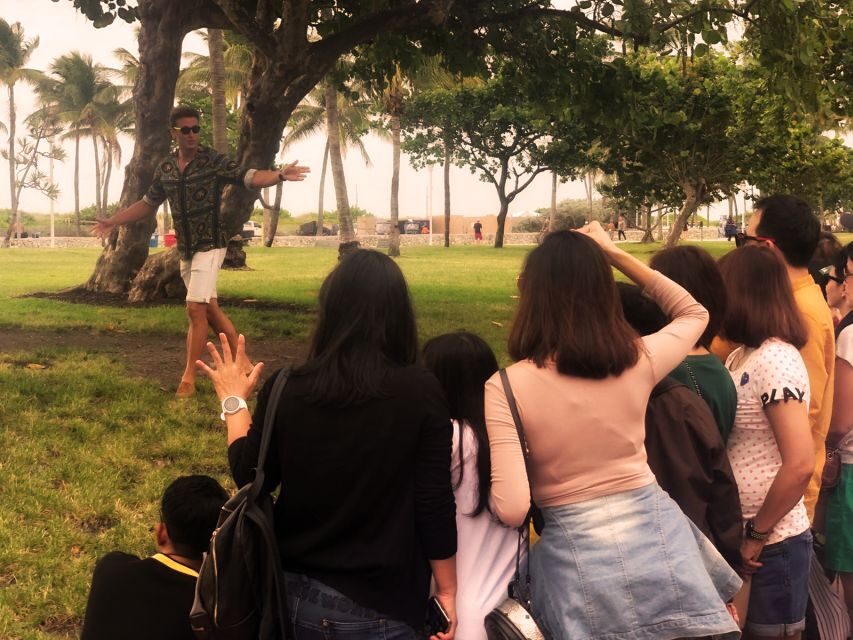
Your tour meets at the lobby of The Betsy Hotel. From there, you move along iconic South Beach streets and into the kinds of spaces most visitors only see from the sidewalk. The overall rhythm is walk, stop, observe, then learn something specific you can tie back to a visible feature.
The 150-minute timing is built for a “see it, explain it” flow. You’re not just handed a broad lecture while you stroll. The guide points out architectural details, then links them to a larger moment in Miami Beach’s past—why a style shows up where it does, and what social and economic pressures shaped it.
A small practical note: because the tour includes semi-public access to hotel lobbies and sometimes rooftops, you should plan for a bit of slow-down and regrouping. That’s part of why it feels more than a street-marked walking tour. It also explains why one guest wanted a shorter format. If you like ultra-short “greatest hits” sightseeing, the 2.5 hours can feel packed.
The architecture lesson: Art Deco, Mediterranean Revival, and MiMo
Here’s the value of a design-focused tour: it trains your eyes. Once you know what you’re looking for, South Beach stops being “nice buildings” and becomes a language.
This tour covers three major style families you’ll keep running into around the neighborhood:
- Art Deco, with its signature geometry and era-specific flair
- Mediterranean Revival, where look and mood pull from coastal European styling
- MiMo, the mid-century modern cousin that shows up later and carries its own identity
What I like is that the guide doesn’t treat style labels like trivia. You’ll learn what features to notice—shapes, finishes, and the kinds of details that make one building feel different from the next. That turns the walk into something you’ll use later. After the tour, you can spot features without needing a brochure.
You’ll also pass and enter spaces that make those details easier to see. Lobbies can be especially helpful because you’re looking at materials and design in closer range than from the street. Even when you’re outdoors, the tour encourages slow looking, not just moving along.
Miami Beach origin stories that change how you read every block
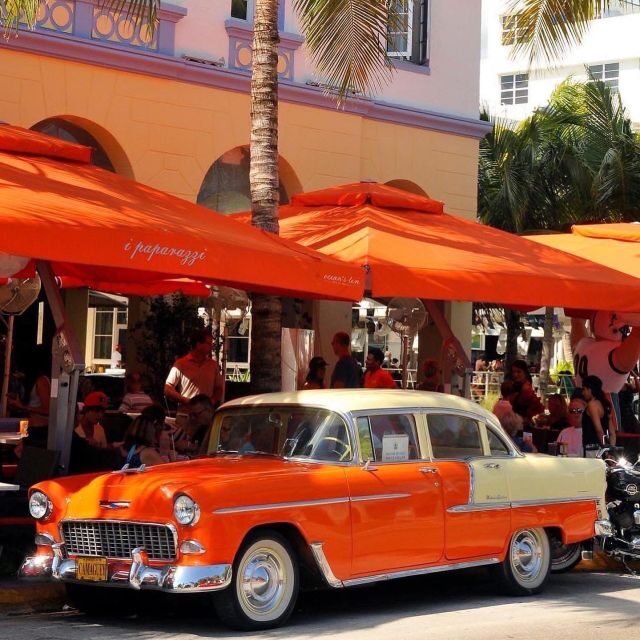
The tour’s history isn’t generic. It includes key origin threads that help explain the city’s layout and its cultural swings.
You’ll hear that Miami Beach is mostly man-made, which adds a grounded layer to the scenery. You’ll also learn the earlier reality of Biscayne Bay as a shallow swamp. That connects the city’s growth to land itself—how it was formed, and why the final geography matters to what was built later.
Then the tour moves into the Great Depression era. This part matters for two reasons:
1) It explains why prosperity and building booms weren’t linear.
2) It gives context for why certain styles and developments took the shape they did.
If you’re the type who wonders why a place looks the way it does, this is the section that “clicks” for many people. South Beach stops feeling like an aesthetic theme park and starts feeling like a record of decisions, money, and identity.
Hollywood and the story behind Miami’s screen fame
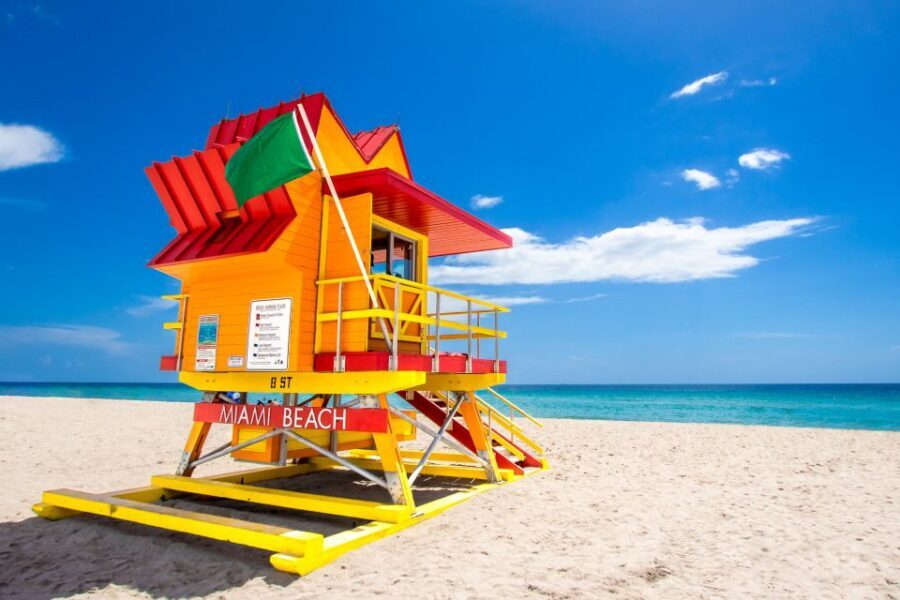
Miami has always been a movie-friendly setting, but this tour makes screen fame feel earned rather than random.
You’ll get familiar with Hollywood film locations tied to Miami’s pop-culture image, including Miami Vice, Scarface, and Birdcage. The guide uses these references as waypoints. Instead of just saying a show or film used this area, the tour connects the visual choices back to what Miami Beach looked like in the eras the stories draw from.
This section is great if you like film, but it also helps you if you don’t. Once you know how the camera found the streets and buildings, you start noticing why certain blocks look “cinematic” even when you’re standing there in daylight.
One more practical benefit: these references make the walk easier to remember. You’re less likely to feel like you covered “random stops.” Instead, you build a mental map using stories you already recognize from screen culture.
The dark side of history: segregation, the cocaine cowboys era, and Versace
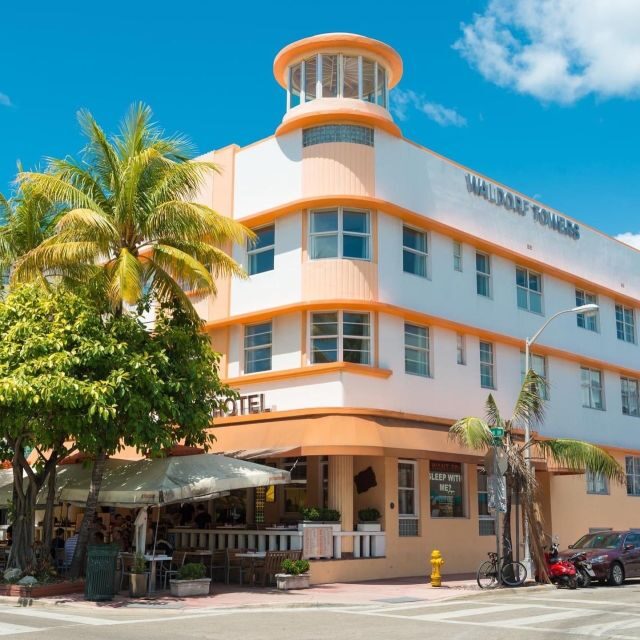
This is not a sanitized “sunshine only” history tour. You’ll hear about the adverse realities of segregation and the way different communities shaped Miami Beach life. You’ll also learn about Jewish history and Cuban migration—threads that show up in neighborhoods, businesses, and community influence.
Then the tour turns to the era of the cocaine cowboys. This isn’t presented as a glam gangster myth. It’s framed as part of Miami Beach’s checkered past, tied to the way power, money, and crime intersected with the city’s image.
Finally, you’ll cover the infamous murder of Gianni Versace. That moment still sits in the public memory, but on this tour it’s used to connect how famous incidents shape a place’s narrative. Even if you’ve read about Versace before, this approach helps you connect the story to the surrounding design and social context.
If you’re sensitive to true crime and scandal, you should know this tour includes that “dark history” side. The upside is that it’s handled as history and context, not shock entertainment.
Behind-the-scenes hotel lobbies and semi-public spaces: what you actually gain
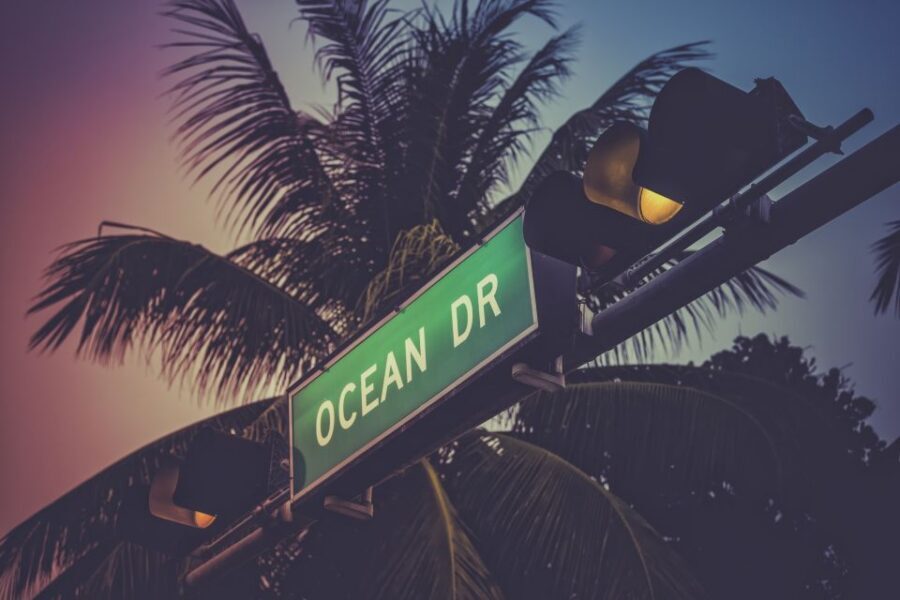
A lot of walking tours point at buildings. This one also asks you to look at how people move through spaces. That’s why it includes behind-the-scenes access to historic hotel lobbies and other semi-public areas.
What that adds in real terms:
- You see design details at closer range, where texture and geometry matter
- You understand how architecture supports social life, not just aesthetics
- You get a different feel for scale, especially when you look up from a lobby instead of from the sidewalk
This matters because Art Deco can look like simple shapes from far away. Up close, the craftsmanship changes how you interpret it. You stop treating it like a costume and start seeing it as construction and style decisions.
The guide also uses these access moments to keep the history grounded. You’re not walking through architecture while thinking about architecture alone. You’re seeing buildings, then hearing why that era shaped what you’re looking at.
Your $49 value check: why the price feels fair for what’s included
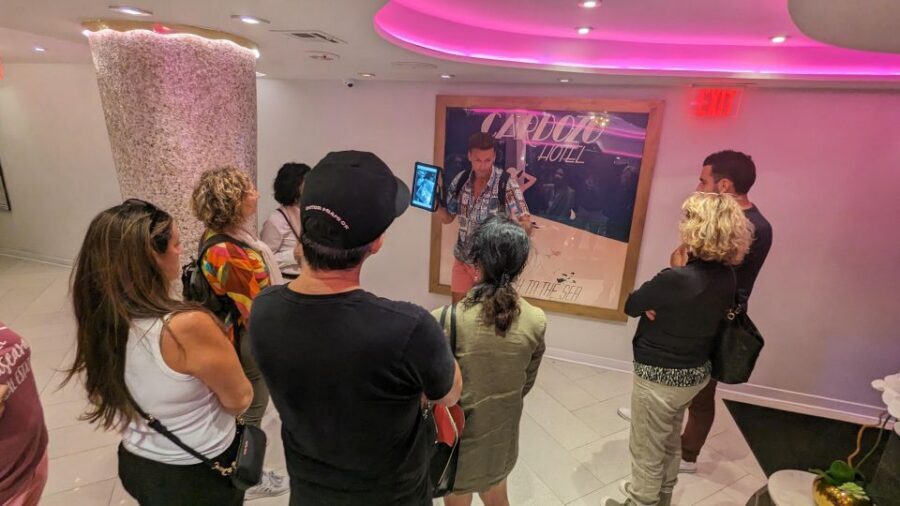
At $49 per person for about 150 minutes, the value depends on what you want from a tour. If you only need a quick set of photos, you’ll find cheaper ways to walk South Beach. But if you want your time to produce understanding, this price starts making sense.
Here’s what you’re getting that most walking tours don’t include:
- A guide who’s involved with Art Deco preservation through local community work
- Lobbies and semi-public spaces as part of the experience
- Film location context tied to Miami Vice, Scarface, and Birdcage
- A guide map hand-prepared by your host, so you can keep exploring after the tour
The “map” part is underrated. It gives you a way to continue on your own, with stops that match the themes you learned—architecture types and historical anchors. That stretches the value beyond the 2.5 hours on your feet.
Also, the tour includes skip-the-ticket-line style convenience and a live English-speaking guide, which helps keep the pacing smooth. You’re not waiting around for formal entry steps that break momentum.
Who this tour is best for (and who should reconsider)
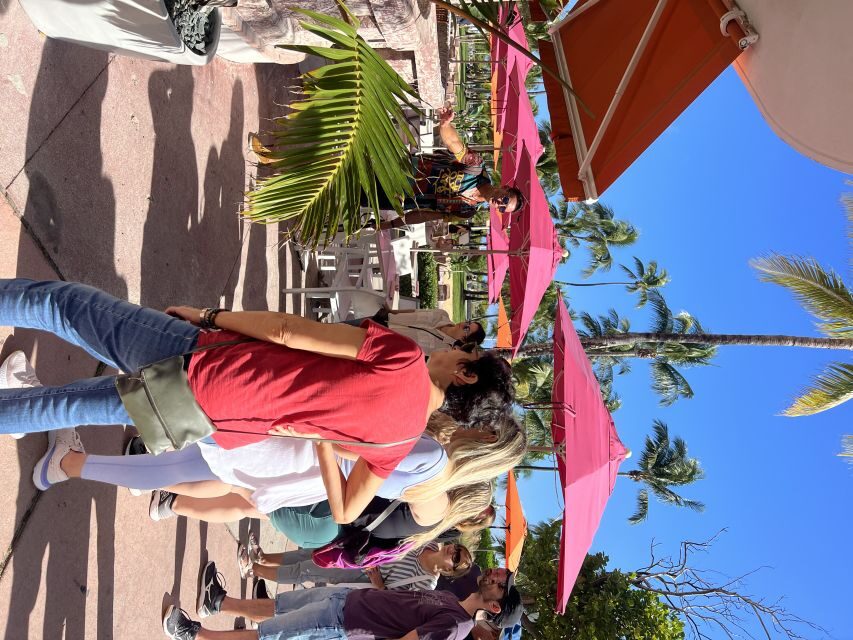
This tour is a strong fit if you:
- Like architecture enough to want specifics, not just “pretty buildings”
- Want South Beach history that includes both the glamorous and the troubling parts
- Enjoy local guides who tell stories with detail and humor
- Have limited time and still want a tour that changes how you see the neighborhood
It may be less ideal if you:
- Prefer a shorter experience than 2.5 hours
- Want a strictly light, romance-only view of Miami Beach
- Are the type who wants only beaches and free time, not structured stops
One more detail that can help you decide: the guide is described as organized and great at answering questions. If you like to ask why a building looks the way it does, you’ll likely enjoy that back-and-forth style.
Practical tips so you get more out of the walk
- Wear shoes you can stand in. The whole point is observation, not speed.
- Bring a phone or small notebook. You’ll get multiple eras and architectural styles, and quick notes help.
- Ask questions when the guide slows down on details. That’s when the architecture lesson becomes personal.
- Pace yourself with the “dark history” stops. You don’t have to absorb everything at once. Let the stories land, then move on.
If you’re trying to combine this with other South Beach plans, treat it as a lens. You’ll enjoy the rest of your day more because you’ll start seeing the buildings differently.
Should you book this Art Deco & History Walking Tour?
Book it if you want Miami Beach to feel real, not simplified. I think the strongest reason to choose this tour is the combo: design training plus true history, including the uncomfortable parts, all led by a local who’s tied to preservation work.
Skip it if you’re only looking for quick skyline photos or you dislike tours that cover true crime and scandal. Also consider how you handle time on your feet. At 150 minutes, it’s a full half-morning style commitment.
If you’re on the fence, here’s the tiebreaker I’d use: if you’d rather understand why the buildings look the way they do, this is a great use of your limited time in Miami Beach.
FAQ
Where does the tour meet?
The tour meets at the lobby of The Betsy Hotel.
How long is the walking tour?
The tour lasts 150 minutes.
How much does it cost?
It costs $49 per person.
Is the tour led by a live guide?
Yes. It’s a live guided tour in English.
What architectural styles does the tour cover?
You’ll get familiar with Art Deco, Mediterranean Revival, and MiMo architecture.
Does the tour include access beyond the street?
Yes. It includes behind-the-scenes access to historic hotel lobbies and other semi-public spaces, plus visits to lobbies and rooftops at select moments.
Does the tour connect Miami Beach to film locations?
Yes. You’ll learn about Hollywood film locations that made Miami famous, including Miami Vice, Scarface, and Birdcage.
Does the tour cover crime and scandals?
Yes. The tour includes stories and locations from the darker side of history, including true crime elements, the cocaine cowboys era, and the Gianni Versace murder.
What language is the tour offered in?
The tour is offered in English.
Can I cancel for a full refund?
Yes. Free cancellation is available up to 24 hours in advance for a full refund.
]]>This 3-hour small-group Key West seaport walk strings together 6 seafood or drink tastings with stories about how the harbor shaped island life. It’s aimed at getting you past Duval Street clutter and into the local rhythm of eating, learning, and snapping photos.
I love how the stops are built to feel like a hearty lunch, not a sad sample parade. And I really like that the guide experience is hands-on, with practical moments like learning the proper way to say conch and why it matters here.
One thing to consider: you’ll cover about 1.5 miles on foot over the full tour. If you’re not used to steady walking, wear supportive shoes and pace yourself.
Key West Seaport Food Walk: 6 Tastings That Actually Add Up
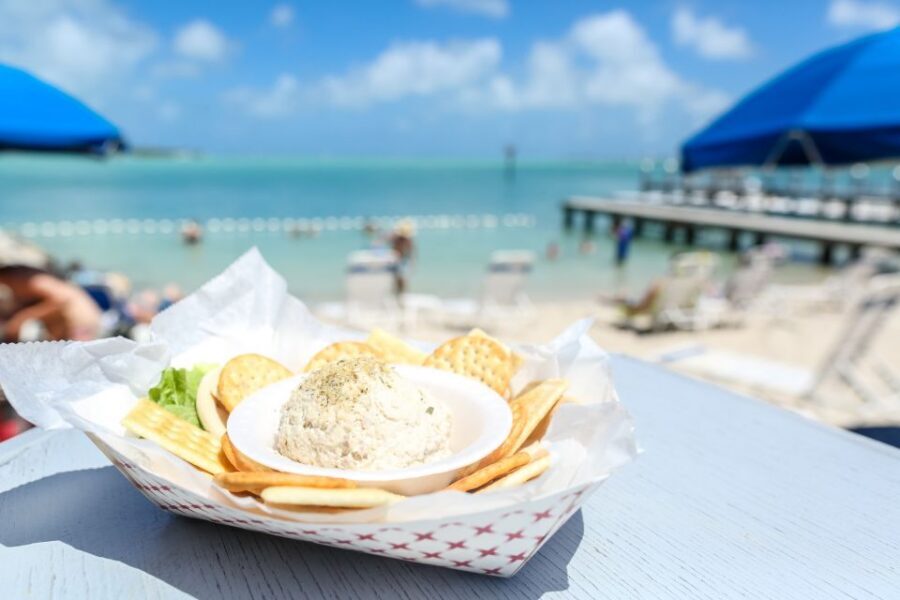
- 6 tastings over 5 stops designed to feel like lunch, not just snack-size bites
- Seaport history on the route: industrial beginnings to today, told as you walk the docks
- Small group (max 7) means more time to ask questions and linger when something catches your eye
- Photo-friendly Key West details like bright plants, artist murals, and recognizable landmarks
- Practical food education, including how to say conch the Key West way and why it’s an island delicacy
- Guides with real personality, with many guests praising their mix of food talk and island context
Where the Tour Starts: Eaton St Seafood Market, Right in the Action
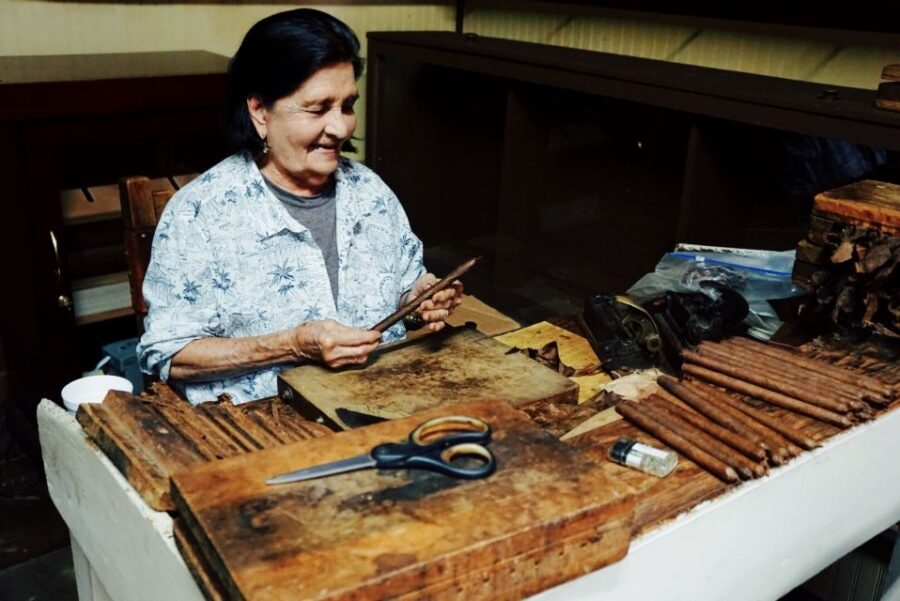
You meet at Eaton St Seafood Market, on the corner of William and Eaton St. It’s a smart starting point because it signals the tour’s focus right away: this isn’t just eating indoors, it’s eating in the real seaport neighborhood.
If you’re driving, plan for paid parking at the Waterfront Brewery or Opal Key Resort Garage. Since there’s no hotel pickup, showing up on time matters more than you think. This kind of food-and-walk route only works if the group keeps moving at the same pace.
The Walk: 1.5 Miles, 3 Hours, and a Pace That Lets You Eat
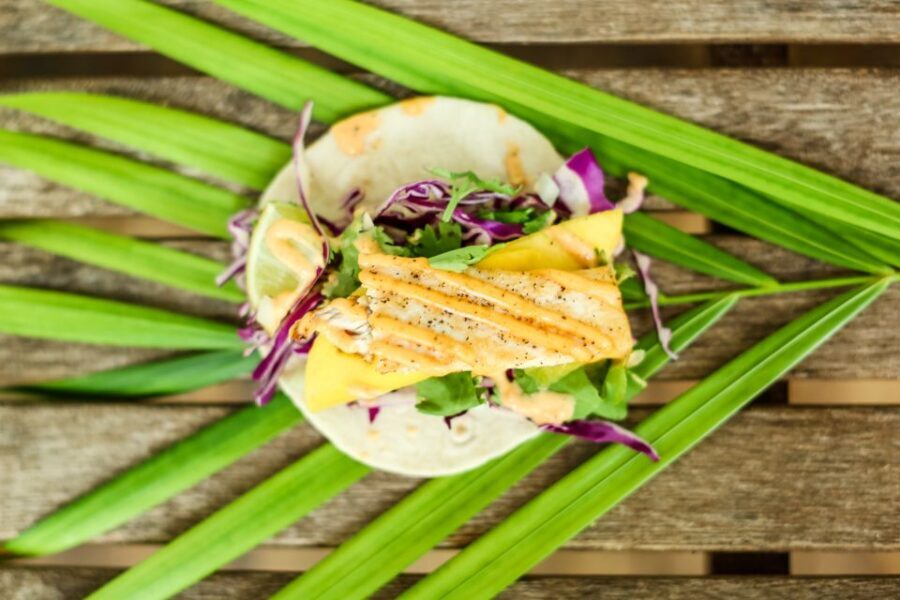
The route covers about 1.5 miles over 3 hours, and it’s ADA accessible. That’s a good sign for people who want the Key West vibe without a long slog.
The pacing is also part of the value. Tastings need time, and you’ll spend time listening at the seaport. You’re not just collecting food; you’re learning what you’re tasting and where it fits into local life.
Practical tip: bring comfortable shoes. The tour is built around short hops between places, then time inside each stop. If your feet are unhappy, the whole experience gets less fun.
How the Tastings Work: 5 Stops, 6 Portions, Local Eateries and Seafood Markets
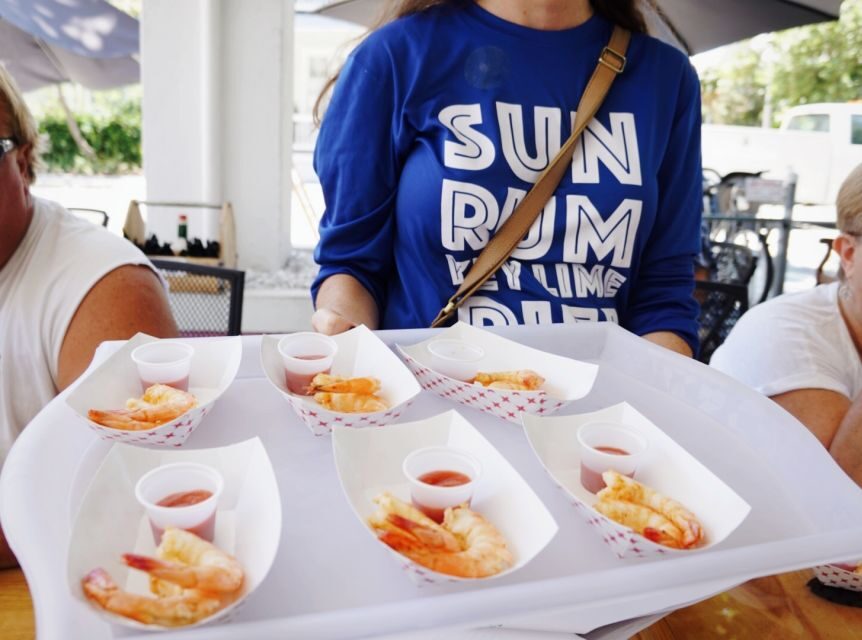
The big promise here is clarity: you stop at 5 tasting locations with 6 seafood or drink tastings total. They’re chosen to give you an eclectic view of Key West’s best places along the historic seaport.
What that means for you: you’re less likely to waste your vacation time guessing where to eat. By the end, you’ll have names to plug into your own plans, and you’ll know what you liked and what to order again.
Stop types you can expect (and why they matter)
The tour is described as hitting a mix of:
- adored local eateries and family restaurants
- tucked-away, off-the-beaten-path spots
- a fisherman-owned seafood market
That mix is the whole point. If every stop were the same style of restaurant, you’d miss the way Key West food culture spans casual counter service and sit-down comfort. By combining seafood-forward places with other local bites and drink pairings, the tour gives you a fuller picture of what locals actually do.
Examples from the kind of food mentioned
You might see favorites like:
- Lobster mac and cheese at Bagatelle (one guest called it a highlight)
- Tacos from Garbo Grill (another guest flagged them as a standout)
- A Cuban sandwich from a local shop (also singled out as a top moment)
Not every group will land on the same exact menu items, but these examples tell you the tour leans toward well-loved local food with clear regional flavors, not generic tourist plates.
Seaport Stories You Can Feel: Industrial Beginnings to Island Culture
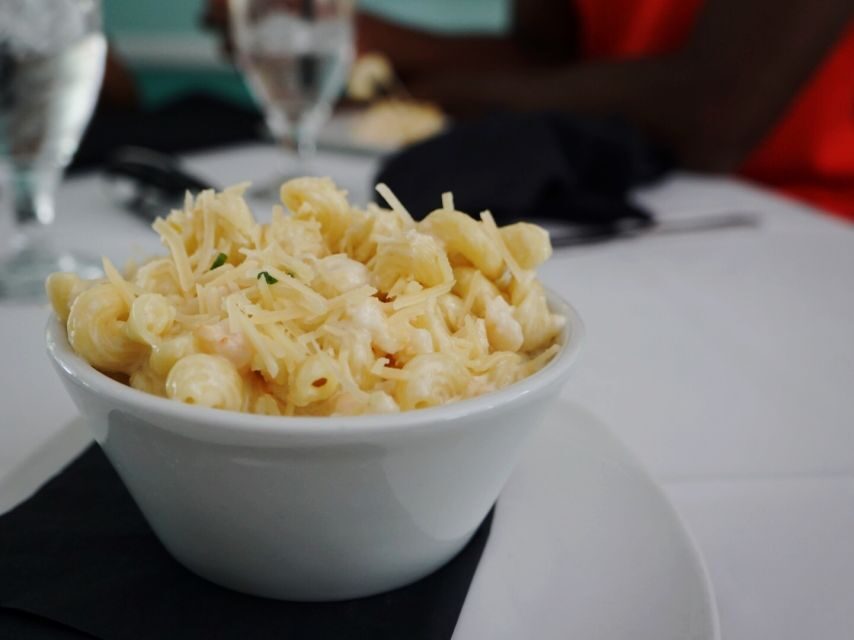
One of the most praised parts is the guide storytelling. People consistently mention that the history made the rest of the trip click. That’s not just trivia. When you understand the harbor’s role, Key West’s food culture makes more sense.
As you stroll side streets and docks, you get the seaport’s charm plus its industrial past. The tour describes colorful, practical landmarks and generations of island industry, and the guides share the kind of context that helps you interpret what you’re seeing rather than just passing it.
A fun detail is the lesson on conch. You’ll learn how to pronounce conch properly, plus why it’s treated as an island delicacy. Even if you’re not a seafood die-hard, that kind of food culture explanation makes the tastings more meaningful.
Guides Matter: Small Group Energy, Big Personality, Real Answers
This is limited to 7 participants, which changes the whole experience. In a bigger group, guides rush you through. Here, it’s easier to ask, pause, and actually hear the answers.
The guide names mentioned in feedback give you a feel for the style you might get, too: Sharon, Kayla (or Kaila), Corlie, Rose, Megan, Jasmine, Brianna. The common thread isn’t just “they knew stuff.” It’s that they managed to keep the island stories connected to the food and the places you’d otherwise skip.
You’ll also get help that goes beyond the tour route: an e-guide with neighborhood dining and attraction recommendations. After 3 hours of tastings, that kind of curated guidance is what turns a nice afternoon into a better whole trip.
Photos on the Route: Murals, Flora, Landmarks, and Why Timing Helps
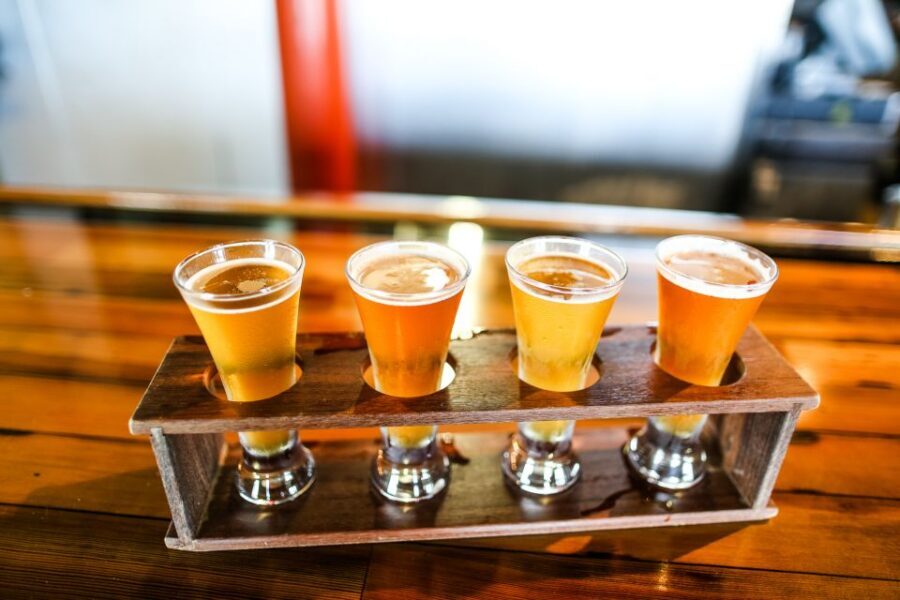
Key West is visual. This tour gives you a good reason to look up and look around.
You’re set up to capture photos of:
- bright flora
- artist murals
- landmarks and other details along the seaport
Because the route includes short pauses, you’re not sprinting past everything. You get time to frame shots without feeling like you’re holding up the group or missing the next tasting.
If you care about photos, wear something light and plan for quick changes in brightness and shade. The docks area can shift fast, and you’ll be stopping in different spots.
The Real Value of $90: What You’re Buying Besides Food
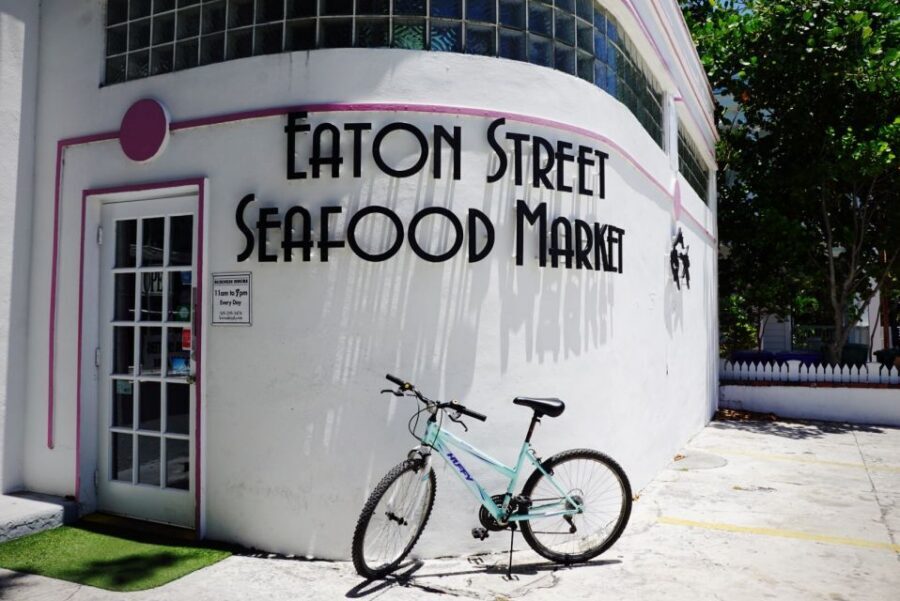
At $90 per person for 3 hours, the obvious question is: is it worth it? For me, the value comes from three things that money can’t always buy on your own:
1) You skip guesswork.
The tour does the hard part—choosing places along the historic seaport so you’re not wandering for an hour to find one good meal.
2) You eat more than snacks.
It’s described as enough for a hearty lunch. Add in multiple tastings (6 total), and you’re getting a meal-like experience rather than a quick nibble.
3) You get a repeatable memory tool.
You receive an e-recipe collection and a e-guide. That means you can recreate flavors at home and keep using the recommendations after your walking shoes are retired.
There’s also a practical perk: skip the line through a separate entrance. When you’re bouncing between busy places, small efficiency wins add up.
What This Tour Is Best For (and Who Might Want a Different Plan)
You’ll likely enjoy this most if:
- you want a first-day or early-trip plan to learn where to eat
- you like seafood but also want variety (not just one type of dish)
- you enjoy history that connects to daily life, not a long lecture
- you prefer a small group with room for questions
You might want to choose something else if:
- you don’t like walking (even though it’s only 1.5 miles)
- you prefer to pick your own restaurants without guided help
- you want a full drink experience beyond tastings (additional alcoholic beverages aren’t included)
After the Tour: Use the E-Guide and Coupons to Keep Eating Smart
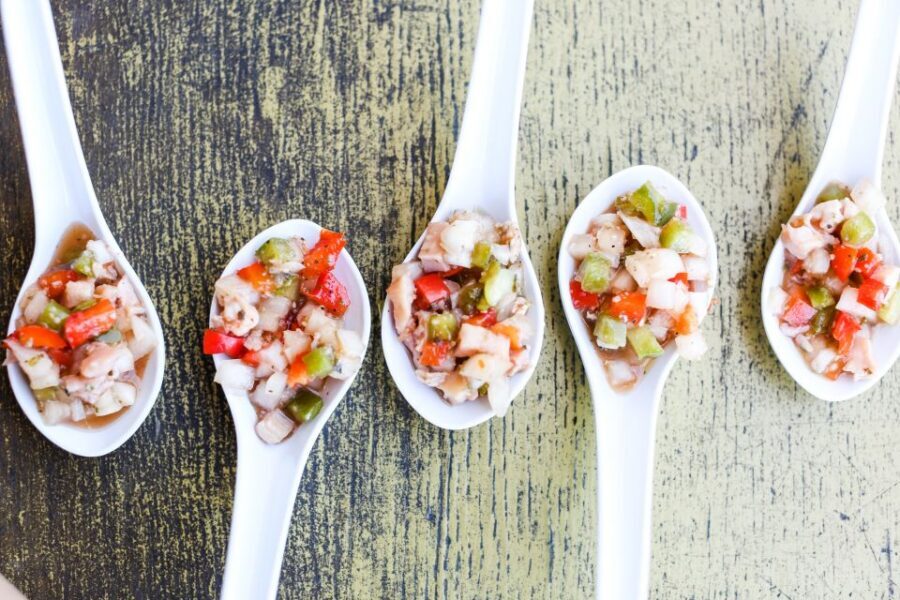
When you’re done, you’re not left with a vague “it was great” feeling. You’ll have:
- an e-guide of Key West with neighborhood dining and attraction recommendations
- a signature e-recipe collection
- shopping coupons and exclusive privileges when returning to partner restaurants
That follow-through helps you turn the tour into momentum. Instead of spending the rest of your trip trying to remember what you liked, you can order with confidence.
And since the tour is designed to help you bypass Duval Street tourist traps, you’ll likely find you’re more willing to explore beyond the obvious strip right away.
Should You Book This Key West Seafood & Seaport Tour?
I’d book it if you want a true Key West afternoon: food you can taste, stories you can use, and a route that keeps you off the most obvious tourist path. The small group limit, the focus on seaport culture, and the fact that it’s planned to feel like a hearty lunch make it a strong value at $90.
Skip it only if walking 1.5 miles over 3 hours is a deal-breaker for you, or if you’d rather spend your time making unplanned restaurant choices with no guide support.
If you’re traveling soon, this is one of those “do early” activities. It often shapes your whole itinerary for the rest of the stay.
FAQ
How long is the Key West seafood and seaport walking tour?
The tour lasts 3 hours.
How many tastings are included?
You’ll get 6 seafood or drink tastings across 5 tasting locations.
Where do I meet the guide?
Meet at Eaton St Seafood Market on the corner of William and Eaton St.
Is the tour wheelchair accessible?
Yes, it’s wheelchair accessible.
Are pets allowed?
Pets are not allowed, but assistance dogs are allowed.
What should I bring?
Bring a passport or ID card and wear comfortable shoes.
]]>I especially like the small group size (up to 14) because the guide can actually shape the day around what you’re looking for. And I also love that your lunch in Everglades City is built into the flow, not tacked on as an afterthought—plus snacks and drinks keep you fueled when you’re bouncing between stops.
One drawback to plan for: this is a proper wildlife day, which can mean mud and real wet conditions during the WET walk. Even when the walk is described as easy, it can get very wet depending on the route and conditions, so bring a full change of clothing and water footwear you trust.
Key highlights you should care about

- Biologist-led WET walk in Big Cypress: water shoes available, walking sticks provided, and you’re guided by a Florida Master Naturalist.
- Two different boat experiences: an airboat for the River of Grass region plus a cruise through the 10,000 Islands area.
- Endangered snail kite is on the radar: bird watching includes species tied to the Everglades ecosystem.
- More than gators: you also have big-bird viewing time and chances for other animals like dolphins, rays, turtles, and spoonbills.
- Stops that break up the day: Oasis Visitor Center, Ochopee Post Office, Smallwood Store, and Everglades City keep the pacing human.
Miami, then Everglades: the day moves like a story
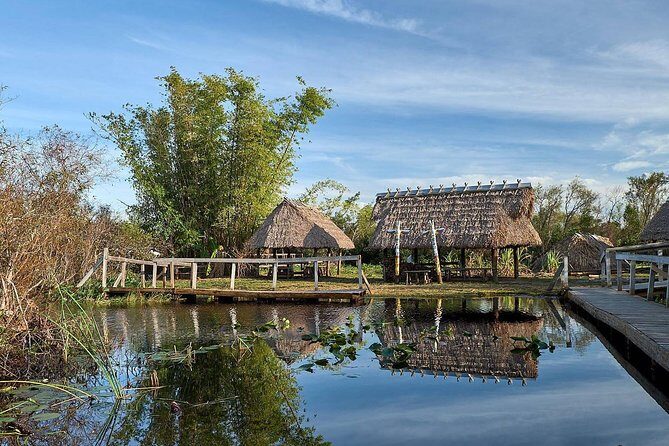
The day starts early, with pickup typically between 7:15 and 7:30 a.m. You’ll get the exact pickup time the evening before, with a short window to be ready. If you’ve ever done a tour that feels rushed at the beginning, this one tries to do the opposite: you get a narrated scenic drive out of Miami so you understand what you’re looking at once you’re actually in the Everglades region.
You’ll also be in a small group. That matters, because when the guide is managing wildlife spotting, timing for departures, and the wet walk logistics, a group that’s too big turns the day into traffic jams and split-second photo stops. Here, the cap of 14 travelers keeps it more personal.
From there, the route is packed, but it’s packed with purpose. Each stop changes the kind of habitat you’re seeing—grass flats, mangrove-ish edges, cypress canopy, open water and islands. That variety is the difference between a day that’s just sightseeing and a day that teaches you how the Everglades actually works.
Getting your bearings with a narrated Miami drive
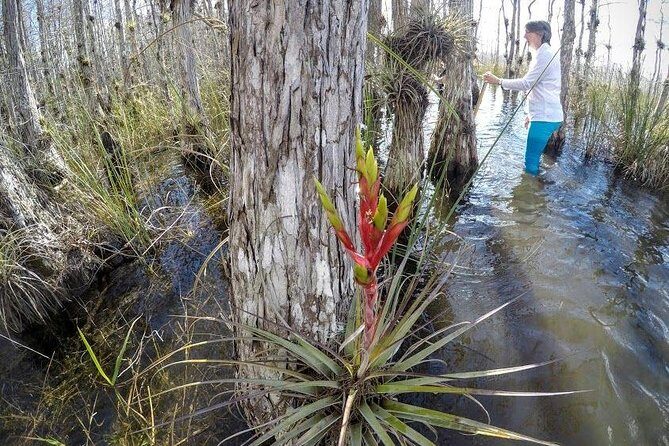
Before the wild stuff starts, there’s time for a narrated scenic tour of Miami. It’s not about ticking off famous murals—it’s about giving you context: what’s old, what’s new, and how a place like Miami connects to the natural systems farther south.
This part can sound like filler when you’re excited for animals. But it helps in a very practical way. When you later hear the guide talk about waterways, land use, and why certain wildlife shows up where it does, you’ll follow the thread faster if your brain already has the geography.
Miccosukee Indian Village: airboat time and tree-island villages
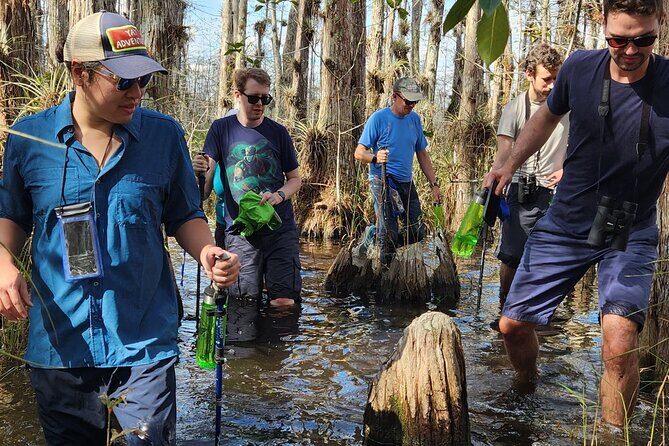
Your first major wildlife push is an airboat experience tied to the Miccosukee Indian Village area. The ride is about one hour, but the value is what happens around it: you’re not just driving across water, you’re learning why this region looks and behaves the way it does.
You may also stop at one or two native tree island villages, places where people lived close to the water long ago. Even if you’ve never studied this part of Florida, it’s a strong contrast to the glossy tourist image of South Florida. Here the story is remote, watery, and adapted—survival shaped by wetlands.
Wildlife watching is a big focus. This is where you’ll be looking for large and baby alligators, and bird species including the endangered Everglades snail kite (the guide may point it out if conditions and timing allow). A good airboat day isn’t just spotting—it’s spotting with guidance, so you know what you’re seeing and why it matters.
How this stop can feel
The ride is far from land for stretches, which is great for those open-view moments. The one consideration is simple: airboat tours are open-air. You’ll want sun protection, and if it’s hot, you’ll feel it during waits and transfers.
The River of Grass + Loop Road: a gator-spotting strategy
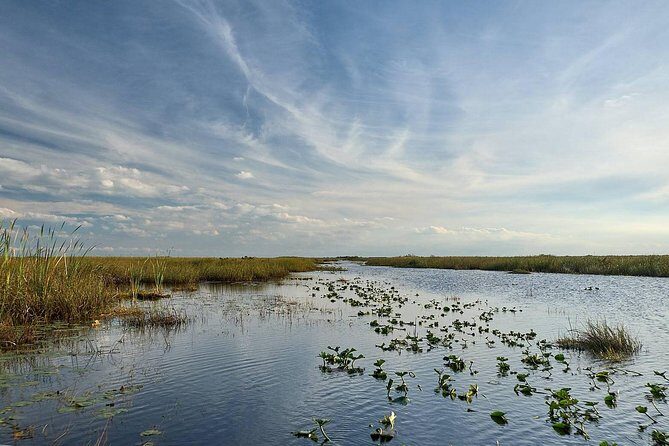
After the airboat segment, you’ll be taking in the Everglades as a system. You’ll watch how sun and clouds reflect off the water out in the so-called River of Grass. This isn’t just pretty scenery—seeing that flat, slow-water geometry helps you understand why the area supports so many different bird and reptile habits.
Then you’ll head off to Loop Road, where the goal is hidden spots and big animal potential. The pitch here is all about getting away from the obvious pull-off. When you’re looking for the largest alligators, that difference between “near the road” and “deeper access” can be the whole game.
You’ll also hear more about the remote way of life of people who inhabit the region. Even if you’re not looking for human history at every stop, it’s useful because it explains how people and wildlife share the same space, instead of treating the Everglades like a theme park.
Oasis Visitor Center and Ochopee Post Office: quick hits with value
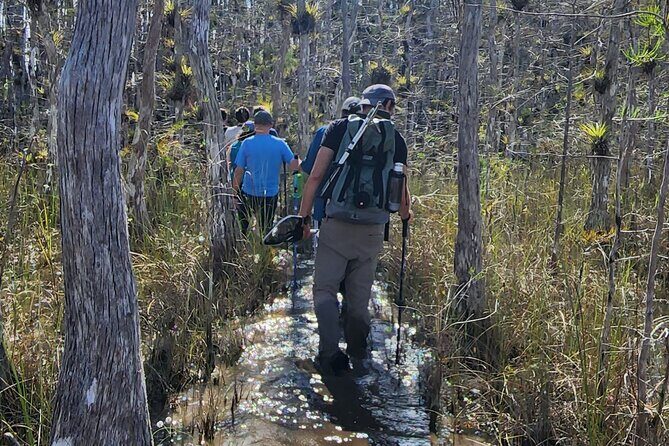
Two smaller stops do important work: they break up the travel and give you short windows for wildlife and local culture.
At the Oasis Visitor Center, you typically get lots of birds and a chance at super big alligators. These stops are short, but they’re the kind of short that keeps your eyes focused. If you’ve ever gotten “tour fatigue,” this is the antidote: you’re not trudging for hours without payoff.
Then there’s the Ochopee Post Office, a historic stop that feels like stepping into a simpler timeline. Even if you don’t care about postal history, it’s a nice reset. It also helps you appreciate that the Everglades story isn’t only about wildlife. It’s about towns built around difficult terrain and a changing environment.
Big Cypress National Preserve WET walk: where the day turns real

This is the heart of the trip—the swamp walk adventure in Big Cypress National Preserve with a Florida Master Naturalist guide. The guide leads you into the lush cypress canopy and the experience is designed to be personal and hands-on, not just a drive-by.
The walk is described as easy, and you take your time for locating wildlife and enjoying viewing. But “easy” and “dry” are two different things. Based on reports from recent trips, the WET walk can be truly wet, with people hiking in water that reaches as high as the hips. So treat this like an actual wet-weather hike even if the forecast looks fine.
What you should do before you go
- Bring a change of clothing (this is not optional comfort advice).
- Wear old sneakers or water shoes you can sacrifice.
- If you’re using the provided water shoes, use them correctly (and skip sandal-style footwear for a wet walk).
You’ll also have water shoes available to borrow and walking sticks provided. That helps a lot if your footing isn’t your strength. Still, you’ll be in a wet, natural environment—so expect uneven ground.
A good guide makes this stop. Several guides have been praised by name in recent reviews, including Randy and Zac (and also guides like Ryan). When the guide is confident, you learn to read the marsh. You stop asking only where the animals are and start noticing why they choose certain spots.
From swamp walk to scenic wildlife drive
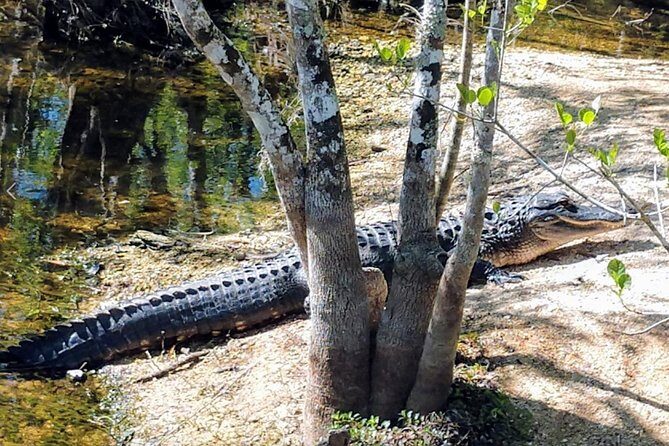
After the WET walk, the day doesn’t shove you back into straight travel mode. There’s a scenic wildlife drive. This is smart pacing. By then, your eyes adjust to the environment, and you’ve got more confidence spotting birds and animal movement.
This is also where you can get a larger sense of “ecosystem.” You’re moving through the Everglades area as something connected—cypress canopy to open watery stretches—rather than a set of isolated locations.
Lunch in Everglades City: fuel with a side of local texture
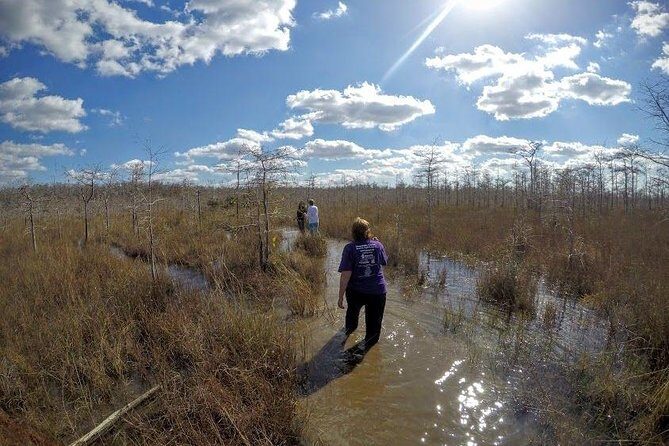
Lunch is included at a local cafe in Everglades City, and it’s more than a meal break. You also get a guided tour of the small town, which was once the county seat for Collier County. That adds grounding. You’re not just visiting land you can’t live on—you’re learning how communities formed beside it.
The lunch part matters for value. A day like this can drain energy fast: early pickup, sun, and a wet walk. By mid-afternoon, you’ll appreciate that the tour already handled the food and hydration.
Dietary options: lunch has options including vegetarian and vegan choices. If you have dietary needs, it’s worth planning your order when you have the chance, since the day’s structure depends on everyone moving through stops on time.
Smallwood Store: a time-capsule pause
Next up is the Smallwood Store, which feels like stepping into a time capsule. It’s a short stop, but it works because it’s a different kind of learning: less about wildlife spotting, more about local artifacts and the story of people living near the Everglades.
If you like the vibe of “quick museum moment” rather than endless browsing, this is timed well. It also gives your body a break after the wet walk and earlier boat time.
Chokoloskee and the 10,000 Islands boat trip
The final big nature hit is the boat trip in the 10,000 Islands area, taken from the Chokoloskee side. It runs about 1 hour 10 minutes, and it’s your second major boat segment of the day.
This is where the Everglades shifts from wetlands and airboat paths to open-water cruising through a maze of islands. You’ll be looking for marine wildlife and bird activity. In recent experiences, people have reported dolphins, plus other sightings like rays, turtles, spoonbills, herons, and raptors.
Even if you don’t see every animal in someone’s highlight list, the value of this segment is that it’s a different viewing perspective. On the water, you spot movement differently, and it’s a strong reminder that the Everglades region isn’t only “swamp.”
Who you’ll be riding with (and why the guide matters)
The tour is designed for a maximum of 14 travelers, which helps in two ways: you get more attention, and the guide can adjust how much time you spend on wildlife sightings.
Guide quality is repeatedly praised by name in recent reviews. You might be guided by people like Ryan, Zac (including Zac Babbitt), Lindsey, Freddie, Gary, Randy, or Ben. While you can’t guarantee the exact person, you can take confidence from the pattern: this company clearly invests in field-style interpretation, not only narration.
The biggest practical takeaway for you: ask questions when the guide is talking. If you’re into birds, say so early. If you care about gators, ask what timing and conditions improve odds. A small group tour is where those questions actually change what you see.
Price and value: what $389 actually buys you
At $389 per person, this isn’t a budget trip. But it can be strong value because so much is included:
- Hotel pickup and transfers across Miami, Hollywood, and Fort Lauderdale (with airport/cruise port transfers also possible within the operator’s zone)
- Park fees
- Two boat experiences (airboat + 10,000 Islands cruise)
- A guided WET walk with a Florida Master Naturalist
- Lunch in Everglades City plus snacks and drinks
- Water shoes to borrow if needed
- Walking sticks
- Refills of water (encouraging reusable bottles)
If you tried to piece this together on your own, you’d likely pay separately for transportation, entrance fees, and the specific guides needed for a wet walk. Here you’re paying for a full-day system: transport, interpretation, and timing.
The one thing to watch is that the day is packed and runs about 9 hours. If you want lots of free time or slow pacing, this may feel like “action all day.” If you want a course-corrected route through the Everglades, it’s a good fit.
Practical tips so you don’t hate the wet parts
This tour asks you to show up ready for real outdoors conditions, especially around the WET walk.
Bring:
- A change of shoes and pants for after the wet walk
- A reusable water bottle (refillable water is provided)
- Sunscreen, sunglasses, and a hat
- A light jacket for cooler winter mornings or when you’re on open boats
- Bug protection (you’ll be outside in wet areas)
Wear:
- Old sneakers or true water shoes you’re comfortable losing traction in
- Avoid sandal-type footwear for wet walking
Also note:
- The airboat ride uses open-air seating, so you’ll want weather comfort figured out.
- Pregnancy isn’t recommended due to the airboat.
Should you book this Everglades biologist-led tour?
Book it if you want the Everglades covered in one day with a guide-driven plan: airboat for the grass flats, a Big Cypress WET walk with a Florida Master Naturalist, and a 10,000 Islands cruise for a different kind of wildlife and scenery. The small-group size, included meals and drinks, and the fact that stops are spaced out rather than nonstop driving make it feel efficient without feeling cheap.
Skip it (or at least think twice) if you hate getting wet, want a super relaxed pace, or need a day with lots of controlled indoor time. This is an outdoors wildlife day, and the WET walk is not a symbolic puddle.
If that sounds like your kind of trip, you’ll likely love the way this day stitches together the Everglades into one coherent experience—so you leave with stories, photos, and a clearer sense of how the ecosystem actually works.
FAQ
Where is the tour’s meeting point?
The tour starts at Miccosukee General Store, 36073 SW 8th St, Miami, FL 33194. The tour ends back at the meeting point.
What time is pickup?
Hotel pickups are typically between 7:00 a.m. and 7:30 a.m. You’ll receive your exact pickup time the day before.
How old do you have to be to join the WET walk and boat trips?
This tour is appropriate for ages 8 and over, and all guests must be at least 8 years old.
Will I get wet during the WET walk and airboat ride?
You should plan for the WET walk to be properly wet. The airboat ride has minimal splashing, and you’ll only get wet if you visit on a rainy day.
Do I need to bring water shoes and a change of clothes?
You’re encouraged to bring a change of clothing. Water shoes are available to borrow, and you can also bring old sneakers, but bring footwear you can handle in wet conditions.
Is lunch included, and can you handle vegetarian or vegan options?
Yes, lunch is included, with options including vegetarian and vegan.
How long is the airboat portion?
The airboat cruise is approximately one hour long.
]]>The small-group size (limited to 7) keeps things relaxed, and guides such as Mike and Danielle tend to mix history with conversation so questions don’t get brushed off. Expect all-weather touring—ponchos are provided—plus smart details like skip-the-line entry at the start through a separate entrance. If you’re picky about seafood or conch, flag it early, because conch shows up in more than one form.
Key Things That Make This Tour Worth It
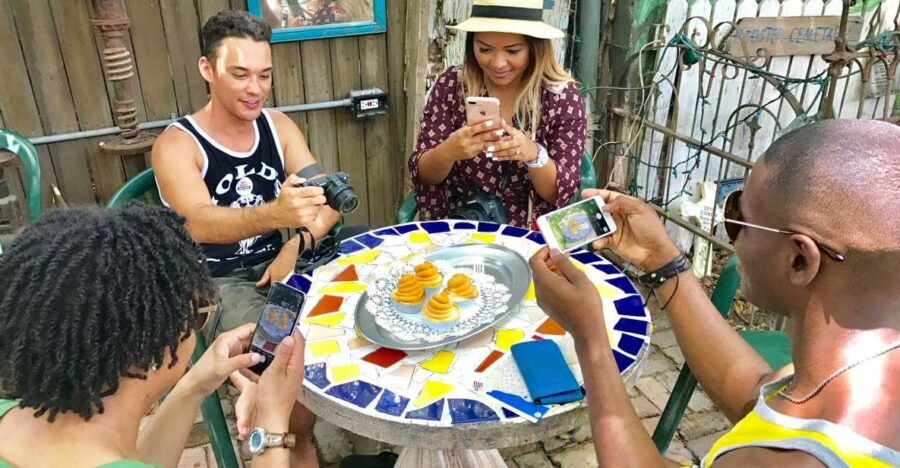
- Five tastings that collectively add up to a hearty meal, not five sad bites
- Cuban and Caribbean influence explained through food, not just facts on a timeline
- Historic Old Town walking with stops chosen for local, family-owned flavor
- Small group (7 max) for better pacing and more guide time per person
- E-guide + recipe collection so you can recreate the vibe after you get home
- Ponchos in bad weather so your plans don’t collapse with the clouds
Cuban and Caribbean Flavor in Key West: What You’re Actually Eating
Key West’s food culture doesn’t come from one place. It’s shaped by island trade routes, Cuban neighbors, and the everyday habits of families who ran kitchens for generations. On this tour, that mix comes through in what you taste and why it exists.
You’re not just sampling “popular dishes.” The stops are picked to connect Cuban and Caribbean influence to Key West staples—especially seafood-forward comfort food and citrusy desserts. And because the tour is built around multiple venues, you get a sense of how different neighborhoods and restaurant types contribute to the same overall Key West identity.
One thing I love is that the guide keeps the story tied to the plate. You hear how certain ingredients fit local industry and culture, then you taste the result moments later. It turns the walking route into a kind of open-air classroom—without killing the fun.
Meeting at El Siboney and the 7-Person Old Town Rhythm
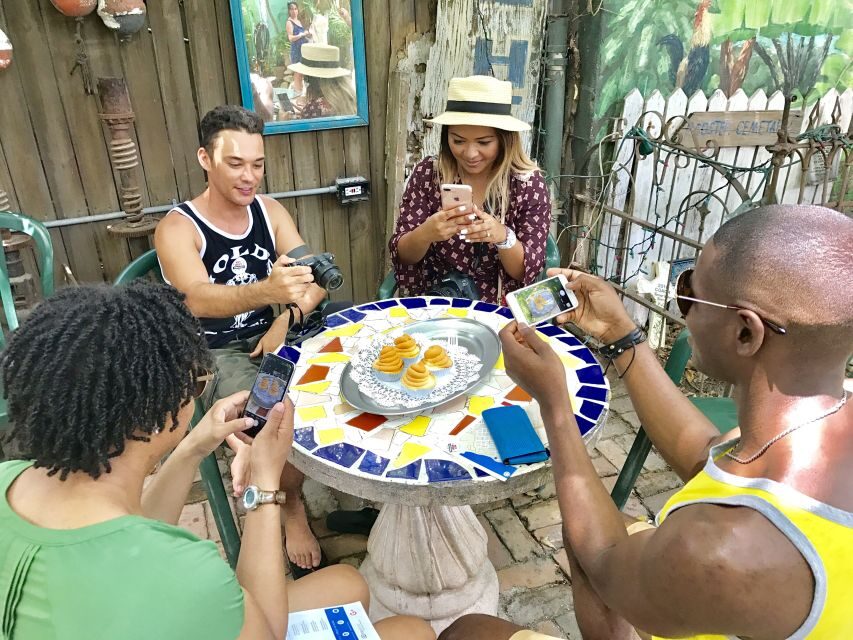
You meet your guide at El Siboney Restaurant, 900 Catherine St. Getting there early helps because you’ll want to start fresh—sun and humidity in Key West can sneak up on you fast.
This tour runs as a small group limited to 7 participants, which matters more than you’d think. With fewer people, the guide can adjust pacing, answer questions as they pop up, and keep the timing from turning into a stressful herd herding exercise. In past tours, guides like Marissa and Mike have kept the vibe casual and easy, which helps you actually enjoy the “between stops” moments too.
There’s also skip-the-line help through a separate entrance. That sounds minor, but it reduces wasted time when a place gets busy, and it keeps the day from feeling like you’re waiting around for food you haven’t even reached yet.
Stop-by-Stop: The Five Tastings That Add Up to Lunch
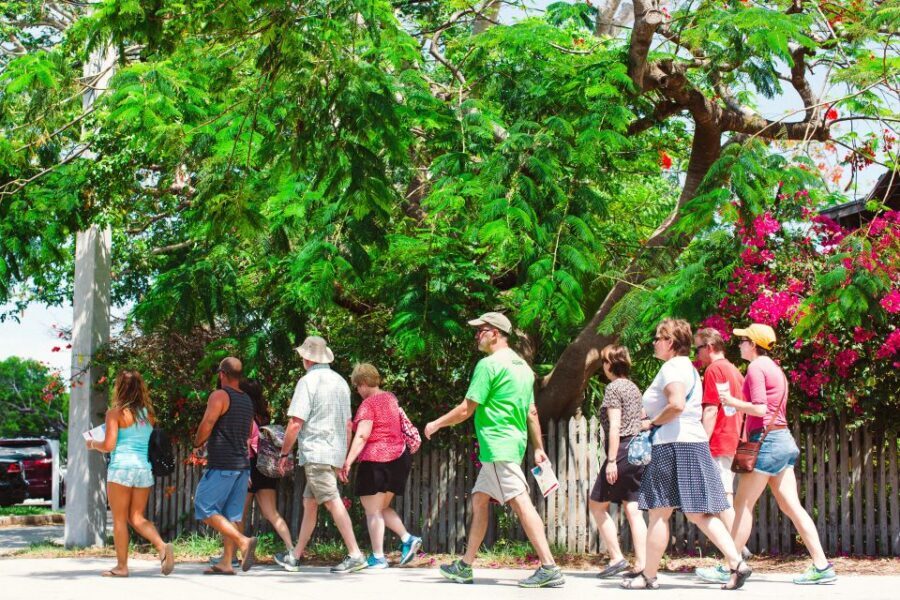
This tour is built around five different locations with tastings planned to cover Key West’s “must-try” flavors. You’ll move from spot to spot in historic Old Town, usually hitting a mix of classic seafood fare, Latin-Caribbean influences, and the kind of dessert people argue about.
Because exact menus can vary by day, I’ll focus on what the tour is clearly designed to include, plus how each stop tends to feel in the flow of the walk.
Stop 1: Conch in Classic Key West Form
One of the headline tastings is conch—often served as conch fritters. This is a great first course because conch fritters give you texture right away: crisp outside, flavorful inside, and very Key West in spirit.
One practical note: conch is seafood. If shellfish isn’t for you, tell your guide at the beginning so they can guide you on what’s possible within the tour structure.
Stop 2: Island-Style Fish Tacos
Another stop centers on fish tacos, another Key West signature that reflects Caribbean seasoning habits and coastal practicality. This is the tasting that usually feels lighter than the fritter bite, so it resets your palate before the tour shifts into more comfort-food territory.
If you like sauces and citrus notes, this is often the moment you’ll start paying attention to how different restaurants balance salt, spice, and acidity.
Stop 3: A Cuban-Caribbean-leaning “Local-Only” Plate
Mid-tour, the guiding idea is that you’ll hit family-owned ethnic restaurants and “hole in the walls” that visitors might not find on their own. The theme is Cuban and Caribbean influence, so expect the menu choices to reflect that heritage through flavors and cooking styles—not just branding.
This is the stop that often makes people say, I wouldn’t have picked this place alone. And that’s the point: Key West is full of restaurants, but local habits are the shortcut to the best ones.
Stop 4: Key Lime Pie for the Classic Finish
Dessert on this tour isn’t an afterthought. Key lime pie shows up as one of the tastings, which is exactly what you want in the second half of the walk. Lime cuts through the earlier savory flavors, and the tart-sweet balance is pure Key West.
It’s also a smart pacing choice. Dessert later in the route means you’re not full too early, and you’ll still have room to enjoy the final stop without feeling stuffed.
Stop 5: Another Done-Right Local Favorite
The final tasting rounds out the picture—another classic stop chosen from locally loved eateries, often offering a last flavor that ties the theme together. Sometimes that final stop leans savory; other times it leans sweet or snacky, depending on what the day’s venues are serving.
One review-style hint I’ll share as advice: don’t treat this like a “just a little sampler.” Even when individual portions aren’t huge, the five stops collectively turn into a full meal. I’d skip breakfast beforehand if you want the tastings to feel properly satisfying.
The Walking Part: Why the Neighborhood Story Matters
This tour doesn’t separate food from place. Between tastings, you’re walking through historic Old Town and learning how neighborhoods and landmarks shaped daily life.
Your guide talks about local industry and Key West’s past, including the kinds of colorful details that don’t show up on a generic brochure. What makes it click is the timing: you get a bit of story, you see (or walk past) a landmark, then you eat again. It keeps your brain engaged while your feet do the work.
Guides like Chris and Larry have been noted for pacing and Q&A, which is useful if you want specific answers—like which areas feel most “locals eat here,” or what to do next after the tour ends.
How You Leave the Tour Better: Recipes, Recommendations, and Coupons
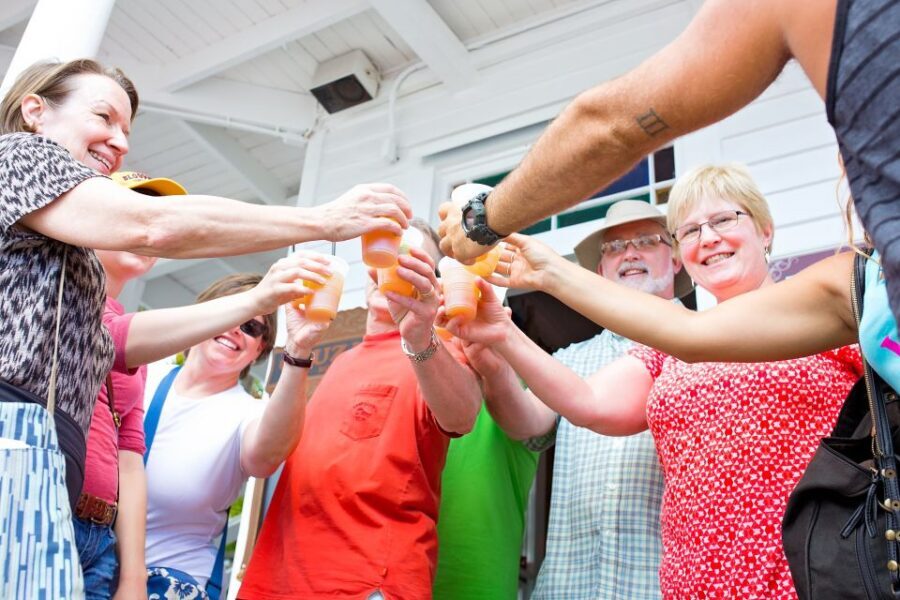
The tour package doesn’t vanish at the last bite. You receive an e-guide booklet of Key West with neighborhood dining recommendations, plus an exclusive e-recipe collection so you can recreate the flavors later.
That matters if you’re here for more than one day. Key West can feel repetitive if you only rely on what you’ve heard before. The neighborhood recommendations help you plan your remaining meals around where you’ve already learned to look.
You also get shopping coupons and discounts at partnering restaurants. I wouldn’t treat that as the main reason to book, but it’s a nice practical bonus—especially when you’re already in “I want one more meal” mode after your tastings.
Weather, Sun, and the Walking Reality

Key West weather can change fast, and this tour runs in all conditions. Ponchos are provided if needed, which is a relief when you’d rather not abandon your plans mid-storm.
What you should bring is simple and non-negotiable:
- Comfortable shoes for uneven sidewalks and lots of stop-and-go walking
- Sun hat, sunscreen, and camera
- Comfortable clothes for heat and humidity
Also, plan for a decent amount of walking between places. One caution I strongly agree with from real-world experience: if you’re using bikes or plan to rely on a parked vehicle, make sure you’re not accidentally creating a long “walk back” situation at the end. The tour itself is only 3 hours, but Old Town distances add up.
Who Should Book This Key West Cuban and Caribbean Food Tour
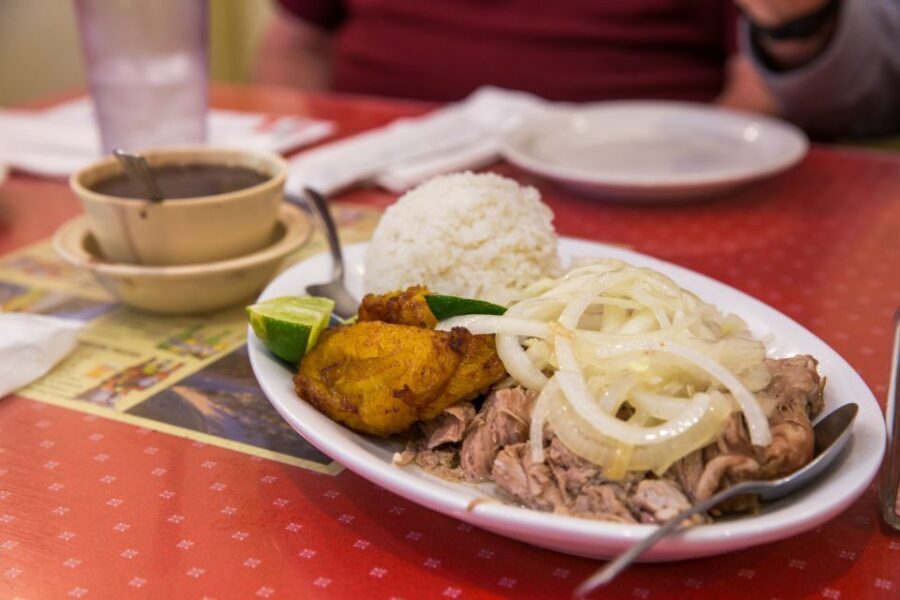
Book it if:
- You want a focused food tour with actual stops and a meal-like result
- You like Cuban and Caribbean influence and want it explained through what you eat
- You prefer small groups and a guide who talks with you instead of over you
- You’re new to Key West and want neighborhood confidence fast
Skip it or ask questions first if:
- You dislike conch or have seafood restrictions (conch appears as a notable tasting)
- You can’t do a multi-stop walking route comfortably
- You’re hoping for a mostly “sit and snack” experience
Should You Book This Tour?
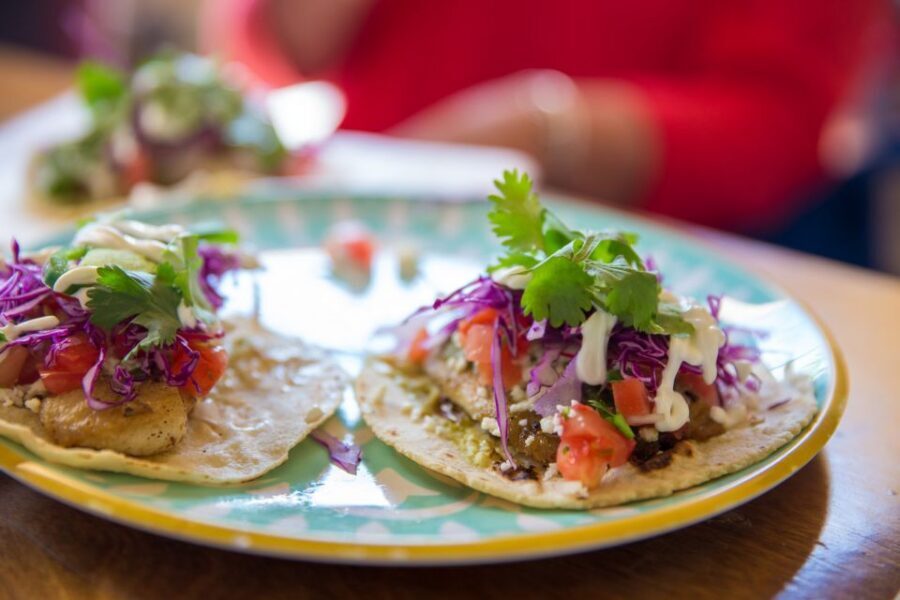
Yes, if your idea of a great Key West day includes walking Old Town, eating your way through Cuban and Caribbean flavors, and getting a guide to explain what you’re seeing and tasting. This tour’s value is in the combination: five tastings, local stories, and practical take-home tools like recipes and dining recommendations.
If you’re the type who plans meals with care and wants fewer tourist traps, you’ll likely feel like you hit the local fast lane. Just come ready for the sun, bring the right shoes, and keep your breakfast light—this is built to feed you.
FAQ
How long is the Key West Cuban and Caribbean Food and Cultural Walking Tour?
The tour lasts 3 hours.
How many food tastings are included?
You get five food tastings.
Where is the meeting point?
Please meet your guide at El Siboney Restaurant, 900 Catherine St.
Is the tour a small group?
Yes. It is limited to 7 participants.
Is the tour wheelchair accessible?
Yes, the tour is wheelchair accessible.
What should I bring?
Bring your passport or ID card, comfortable shoes, sun hat, camera, sunscreen, and comfortable clothes.
Are pets allowed?
Pets are not allowed, but assistance dogs are allowed.
]]>You start with round-trip pickup in the Miami and Fort Lauderdale area and head into Everglades National Park for a guided walk through wetland habitats, then you switch gears to an airboat ride designed for big wildlife encounters. What I like most is the combo: ecosystems first, then the adrenaline of gliding through the grasses to look for alligators up close.
I also really like the culture piece, especially the historic Miccosukee Indian village stop, where you learn customs tied to living with the wetlands. One thing to consider: there’s a moderate amount of walking, so wear solid shoes and don’t plan on keeping it completely low-effort.
Quick hits: what makes this outing work
- Hotel pickup across Miami Beach, Miami, Fort Lauderdale, Hollywood, and Hallandale Beach
- Naturalist guide walk through Everglades ecosystems, including tropical hardwood hammock habitat
- Binoculars and insect repellent/sunscreen included (so you can travel lighter)
- Airboat time at the launch site with a focused wildlife search
- A Miccosukee village visit for cultural context tied to the wetlands
- Small-group feel on some departures, which helps the guide keep an eye on everyone
Getting There From Miami: Pickup That Saves Your Day
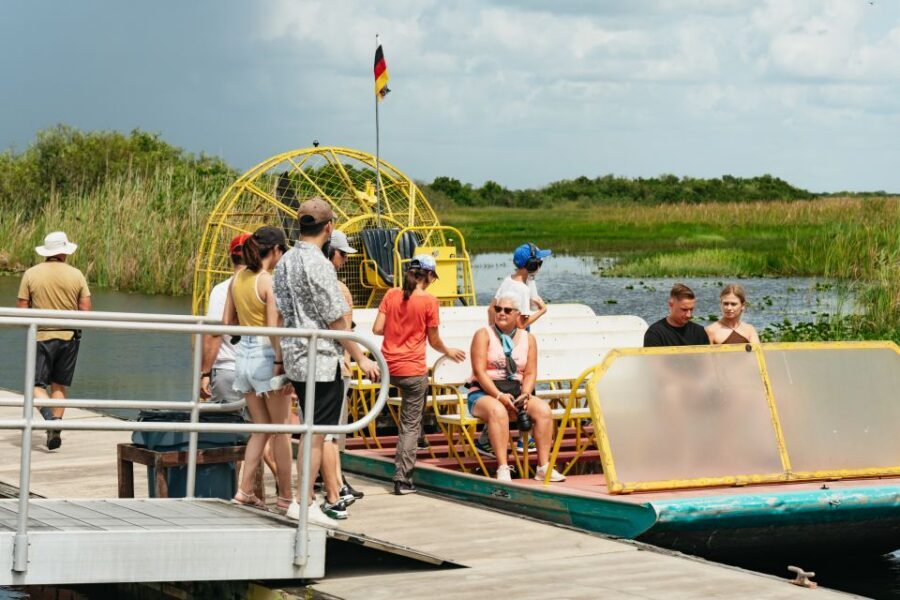
This is one of those tours where the logistics matter more than you think. You get picked up from one of five areas—Hallandale Beach, Miami Beach, Fort Lauderdale, Hollywood, or Miami—and you’re not left playing “where does the bus meet?” on a packed travel schedule.
After pickup, you’ll ride in a brand-new sprinter-style vehicle toward Everglades National Park. The drive is not treated like empty time. It’s part of the experience, with scenic views along the way and eco-focused talk that sets you up for what you’re actually looking at once you get there.
A practical note: you’re asked to be ready at your pickup point at least 10 minutes early, and the tour includes an express-style security check (so you’re not stuck in long lines before you even start). That combo makes the whole day feel smoother, especially if your schedule is tight.
The Park Walk: Tropical Hardwood Hammock and Wildlife Time
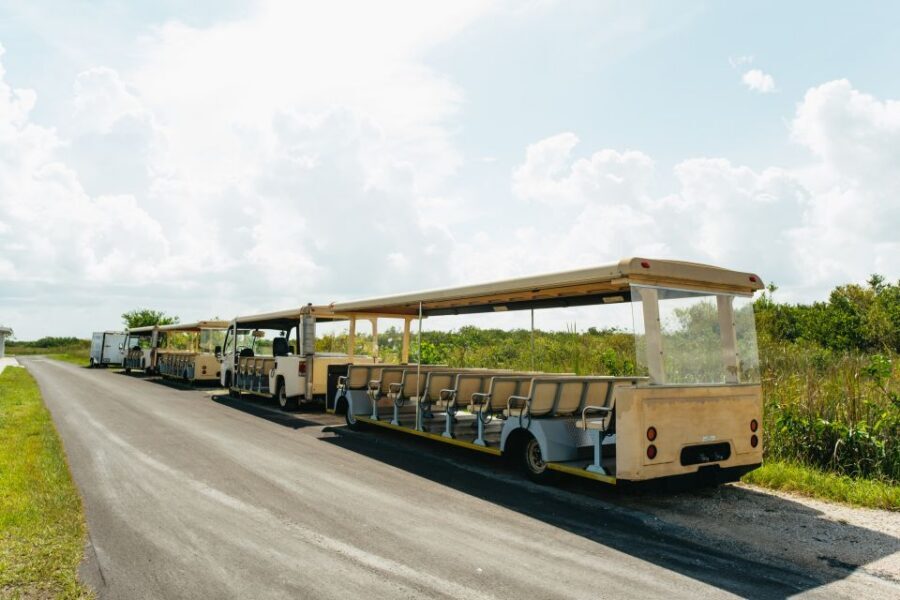
The heart of the outing is a guided park walk, led by a naturalist guide. This isn’t a “stroll until you get hungry” situation. You’re walking through Everglades habitat with explanations that connect plants, animals, and the wetland’s needs.
One habitat type you’ll spend time in is a tropical hardwood hammock. That matters because it’s not the classic, flat grassy marsh most people picture. Hammocks are higher and more forested, and they act like a different ecological neighborhood—one where you’re more likely to spot birds, learn about plant relationships, and notice how animals use cover.
Expect a moderate amount of walking. It’s not described as strenuous, but it is active enough that you’ll want closed-toe footwear and a basic sun-and-bug plan. The tour provides sunscreen and insect repellent if needed, plus binoculars, which is helpful because you’re meant to actually look at wildlife—not just hear about it.
In terms of what you see, the tour is built around wildlife viewing in their natural habitat. Based on guide-led experiences described by people who’ve done this day, you can come away spotting alligators, birds, and other small wildlife. The exact mix varies—this is wild habitat—but the structure gives you multiple chances to slow down, look longer, and understand what you’re seeing.
The Ecosystem Lesson That Makes the Gators Make Sense
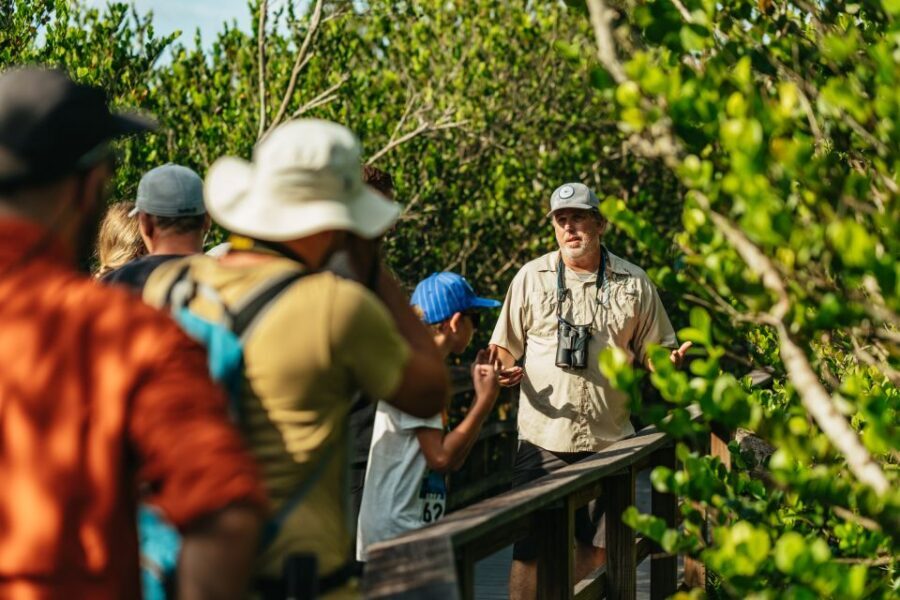
Yes, the alligators are the star. But what makes this tour feel worth the time is the explanation layer. The guide talks about Everglades ecosystems and why the park’s plant communities matter.
This is where I think the tour’s value really shows for first-timers. If you only do the airboat, you’ll probably remember the thrill and maybe a close sighting or two. If you add the guided walk, you start seeing patterns: where animals linger, how different habitats support different species, and why the Everglades aren’t just one kind of scenery.
Guides seem to bring different strengths, but a common thread in praised experiences is how the guide uses real-time nature spotting to teach. Some groups highlighted that their guides made it easier to understand what’s medicinal or important about certain plants, and that they encouraged good animal observation techniques—like slowing down and reading movement in the grasses.
If you care about wildlife photography, this is also a strong day. People mentioned guides who were especially supportive with animal spotting and photo moments, which helps you turn “I saw something” into “I got it on the lens and I understood what I was looking at.”
Airboat Time: Gliding Through Grasses for Close Alligator Viewing
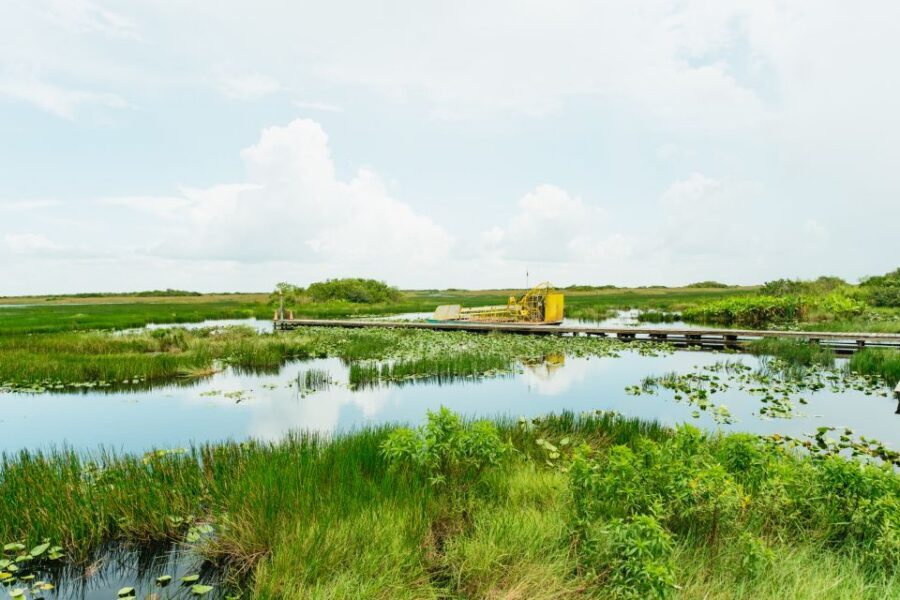
After the walk, you head to the launch site for your airboat ride. You’re there long enough to get oriented, and then you get your real glide time on the water.
The description highlights a 1-hour airboat ride, and the overall airboat block is listed as 2 hours. Translation: there’s time wrapped around the ride itself—getting situated, driving to the right spot, and then the actual encounter time.
This is the moment you’re likely waiting for if your main goal is classic Florida wildlife. Airboats are built for this environment: shallow waters, grassy expanses, and the kind of terrain where other boats would struggle. That’s why you can get close to alligators in their natural setting, instead of viewing from far away.
Wildlife isn’t guaranteed on any single pass, but the experience is designed to search and scan actively. Many people came away seeing multiple alligators, and some even noted the presence of baby alligators in their sightings. February has been mentioned as a good month by some groups, but the bigger takeaway is simple: the route and timing are set up to maximize wildlife viewing, not just scenic cruising.
One ethical consideration is worth addressing plainly. Some visitors felt that alligators appeared stressed by the proximity of the boat. You can’t fully control how wild animals react to human activity in the moment. What you can do is keep perspective: this tour emphasizes wildlife in natural habitat rather than captive animal shows, but being close means you’re seeing real animals dealing with real disturbances. If that kind of discomfort would bother you, consider it before booking.
Miccosukee Village Stop: How Wetlands Shape Culture
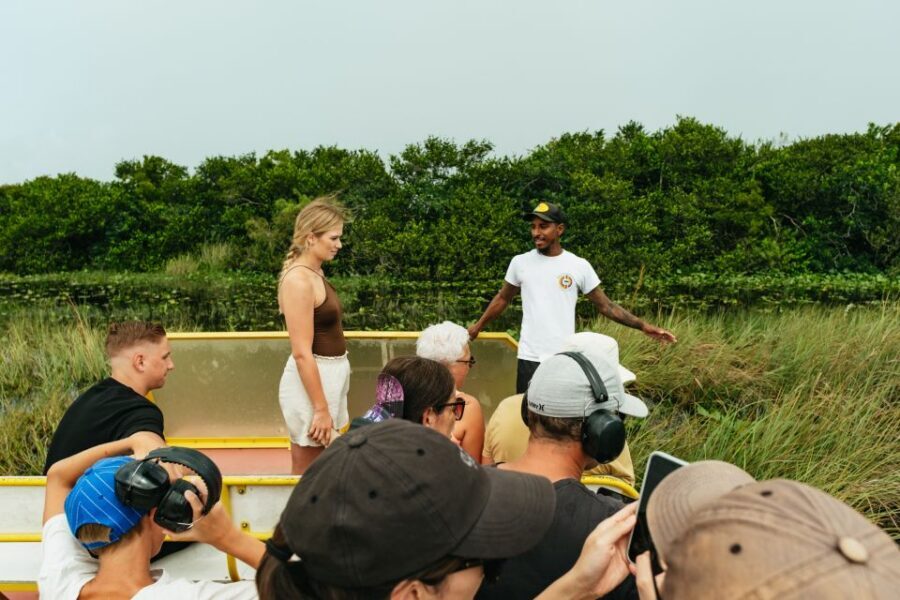
Between the park and the boat, you also get a historic stop at a Miccosukee Indian village, exclusive to the airboat company. This is not just a quick photo stop. You’re there to learn about customs and daily ways of life connected to the wetlands.
I like this part because it adds context. The Everglades aren’t only an animal habitat. They’re also home territory, and the people connected to the Miccosukee reservation have shaped how this environment is understood and protected.
You’ll get cultural and historical information directly tied to the way the Miccosukee people used and lived with the wetlands. A few praised moments include learning about how their impact helped preserve the environment and hearing clear explanations from the native guide at the reservation. The village stop gives you a human scale to the ecosystem story you started learning on the walk.
In one experience, visitors wished the village stop included more explanation. That’s a fair heads-up for anyone who wants the cultural piece to feel more time-rich. Even so, if your ideal day includes both wildlife and real-world context, this stop is a major differentiator versus doing a standard airboat ride alone.
Price and Value: What $189 Includes (and Why That Matters)
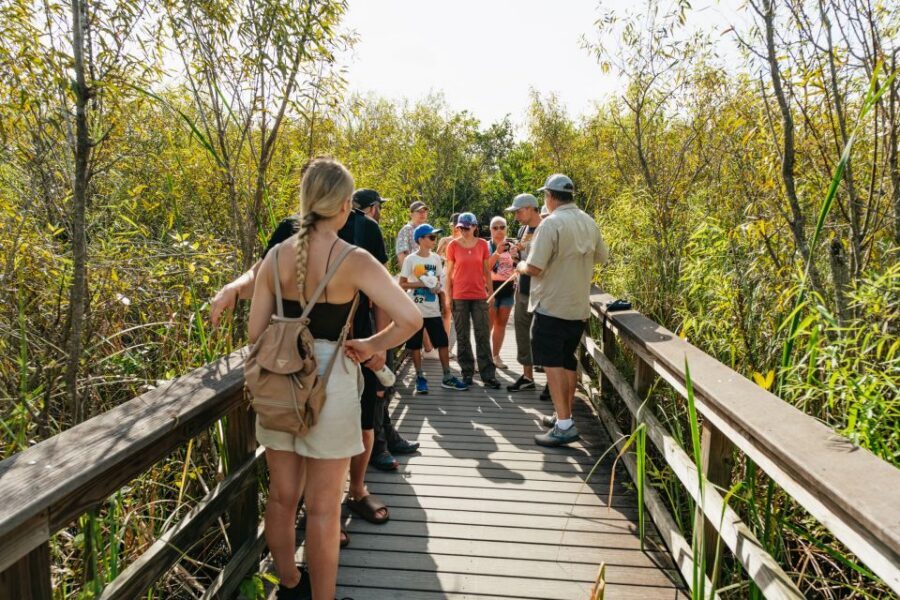
At $189 per person, this is not a bargain tour. But the price starts to make sense when you look at what’s included.
You’re getting:
- Everglades National Park entrance fees
- A naturalist guide
- Round-trip transportation from the Miami/Fort Lauderdale area
- Snacks and drinks
- Binoculars, plus sunscreen and insect repellent if needed
- A souvenir park map
That’s a lot of the hidden costs that add up on your own: park entry, guides, vehicle time, and basic field supplies. The tour also adds value by combining two formats in one day—walk and airboat—and by including the Miccosukee village stop rather than treating culture as an optional extra.
People also praised how the experience can feel less like a huge, chaotic tourist machine. One standout theme was that the outing felt quieter and more personal compared with more generic airboat operations. That matters because your wildlife viewing improves when the group isn’t pushing through constantly.
The one drawback for price sensitivity is that you are paying for a guided, permitted, full-day ecosystem + wildlife + culture package. If you only want a quick boat ride, this will feel like more money than you need.
Timing, Walking, and Weather: Plan for Wind and Comfort
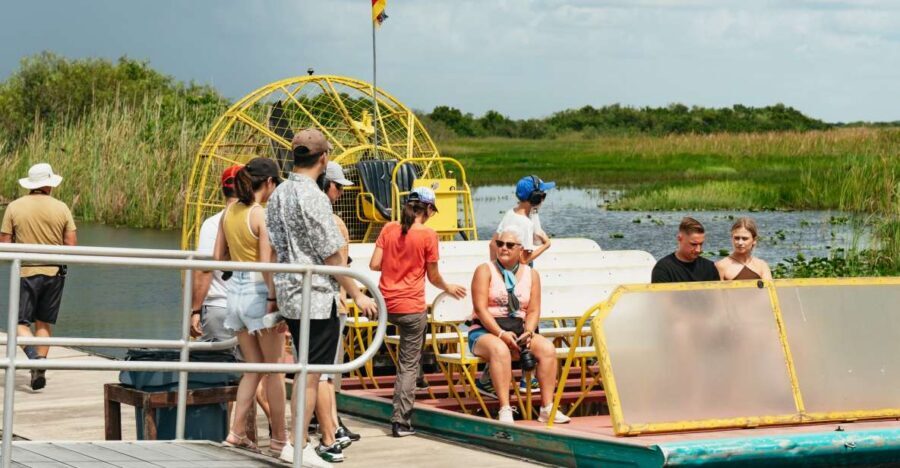
The total duration is listed as 330 minutes, about 5.5 hours. That’s a sweet spot for many people: long enough to feel like you actually did something meaningful, short enough to keep your evening plans alive.
Walking is described as moderate. Plan to move through uneven natural areas. Bring shoes you trust for dirt and humidity. Even though the tour provides insect repellent and sunscreen if needed, you’ll feel more comfortable if you pack your own familiar option too.
Weather can swing fast in South Florida, and one set of experiences mentioned being cold and windy with ponchos provided. That’s a useful signal: even if you think it’s going to be warm, bring a light layer and expect breezes.
Also note what you’re signing up for physically: this is not a sit-back-and-scroll tour. The guide wants you looking, listening, and staying aware. In exchange, you get a deeper wildlife experience than you’d get from wandering on your own.
Who This Tour Is For (and Who Might Prefer Something Else)
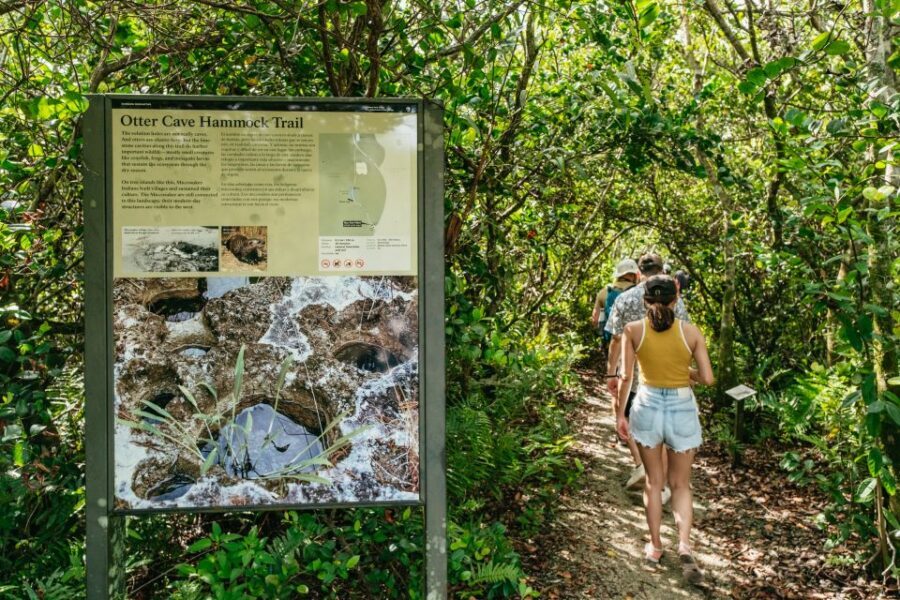
This is a strong fit if you want:
- A guided wildlife outing where you learn what you’re seeing
- A day that blends ecosystems, not just gators
- A cultural stop tied to how people live in the wetlands
- Hotel convenience in the Miami/Fort Lauderdale area
It’s also a better choice for people who value permitted, certified operations. This is described as one of the few certified and permitted operators for Everglades National Park and Big Cypress National Preserve, which matters if you care about doing things the right way.
Who might rethink it: families with very young kids. It’s not suitable for children under 4, so if you’re traveling with toddlers, you’ll need a different plan. Also, if you’re extremely sensitive to the idea of being close to wildlife when animals might react to boats, you should take that into account.
Finally, this tour tends to work best when you’re flexible and curious. You’ll get the most out of it if you’re willing to slow down, scan, and ask questions—not just chase the first alligator you see.
My Take: Should You Book the Everglades Airboat Ride and Nature Walk?
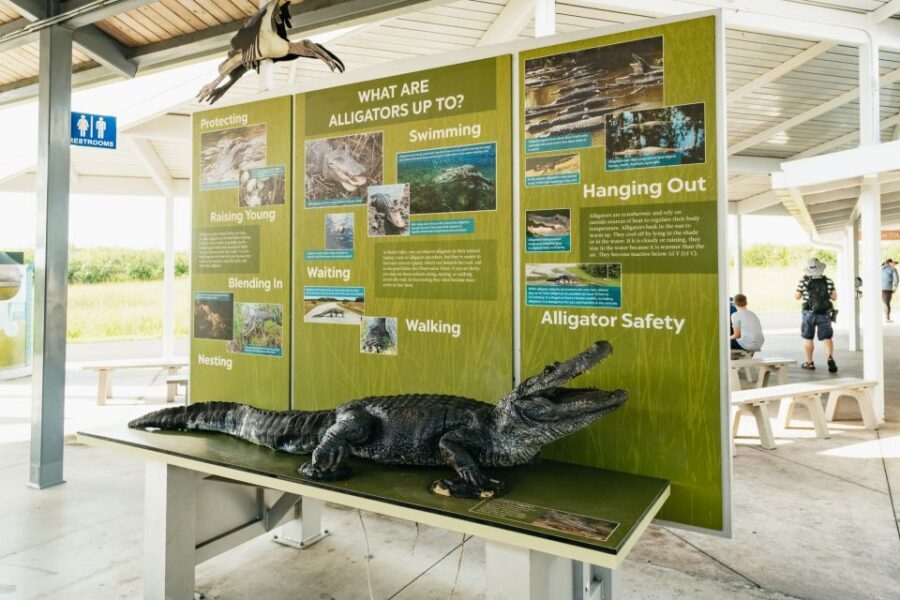
I’d book this if your goal is to see the Everglades the way it’s meant to be experienced: with a naturalist guide walking you through ecosystems, followed by real airboat viewing, and capped with a Miccosukee cultural stop that adds meaning beyond the photos.
It’s especially good value if you don’t want to piece together park logistics, guide time, and transport. The included items—binoculars, snacks and drinks, and entrance fees—also help you feel set up for the day.
I would skip or swap to something simpler if:
- You want minimal walking and zero field time
- You’re only after one thrill moment and don’t care about ecosystem learning or village context
- You’re uncomfortable with the reality that wild animals may react to human activity during close viewing
If you book, you’ll probably walk away with more than a memory. You’ll have a better mental map of how the Everglades works—and why all those different species show up where they do.
FAQ
FAQ
How long is the tour?
The total duration is listed as 330 minutes, with the park portion and airboat portion built into that time.
Where are the pickup locations?
Pickup is offered from Hallandale Beach, Miami Beach, Fort Lauderdale, Hollywood, and Miami, plus hotel pickup options in the greater Miami and Fort Lauderdale area.
Is transportation included?
Yes. Round-trip transportation from your hotel in the greater Miami or Fort Lauderdale areas is included.
What do I do during the park portion?
You join a naturalist guide for a walk in Everglades National Park, learning about ecosystems and visiting different habitats while looking for wildlife.
How long is the airboat ride?
The description highlights a 1-hour airboat ride, and the airboat segment of the schedule is listed as 2 hours total.
What is provided during the tour?
Entrance fees, a naturalist guide, snacks and drinks, and items like binoculars, sunscreen, and insect repellent if needed are included, along with a souvenir map.
What language is the tour guide?
The tour guide is English-speaking.
Are children allowed?
Children under 4 years old are not suitable for this activity.
Can I cancel and get a refund?
Yes. Free cancellation is available up to 24 hours in advance for a full refund.
What if I want flexibility with payment?
There is a reserve and pay later option, letting you book your spot and pay nothing today.
]]>