REVIEW · MIAMI
Cigar Factory Tour in Little Havana, Miami
Book on Viator →Operated by Casa Habano · Bookable on Viator
Cigar making is full of surprises. This hour-long stop in Miami’s Little Havana walks you through the tobacco story, then shows the real hand-rolling steps in a working shop setting. You’ll start with cafe cubano and end with a cigar in hand—plus a behind-the-scenes look at where Florida’s cigar industry grew from Cuban roots.
What I like most is the hands-on feel of the leaf stage and the way the host connects craft to culture. I also love that you get a clear view of the process at the GALERA—from sorting and aging to de-veining, twisting, rolling, and packing. One thing to consider: this is not set up for allergies, so if you have sensitivities, you should think twice before booking.
In This Review
- Key Takeaways Before You Go
- Walking Into Casa Habano on Little Havana’s Calle Ocho
- The Tobacco Story: From Seeding to Sorting
- The GALERA Walkthrough: Sorting, De-Veining, and Hand-Rolling
- Primary Process: Sorting and aging you can actually see
- De-veining: the critical step most people miss
- Twisting & Rolling: the 3-step build of a premium cigar
- Packing: label and distribution after further aging
- The Included Food and the One Complimentary Cigar
- Price and Value: Why $35 Often Feels Fair
- How Much Time You’ll Actually Spend (And What to Expect)
- Practical Tips That Make the Tour Easier
- Should You Book Casa Habano’s Cigar Factory Tour?
- FAQ
- How much does the cigar factory tour cost?
- How long is the tour?
- Where is the meeting point?
- Is the tour offered in English?
- What’s included during the tour?
- Do you get a cigar at the end?
- Is there a group size limit?
- What should I wear?
- What is the cancellation policy?
Key Takeaways Before You Go
- Cafe Cubano welcome sets the mood right when you enter Casa Habano in Little Havana
- Seed-to-sort process is explained with a video, then reinforced on the production floor
- GALERA manufacturing stages show sorting, de-veining, twist-and-roll, and packing
- Watch master rollers at work and get time for questions during the steps
- Includes 1 complimentary cigar plus coffee, pastries, and snacks
- Small group cap of 10 keeps the tour from feeling like a factory line
Walking Into Casa Habano on Little Havana’s Calle Ocho
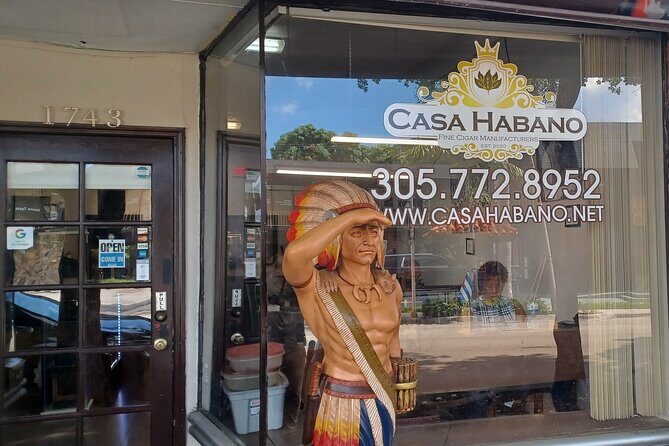
Your tour starts at 1743 SW 8th St, right in the heart of Miami’s cigar-and-Cuban culture zone. When you arrive, you’re not heading into a museum display. You’re stepping into a family-style cigar operation where the craft is still the main event.
The first real win is the welcome drink. Each person is greeted with Cuban coffee, called Cafe Cubano. It’s not just a prop. It’s a sensory warm-up so you can connect what you’ll see next—leaves, scents, and the work itself—to a familiar flavor. Then the session moves quickly into learning mode, with video footage that covers the tobacco path from seed to the factory.
Also, expect a more personal vibe than a big chain tour. The group size is capped at 10, which matters. You get a better chance to ask questions and actually hear the answers instead of catching only the loudest bits over a crowd.
You can also read our reviews of more tours and experiences in Miami.



The Tobacco Story: From Seeding to Sorting
The tour begins with a video that lays out the full system you might not realize is so layered. You’ll see the stages from seeding and germination, then planting, curing, fermenting, and sorting of tobacco leaf. That sequence is the skeleton of cigar making, and it helps you understand why cigars can taste so different even when they look similar.
Here’s the thing I found useful: the video gives you the logic, and the tour on the floor gives you the proof. After the video, the tour shifts into history and context, including how commercial cigar rolling in Florida grew out of small-scale operations started by Cuban immigrants in the 1830s. The story then connects to the rise of Florida’s cigar identity and names you might hear tied to Ybor City era growth, like Vicente Martinez Ybor and Eduardo Manrara.
If you’re someone who thinks of cigars as a single product, this part adjusts your thinking. You start to see them as a chain of choices: what kind of leaf, how it’s processed, how it’s aged, and how it becomes a wrapper, binder, and filler blend.
The GALERA Walkthrough: Sorting, De-Veining, and Hand-Rolling
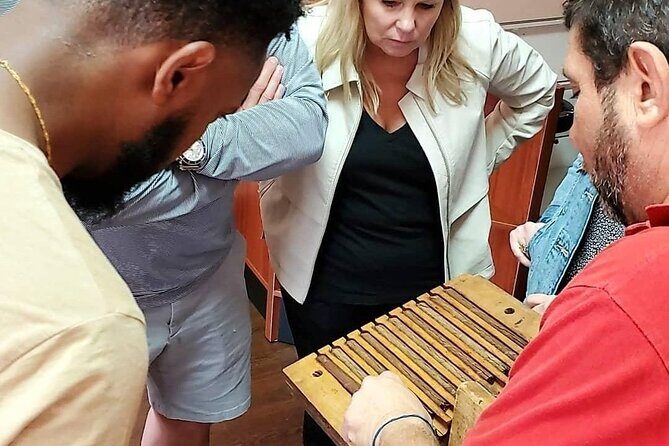
The heart of the tour is the GALERA—the production space where you experience what changes from stage to stage. The setup is designed so you can watch without feeling shoved behind a glass wall.
Primary Process: Sorting and aging you can actually see
The first stop inside the GALERA is the PRIMARY PROCESS stage. This is where different types of tobacco and the aging process come into view. You’ll learn how tobaccos get sorted, and you’ll start to understand why “aging” isn’t a vague word here. It’s a real step that affects how leaf behaves and how it contributes later to the final cigar.
If you like agriculture and processing, this is the part where your brain clicks into place. You’re not just watching someone roll. You’re seeing the work that makes rolling possible.
De-veining: the critical step most people miss
Next is DEVEINING, and it’s one of those steps that sounds simple until you learn why it matters. The center vein gets removed, and you’re shown how it’s done. This isn’t a “nice to have” step. It’s a key preparation process that affects texture and burn quality.
In plain terms: it’s the kind of detail that separates a cigar that feels flat from one that feels balanced.






Twisting & Rolling: the 3-step build of a premium cigar
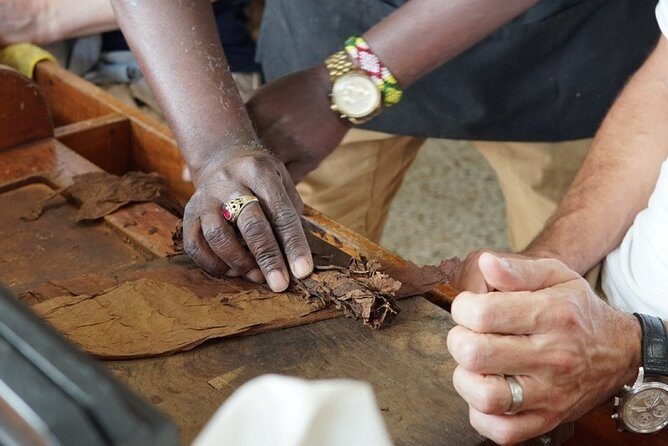
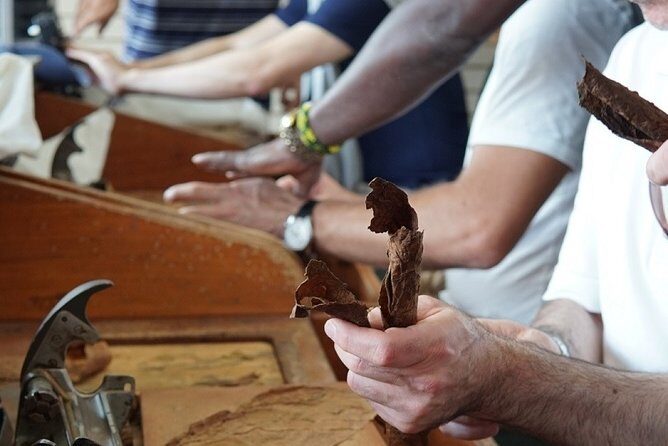
Then comes the craft you came for: TWISTING & ROLLING. The tour explains cigar construction as a three-step process. You’ll see the master torcedores twisting, binding, pressing, and rolling premium cigars.
This is also where the host’s personality helps. Rene (the owner/host) has a clear passion for the craft, and it comes through in how he narrates the steps. One of the most praised parts of this experience is the moment you get to see the skilled rollers work close up—hands moving with purpose, and the routine looking both fast and careful at the same time.
Packing: label and distribution after further aging
Finally, you see PACKING after the cigars are rolled and continue to undergo further aging. Once the aging stage is done, cigars get labeled and packaged for distribution.
This ending matters because it closes the loop. Many cigar tours stop at rolling. Here, you get the practical truth that the product doesn’t instantly become finished just because it’s shaped. Time and storage still matter.
The Included Food and the One Complimentary Cigar
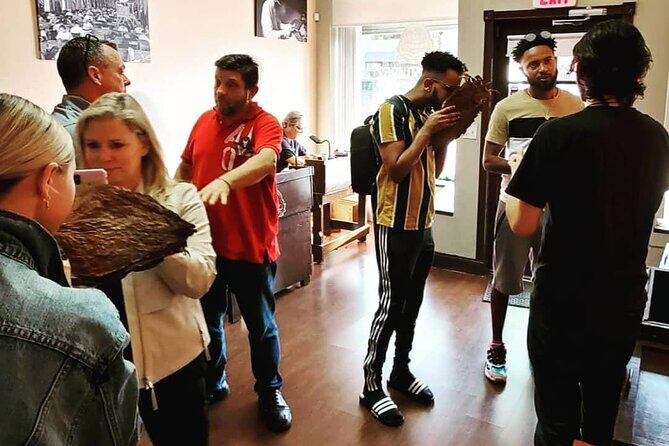
This tour is built around more than watching. You get coffee, pastries, and snacks during the visit. That’s a real value add in Miami heat, and it keeps the hour from turning into a lecture marathon.
At the end, you’re invited to enjoy one complimentary cigar. It’s not just a souvenir. It’s a way to take the lesson home, because you can taste the difference in how leaf and construction show up in a finished cigar.
One important note: this is a real working shop, not a glam studio. That’s good for authenticity, but it also means the experience stays focused on production and craft, not showy staging.
Price and Value: Why $35 Often Feels Fair
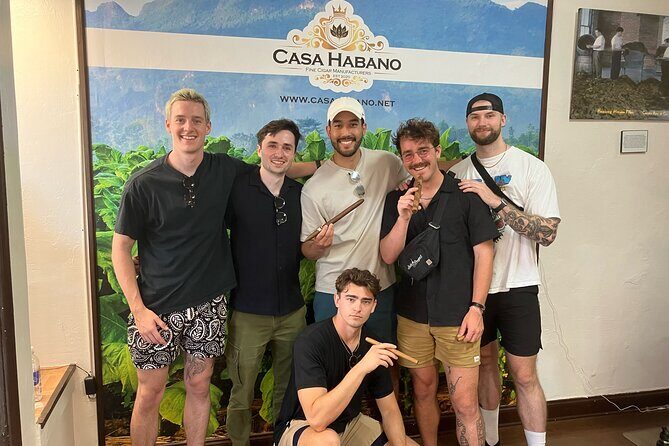
At $35 per person for about an hour, this sits in the “worth it if you care” category. The value works for you if you want:
- A structured explanation (video plus floor walkthrough)
- Close views of multiple manufacturing stages
- A take-home cigar plus Cuban coffee and snacks
If you’re only after the generic idea of cigar culture, you might feel this is more specific than you need. But if you want the how and the why behind cigar making, this pricing makes sense for what’s included and for the small group size.
The tour is also described as booking about 30 days in advance on average. That’s a hint that it’s popular. If your trip dates are fixed, don’t wait until the last week.
How Much Time You’ll Actually Spend (And What to Expect)
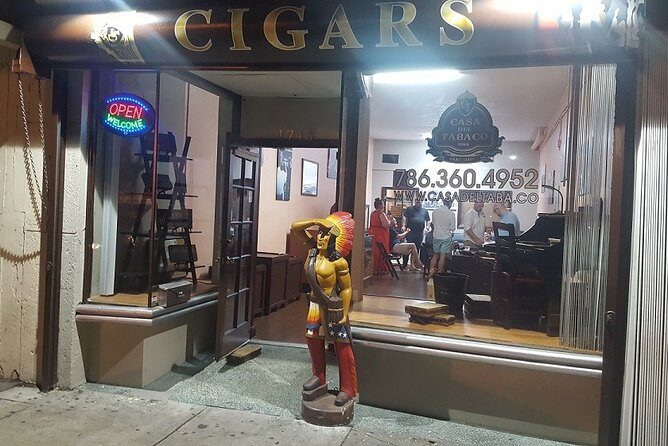
The tour runs around 1 hour. In that time you’ll move through:
- a coffee greeting
- a video covering seeding through sorting
- history of commercial cigar rolling in Florida
- a guided walk through the GALERA stages (primary process, de-veining, twisting and rolling, then packing)
- a complimentary cigar at the end
Because it’s compact, it’s best for people who want a focused experience without half-day commitments. It also means you’ll likely leave with a clear mental map of cigar production, even if you don’t smoke.
Also, come with curiosity. Ask about how different tobacco types get sorted, or how the de-veining step changes the leaf. You’ll get the most out of the tour if you treat it like a Q-and-A you can steer.
Practical Tips That Make the Tour Easier
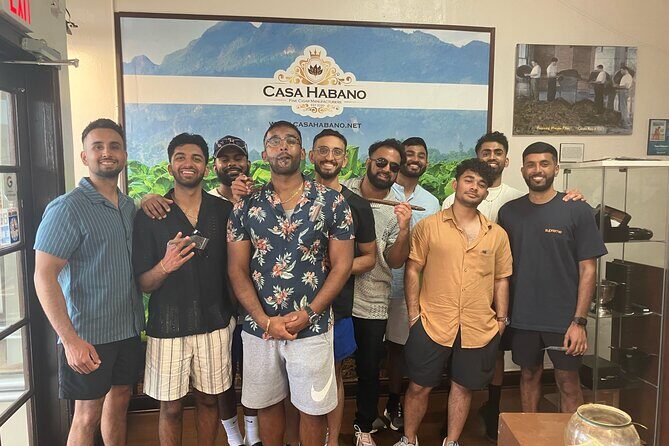
A few small things can save you discomfort:
- Wear closed shoes, since it’s a working production environment.
- If you’re sensitive to strong smells, remember that you’ll be in contact with tobacco leaf scents as part of the experience.
- Adults are preferred, and most people can participate, but the tour is not recommended for travelers with allergies.
If you’re going as a non-smoker, that’s fine. The craft explanation and the production walkthrough are the point. If you do smoke, plan for the fact that the take-home cigar may tempt you into buying more. The shop sells cigars on site, so you’ll have choices right there after the lesson.
And because the group stays small (max 10), you don’t need to rush to ask questions. You can take your time and still get answers.
Should You Book Casa Habano’s Cigar Factory Tour?
Book it if you want a real cigar making experience with a structured explanation and close-up views of actual steps. It’s a strong choice for:
- couples and families who want something different in Miami
- history and agriculture lovers who like production details
- cigar smokers who want a better understanding of construction and leaf handling
- first-timers who want to learn without feeling judged
Skip or think hard first if you have allergies or strong sensitivities, because the experience includes tobacco leaf exposure and a working shop atmosphere.
If you’re deciding what to do in Little Havana, this is one of those activities where the price feels reasonable once you see the flow: coffee to start, process steps in the GALERA, and a cigar at the end.
FAQ
How much does the cigar factory tour cost?
The price is $35.00 per person.
How long is the tour?
It lasts about 1 hour.
Where is the meeting point?
You meet at 1743 SW 8th St, Miami, FL 33135, USA. The tour ends back at the meeting point.
Is the tour offered in English?
Yes, the tour is offered in English.
What’s included during the tour?
You’ll get Cuban coffee at the start, plus pastries and snacks during the visit.
Do you get a cigar at the end?
Yes. During the tour, you’re invited to enjoy one complimentary cigar at the end.
Is there a group size limit?
Yes. The maximum group size is 10 travelers.
What should I wear?
For safety, wear closed shoes.
What is the cancellation policy?
You can cancel for a full refund up to 24 hours before the experience starts. Within 24 hours, refunds are not available.