REVIEW · NAPLES FLORIDA
Naples, FL: Manatee, Dolphin, 10,000 Islands Beach Eco Tour
Book on GetYourGuide →Operated by Manatee Sightseeing & Wildlife Adventure · Bookable on GetYourGuide
Florida wildlife, up close and slow. This 3-hour Naples-to-the-10,000-Islands boat outing is built around real-time spotting in the mangroves, plus a beach stop on Whitehorse Island. I like the focus on wildlife watching (manatees, alligators, dolphins, and colorful birds) and the fact you actually get white sand beach time instead of just driving past it. The one drawback to keep in mind: animal sightings can vary day to day, so it’s smarter to come for the experience, not a guaranteed checklist.
You’ll meet at the Port of the Islands Marina, dock D, and slip into a covered boat with shade—nice when Florida is already running warm. I also like the practical photo setup: you get polarized sunglasses and polarized phone camera lenses to help cut glare on the water. If you’re hoping for nonstop action every minute, the pace is more “watch and listen” than “thrill ride.”
In This Review
- Key things that make this tour work
- Leaving from Port of the Islands Marina (dock D)
- Why the mangrove cruise is the real attraction
- Manatees and alligators: the slow search
- Birds overhead and along the mangroves
- How the dolphins-and-wake moment usually plays out
- Whitehorse Island beach time (and why tide matters)
- The polarized lens trick: why your phone photos improve
- Guides make it feel personal (Andy, Becky, and the Captains)
- Price and value: what $129 gets you
- Weather realities: plan for a good day on the water
- Who this tour suits best
- Should you book it? My decision rule
- FAQ
- FAQ
- How long is the Naples, FL: Manatee, Dolphin, 10,000 Islands Beach Eco Tour?
- Where do I meet for the tour?
- What’s included in the tour price?
- Do I need to bring food and drinks?
- Is alcohol allowed on the tour?
- What should I wear or bring for Whitehorse Island?
- What happens if the weather is poor?
- Is the tour wheelchair accessible?
- What if the tour doesn’t meet the minimum number of travelers?
Key things that make this tour work
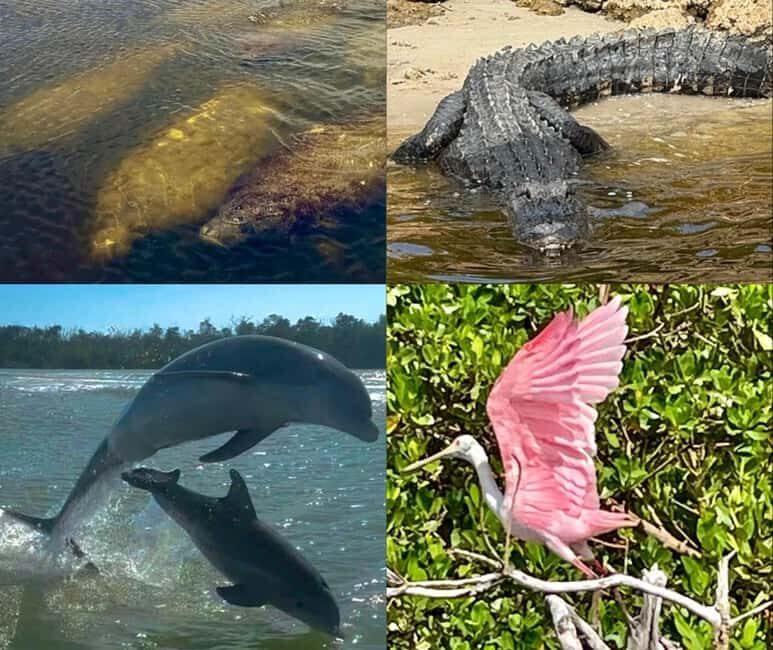
- Mangroves + wildlife timing: you cruise through mangrove areas where manatees and alligators tend to hang out.
- Dolphins in the wake: you keep an eye on the boat’s path for playful dolphins.
- Whitehorse Island beach break: a genuine stroll and shell-hunt on soft white sand.
- Photography aids included: polarized lenses for your phone help you see what the water is doing.
- Small-group feel: fewer people generally means easier spotting and more room to take photos.
- Guides matter: guides like Andy, Becky, and Captains Wes, John, Chris, and Ed are repeatedly praised for reading the day and teaching as you go.
Leaving from Port of the Islands Marina (dock D)
This tour starts at the Port of the Islands Marina in Naples, at dock D. It’s an easy setup: you’re close to the water, you meet your guide, and you get settled before the boat heads out into the harbor and bay. The covered boat section matters more than you’d think. When the sun gets bright, shade helps everyone stay comfortable enough to actually watch instead of getting cranky.
The vibe is also oriented toward spotting. Your guide isn’t just driving; they’re helping you scan. That’s a big deal in places like the Everglades of Naples and the Ten Thousand Islands area, where animals can be right there and still hard to see—especially when they’re dark against mangroves or low in the water.
You can also read our reviews of more tours and experiences in Naples Florida.
Why the mangrove cruise is the real attraction
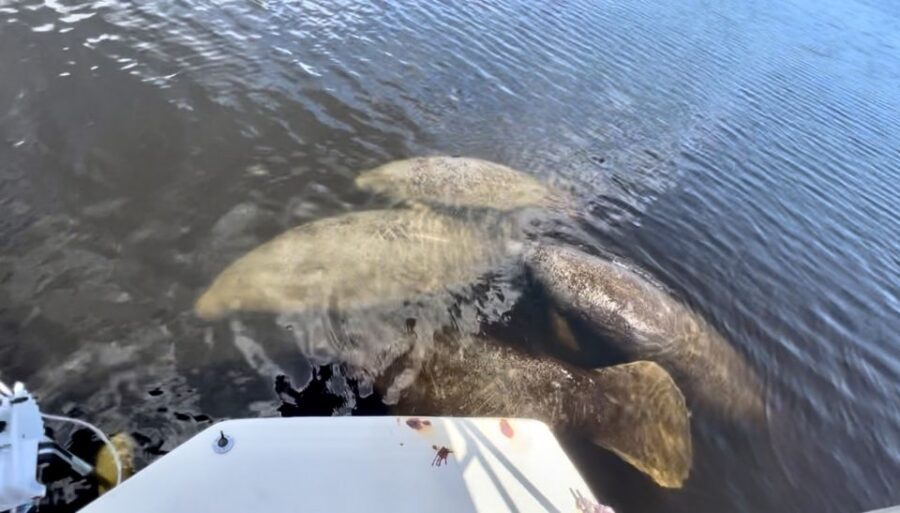
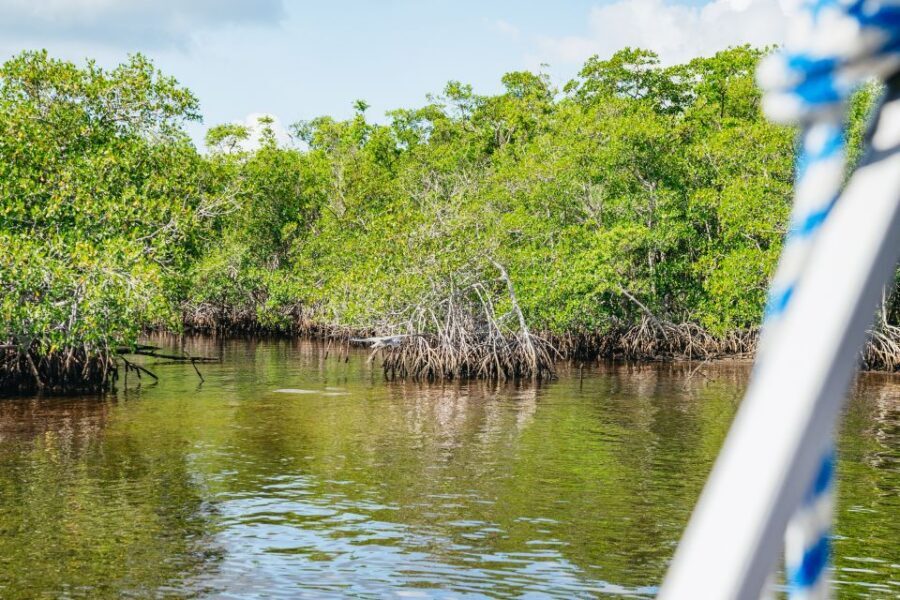
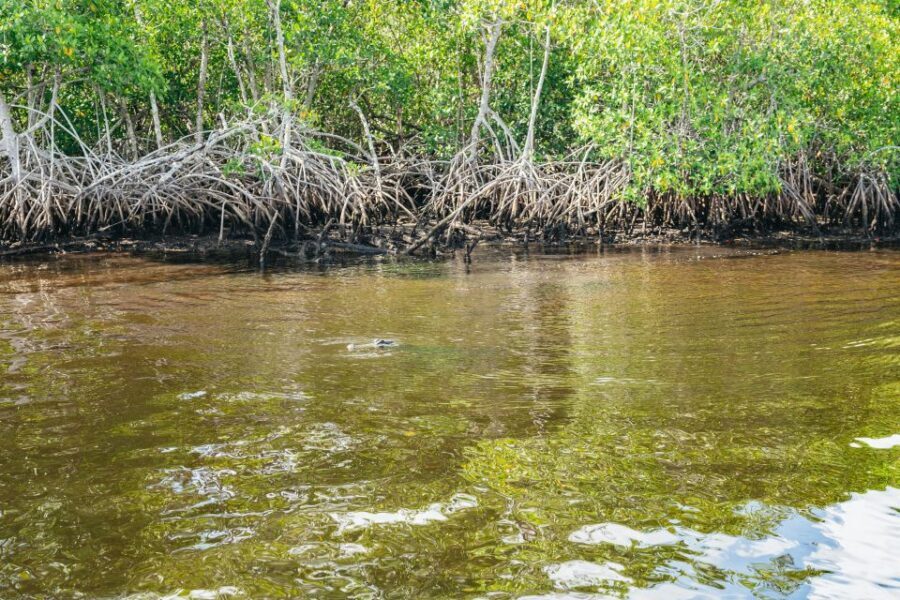
Once you’re underway, the tour leans into the Everglades-style habitat: mangrove forests, shallow-water edges, and the kind of water where wildlife uses cover. This is the part that makes the trip feel different from a simple harbor cruise.
Manatees and alligators: the slow search
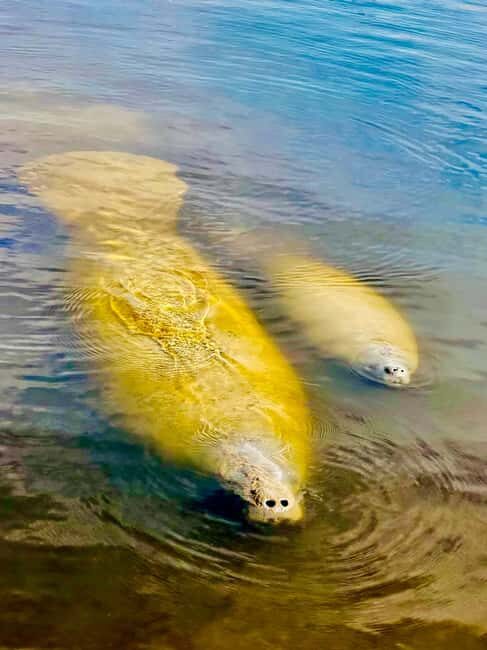
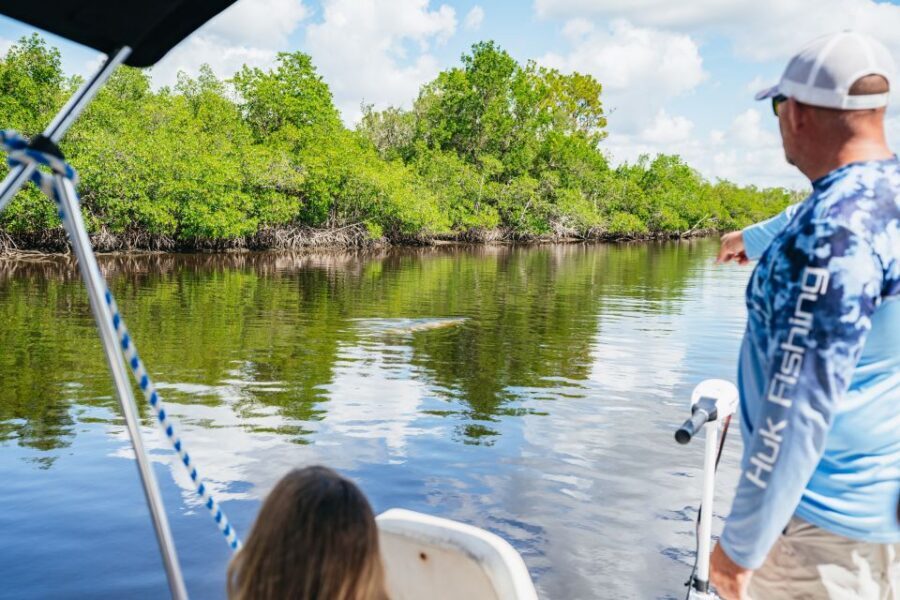
You’ll be looking for manatees and alligators around mangroves. The key is patience. Manatees can be subtle—sometimes you only catch a hint of movement or a glimpse near structures. You’re also cruising with an actual purpose: your guide is watching too and helping you know where to look, like along edges and around sheltered spots.
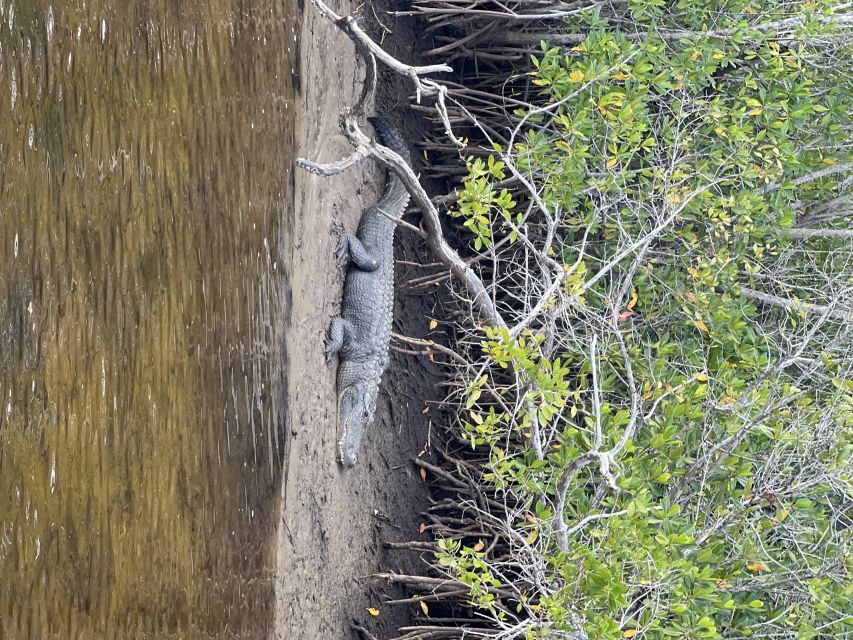
Alligators can be easier to spot when they’re positioned along the waterline or near the vegetation, but you still have to scan. The practical win here is that this tour gives you time to do that. It’s not a quick “look for a minute and move on” situation.
Birds overhead and along the mangroves
As you cruise, keep an eye on the sky. You’re likely to see brightly colored birds and other coastal wildlife. The best viewing tip is simple: don’t stare only at the water. Birds often cue you in that a spot is active.
One reason this whole segment feels worthwhile is that mangroves aren’t just scenery; they’re a navigation system and a feeding system. When you’re watching from the right angle at the right speed, you start to notice how wildlife uses the space.
How the dolphins-and-wake moment usually plays out
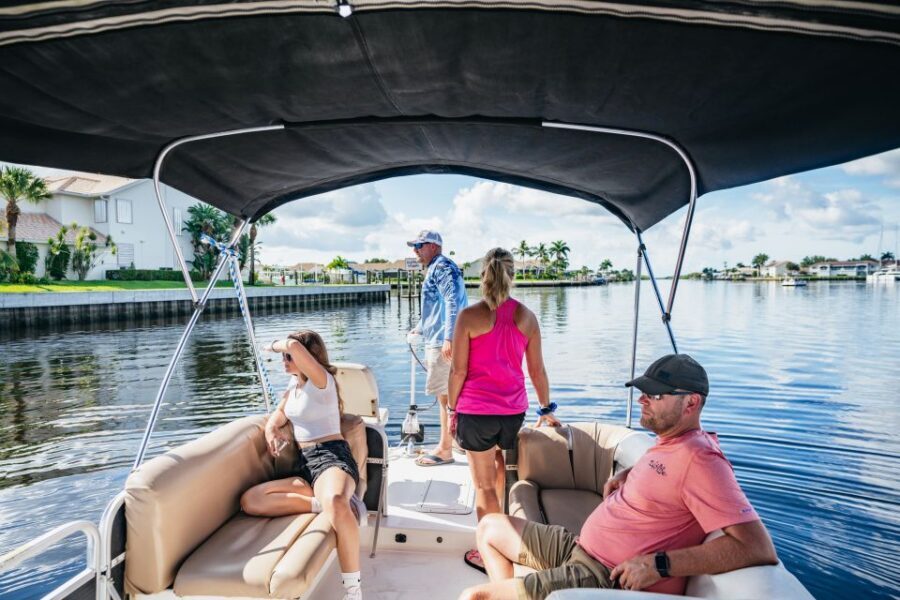
Dolphins are the crowd-pleasers on this itinerary, and they tend to show up along the wake as the boat travels. The tour is set up for that kind of spotting: you’re on the water long enough to see repeated passes, and your guide can help you time your watching.
Some days are “a few” dolphins. Other days can feel like the water is teaming with them. On trips guided by Captains Wes and John, dolphin sightings earned standout praise, including dolphins riding alongside the boat. That doesn’t mean every trip is the same. It does mean you’ll have multiple chances to look for them while you’re in motion.
If your group includes kids (or anyone with short attention spans), this is a good section to lean in. Bring your camera, but also enjoy the moment with your eyes first—often the best dolphin sightings are fast.
Whitehorse Island beach time (and why tide matters)
Then you get the part that turns the cruise into a beach day: Whitehorse Island. You disembark and get free time on the white sand beach. It’s a classic Florida break—walk the shoreline, look for shells, and take a dip in the sea-green water if conditions are comfortable.
Shelling can be hit-or-miss depending on tide. On at least one trip, high tide limited how much there was to find. So if you care about shells, plan to spend a real chunk of time walking the edge of the water where the sand lines change.
Beach attire is recommended, and this is where you’ll appreciate that the boat experience didn’t consume your whole day. The beach stop also helps if you’re traveling with mixed interests. Wildlife lovers get their mangrove time; everyone gets sand time.
The polarized lens trick: why your phone photos improve
A fun detail here is the gear: you receive polarized sunglasses and polarized phone camera lenses. This isn’t just a nice extra. Water glare can wash out colors and hide details, especially in bright harbor and bay light. Polarization cuts that glare, so you can see fishy shadows, shoreline edges, and wildlife silhouettes more clearly.
Practical advice: put the phone lens on before you start scanning for animals. Don’t try to fiddle with it mid-spotting. The best wildlife photo habits still matter: steady your grip, keep the horizon calm, and wait a second after you zoom so the shot can catch focus.
Guides make it feel personal (Andy, Becky, and the Captains)
This tour’s quality often comes down to the guide, and the names attached to strong experiences show a pattern. Andy is praised for keeping things low-key and relaxing, while Becky is praised for being informative and adding context that helps you understand what you’re seeing.
Captains like Wes and John are repeatedly described as having a knack for dolphin viewing, plus the ability to engage people while staying focused on wildlife. Captains Chris and Ed also get credit for delivering an enjoyable day even when a specific animal wasn’t on the menu.
That matters because wildlife days are inherently variable. A skilled guide doesn’t just report what’s in the water—they help you adjust your expectations on the fly and keep the group engaged.
Price and value: what $129 gets you
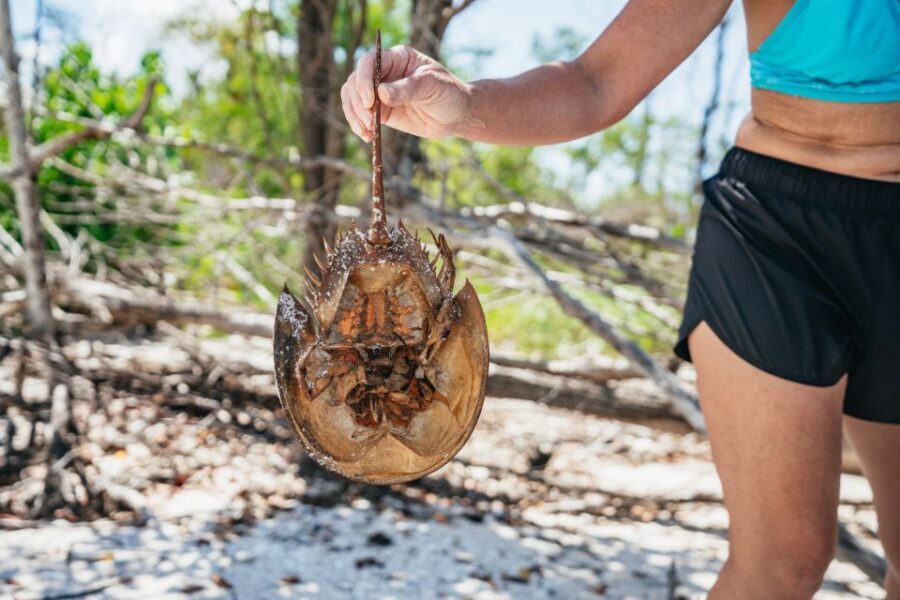
At $129 per person for about 3 hours, this tour isn’t the cheapest option in the Naples area, but it’s not overpriced for what’s included. Here’s what your money supports:
- A guided boat outing (not self-guided)
- The boat itself
- Polarized sunglasses and polarized phone camera lenses
- Free parking across the street from the firehouse
What’s not included is food and drinks. The value angle here is that you’re controlling what you bring. If you’d otherwise buy snacks on-site, bringing your own can keep the overall day cost in check. Alcohol is permitted, but there’s a no-glass-bottles rule, so plan accordingly.
So ask yourself one question: do you want a structured wildlife outing with gear assistance and a beach stop? If yes, this price feels fair. If you only want a quick cruise and don’t care about mangroves or beach time, you might compare other tours that are shorter or lighter on included items.
Weather realities: plan for a good day on the water
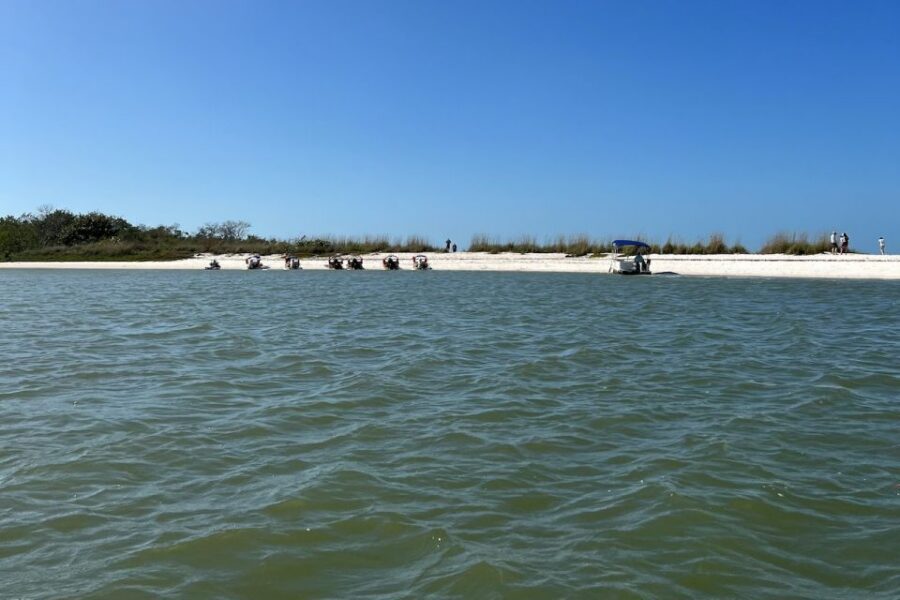
This experience requires good weather. If it’s canceled due to poor weather, you’ll be offered a different date or a full refund. Translation: you should check forecasts and dress for changing conditions.
Also, consider comfort. Bring mosquito repellent. That might sound like a basic Florida tip, but it’s the kind of small move that makes the boat-to-beach transition more pleasant instead of annoying.
Who this tour suits best
This is a strong fit for:
- Couples who want an easy day that still feels wild and special
- Families who like animals and can handle a couple hours of calm “search and spot”
- Phone photographers who will actually use the polarized lens tool
- Wildlife watchers who prefer a guided, slower approach over rushing between stops
It’s also a good choice if you want a day that mixes action (dolphins and spotting) with a downshift (Whitehorse Island stroll and a swim). That pacing is part of the appeal.
Should you book it? My decision rule
Book it if your ideal day is: boat time in the Everglades of Naples area, mangroves with wildlife potential, and a beach break on Whitehorse Island—plus you appreciate practical gear for better photos.
Skip it (or book with a flexible mindset) if you’re the type who needs guaranteed manatees or guaranteed dolphins. Wildlife sightings can vary, and some days skew toward birds and alligators rather than manatees or dolphins.
One more nudge: choose it if you can go in with patience. The trip rewards calm attention. When you’re scanning instead of rushing, you’ll get more out of every minute on the water.
FAQ
FAQ
How long is the Naples, FL: Manatee, Dolphin, 10,000 Islands Beach Eco Tour?
The tour lasts 3 hours.
Where do I meet for the tour?
Meet at the Port of the Islands Marina at dock D.
What’s included in the tour price?
Included are the guide, the boat tour, polarized sunglasses, and polarized phone camera lenses, plus free parking across the street from the firehouse.
Do I need to bring food and drinks?
Food and drinks are not included, so you’ll want to bring your own.
Is alcohol allowed on the tour?
Yes, alcohol is permitted. Just note there are no glass bottles allowed.
What should I wear or bring for Whitehorse Island?
Beach attire is recommended. It’s also a good idea to bring mosquito repellent.
What happens if the weather is poor?
This experience requires good weather. If it’s canceled due to poor weather, you’ll be offered a different date or a full refund.
Is the tour wheelchair accessible?
Yes, it is wheelchair accessible.
What if the tour doesn’t meet the minimum number of travelers?
This activity has a minimum of 2 travelers. If it’s canceled because the minimum isn’t met, you’ll be offered a different date/experience or a full refund.