REVIEW · MIAMI
West Palm Beach: Beginner Scuba Diving Adventure with Videos
Book on GetYourGuide →Operated by Try Snorkeling and Scuba Diving- West Palm Beach · Bookable on GetYourGuide
Your first breath underwater is easier than you think. This beginner scuba experience in West Palm Beach teaches you the basics step-by-step, then takes you on a guided underwater look at local fish and sea life.
I especially like the 10–15 minute shore briefing and how instructors—often Tabitha or Felipe—keep things calm and clear for first-timers. The session is paced so you start in very shallow water before you head out with a guide.
One thing to plan for: the meeting point is under a bridge at Phil Foster Beach Park. If you arrive late or don’t spot the right landmark, it can feel a bit confusing at first—so aim to check in early and look for the black storage trunk.
In This Review
- Key Highlights to Know Before You Go
- A 90-Minute First-Scuba Lesson in West Palm Beach
- Meet Tabitha or Felipe: Patient Coaching for Beginners
- Shore Briefing: The 10–15 Minute Basics That Matter
- Waist-Deep Practice in About 3 Feet of Water
- The Guided Underwater Tour and Video Keepsake
- What You Bring (and the Small Gear Rules That Catch People)
- Glasses and contacts: what’s allowed
- No swimsuit? You’ll be stuck
- Meeting Point at Phil Foster Beach Park: Under the Bridge
- Safety Reality Checks: Medical Form, Comfort, and No Rush After
- Comfort in the water
- Flying after scuba
- Price and Value: Why $99 Makes Sense
- Who This Experience Fits Best in West Palm Beach
- Should You Book It?
- FAQ
- How long does the beginner scuba experience last?
- Where do I meet the instructor, and when should I arrive?
- Is swimming required?
- What should I bring?
- Can I wear glasses or contacts?
- Who isn’t this activity suitable for?
Key Highlights to Know Before You Go
- Small group size (up to 8 people) helps you get hands-on attention when you need it.
- Tabitha and Felipe are repeatedly praised for patience with nervous first-timers.
- Waist-deep practice in about 3 feet of water builds confidence before you go deeper.
- Your guide records your session on video so you can relive it afterward.
- All scuba equipment is included, which keeps the “what do I need?” stress low.
- There are clear safety rules tied to medical questionnaires, comfort in water, and flying afterward.
A 90-Minute First-Scuba Lesson in West Palm Beach
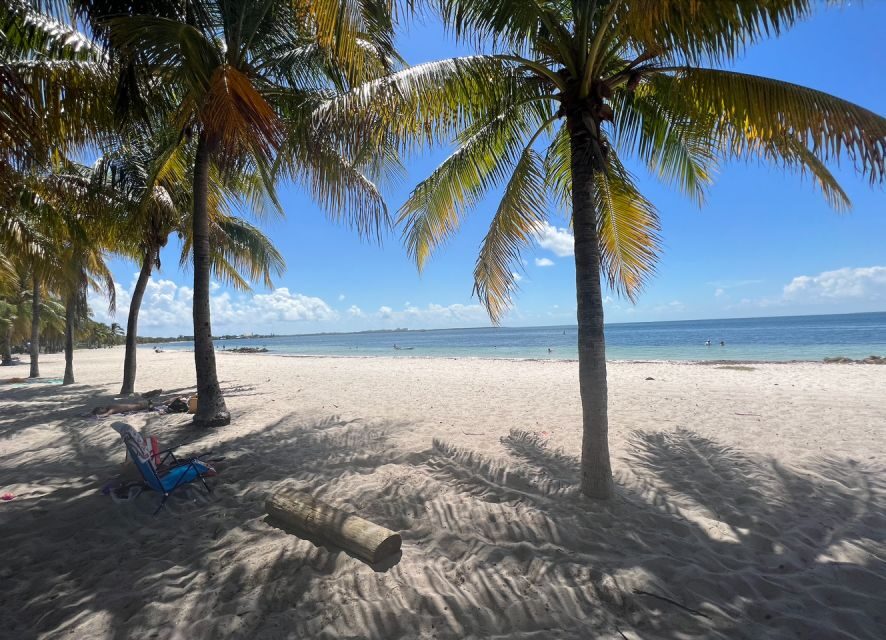
This is a short, focused way to try scuba without turning your day into a half-week project. In about 90 minutes, you’ll move from basic instructions on shore to supervised time underwater, in water shallow enough to feel in control.
The location matters. Phil Foster Beach Park is right on the water in West Palm Beach, so you get the real deal fast: gear up, quick classroom-style coaching, then you’re in the ocean for the fun part.
What you’re really buying for $99 is confidence. Not everyone learns the same way, and this format—short briefing, shallow practice, then a guided underwater tour—keeps you from being rushed.
You can also read our reviews of more tours and experiences in Miami.



Meet Tabitha or Felipe: Patient Coaching for Beginners
A huge theme here is how well the guides teach. Many participants call out instructors Tabitha and Felipe by name, and the pattern is consistent: clear explanations, lots of checking in, and patience when you’re still figuring out buoyancy, breathing, and basic gear setup.
That patient coaching is more than nice. For a first-time scuba student, your biggest enemy isn’t the ocean—it’s panic. When an instructor calmly walks you through what to do and watches you throughout the session, you’re far more likely to enjoy the experience instead of thinking about every second of it.
You can also expect instruction in English and Spanish, which is a real advantage if English isn’t your strongest language. Even if you’re fully comfortable speaking English, it’s comforting to know the guide can explain key points in more than one way.
Shore Briefing: The 10–15 Minute Basics That Matter
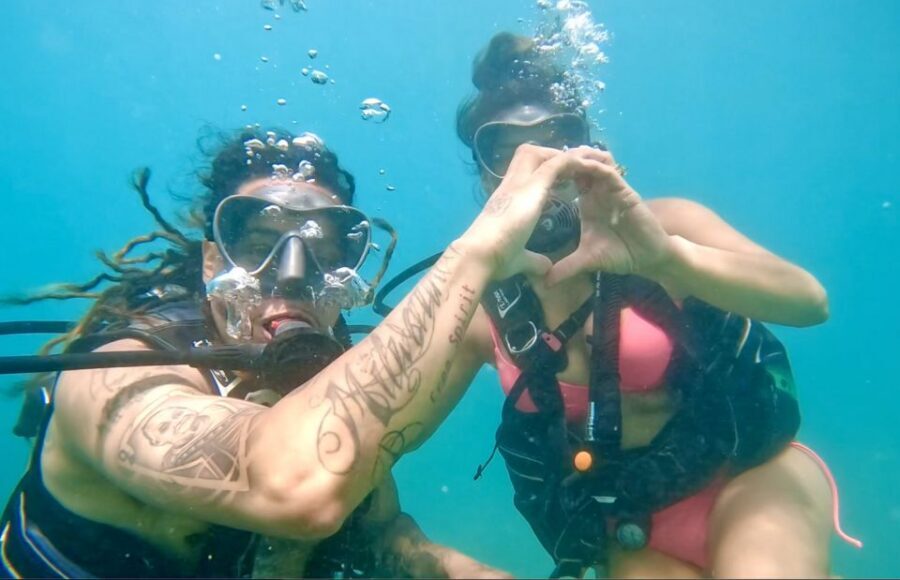
Before you ever get wet, plan on a focused briefing on the shore. Your instructor spends about 10–15 minutes going over the essentials—how the equipment works, what you should expect underwater, and how you’ll move and breathe safely.
This is the stage where your future self gets saved. If you get this part right, the underwater portion feels like a skill you’re practicing, not something you’re surviving.
Here’s what I like about the pacing: it’s long enough to make sense, but short enough that you’re not stuck in lecture mode. Then you transition immediately into practice—so learning sticks.
Waist-Deep Practice in About 3 Feet of Water
Next comes the confidence-builder: an introduction in waist-deep water, around 3 feet. You’ll practice breathing underwater and work on core scuba skills while still feeling close to the bottom and able to steady yourself.
This “practice first” approach is valuable for two reasons:
- It reduces fear. You’re not thrown straight into the deep end.
- It gives feedback fast. Your instructor can see what you’re doing and correct small issues early.
You don’t need to be a strong swimmer, but you do need to feel comfortable in the water. The goal is not athletic performance. The goal is calm control—breathing, body position, and basic movement.
The Guided Underwater Tour and Video Keepsake
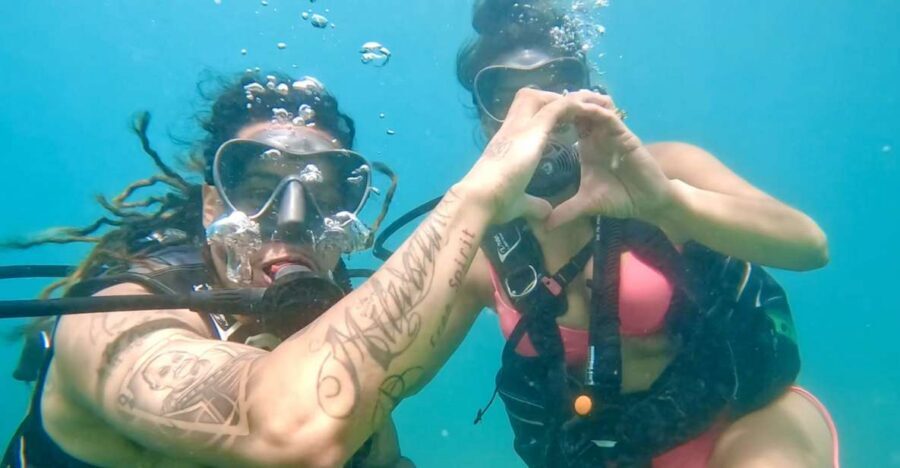
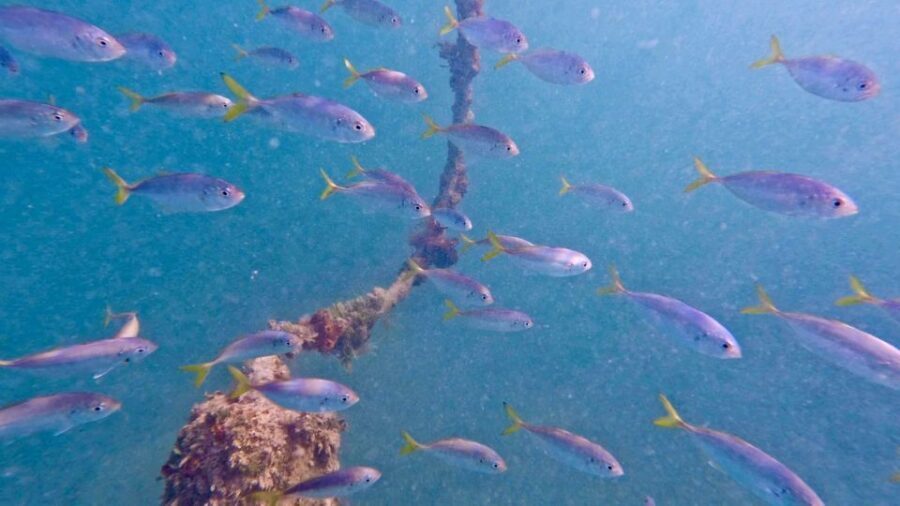
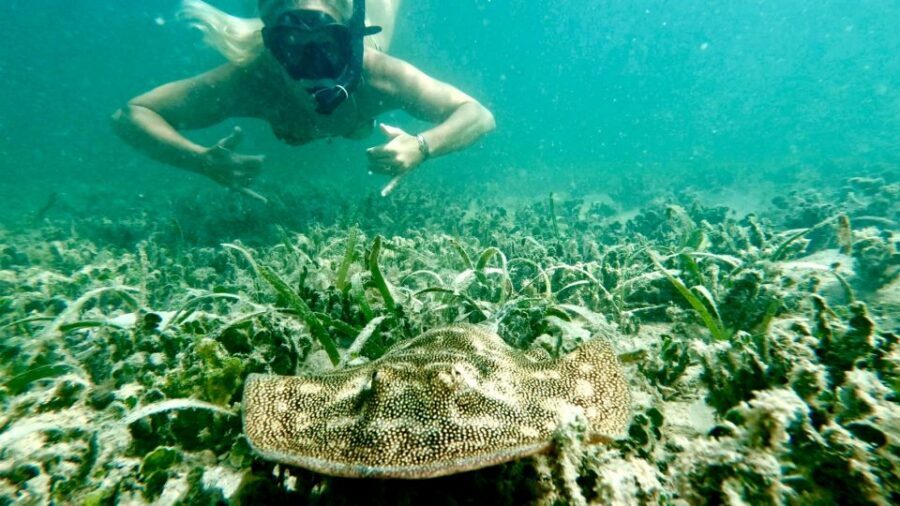
Once you’re comfortable, your instructor leads you into the guided underwater tour. This is where you shift from skills practice to experience mode: seeing fish and other sea creatures up close with a guide watching for safety and helping you stay oriented.
A helpful detail: many first-timers are kept in shallow areas, which often makes the underwater world feel less intimidating. You get the feeling of being “in” the ocean without needing to master advanced techniques.
And yes, the guide captures your adventure on video. That’s a smart add-on. When you’re focused on breathing and staying comfortable, it’s hard to fully take everything in. Later, you can replay what you saw and how you moved.
Small catch: the videos are complimentary, but if the camera malfunctions, there is no refund for the tour. So treat the video as an included bonus, not as the only reason to go.




What You Bring (and the Small Gear Rules That Catch People)
This is a “show up ready” activity. Scuba equipment is provided, but you still need to handle the basics.
Bring:
- Swimwear
- Towel
- Sunscreen
Also consider bringing a wetsuit or wetsuit top during cooler months. You can’t rely on rental gear you don’t have—so if the water feels chilly to you, plan ahead.
Glasses and contacts: what’s allowed
If you use vision correction, here’s the key rule: prescription glasses can’t be worn under the mask. Contact lenses are allowed, or you can go without.
There’s also a useful optical note: underwater magnification makes objects appear about 25% closer and larger. That means you may feel like you’re seeing things bigger and nearer than they’d look on land.
No swimsuit? You’ll be stuck
Since swimsuit and towel are on your list, don’t gamble. You’ll want to change quickly and comfortably before you suit up.
Meeting Point at Phil Foster Beach Park: Under the Bridge
Arrive early. You should park and check in 30 minutes before your tour at Phil Foster Beach Park.
You’ll meet your instructor under the bridge. If you don’t see them right away (they may be finishing up a class), wait by the black storage trunk under the bridge near the entrance. They’ll join you shortly.
This is the one logistics moment where planning saves stress. If you’re new to the area, the under-bridge meeting spot can feel odd the first time. Your best move is simple: arrive early, look for the trunk landmark, and trust the process.
Safety Reality Checks: Medical Form, Comfort, and No Rush After
Scuba is safe when done right—and this experience is clearly built around that idea. Before you go, you’ll fill out a medical questionnaire and a liability waiver.
It also isn’t suitable for everyone. The activity is not for:
- people with heart problems
- pregnant women
- people with pre-existing medical conditions
- children under 10
That might sound strict, but it protects the group. Your instructor needs to manage risk, not guess at what your body can handle.
Comfort in the water
Swimming isn’t required, but you must be comfortable in the water. If you’re uneasy about being wet, or you dislike buoyant movement, this activity may feel harder than it needs to be.
Flying after scuba
Another detail you should take seriously: flying within 12 hours after scuba is not recommended. If you’re doing a tight travel schedule with flights, leave yourself a buffer time.
Price and Value: Why $99 Makes Sense
At $99 per person for a beginner scuba session, you’re paying for more than equipment. You’re paying for:
- a professional guide
- scuba equipment
- the coaching time (shore briefing + practice)
- the guided underwater tour
- complimentary videos
For many people, the equipment part alone can make this feel like good value. The larger value, though, is the coaching. Learning scuba safely is mostly about getting the fundamentals right, and that takes instructor attention.
Also, this is a small group experience, limited to 8 participants, so you’re less likely to be stuck waiting your turn. That matters when you’re new and have questions you can’t articulate yet.
One more value point: having video captured by your guide means you don’t have to worry about your own camera handling while you focus on your breathing and comfort. That removes a common first-timer headache.
Who This Experience Fits Best in West Palm Beach
This is a great match if you want:
- a true first-timer introduction
- patient instruction with clear pacing
- a guided chance to see underwater fish and sea life
- a small-group vibe that feels controlled and calm
It’s also a good pick if you’re doing a simple Florida trip and want one standout activity without committing to a long course or a full-day plan.
If you already feel confident in the water and have some snorkeling experience, you’ll probably appreciate how quickly you get to the fun part. The shallow practice helps everyone, even experienced swimmers.
If you’re dealing with a health condition or you’re unsure about fitness requirements, it’s better to check before booking. The program rules are pretty clear for a reason.
Should You Book It?
I’d book it if you’re a beginner who wants structured teaching, not guesswork. The best part is the way instruction is paced: short shore fundamentals, then shallow practice around 3 feet, then a guided underwater tour—plus the video keepsake afterward.
Skip it (or at least rethink it) if you’re not comfortable in water or if any of the medical/suitability conditions apply to you. Also, if you’re the kind of person who hates logistics, plan for the under-bridge meeting spot by arriving early and using the black storage trunk landmark.
If you want a first scuba experience in West Palm Beach that feels safe, friendly, and focused on learning, this one makes sense.
FAQ
How long does the beginner scuba experience last?
The total experience time is about 90 minutes. The underwater part can vary based on group size and individual comfort, but expect roughly 1 to 1.5 hours in the water.
Where do I meet the instructor, and when should I arrive?
Meet at Phil Foster Beach Park. You should park and check in 30 minutes before the tour. The meeting spot is under the bridge; if you don’t see the instructor, wait by the black storage trunk near the entrance.
Is swimming required?
No. Swimming is not required, but you do need to be comfortable in the water.
What should I bring?
Bring swimwear, a towel, and sunscreen. A wetsuit or wetsuit top is not included, and during cooler months you’re recommended to bring one.
Can I wear glasses or contacts?
Prescription glasses cannot be worn under the mask. Contact lenses are allowed, or you may go without. Underwater magnification can make objects appear about 25% closer and larger.
Who isn’t this activity suitable for?
It is not suitable for people with heart problems, pregnant women, people with pre-existing medical conditions, and children under 10. All participants must also complete a medical questionnaire and liability waiver before the tour.