REVIEW · MIAMI
Award-winning Art Deco & Neon Lights Walking Tour
Book on GetYourGuide →Operated by Miami Deco Tours · Bookable on GetYourGuide
Miami Beach looks glamorous.
This tour explains why. You walk past Art Deco icons and neon glow, but the real payoff is how the guide connects buildings to the people, plans, and pop-culture myths that shaped the strip.
Two things I really like: you get behind-the-scenes access to historic hotel spaces, and you also get neon history and Art Deco meaning in plain language, not museum-speak. One drawback to consider: if you only want postcard views and zero backstory, this will feel like a lot of talking.
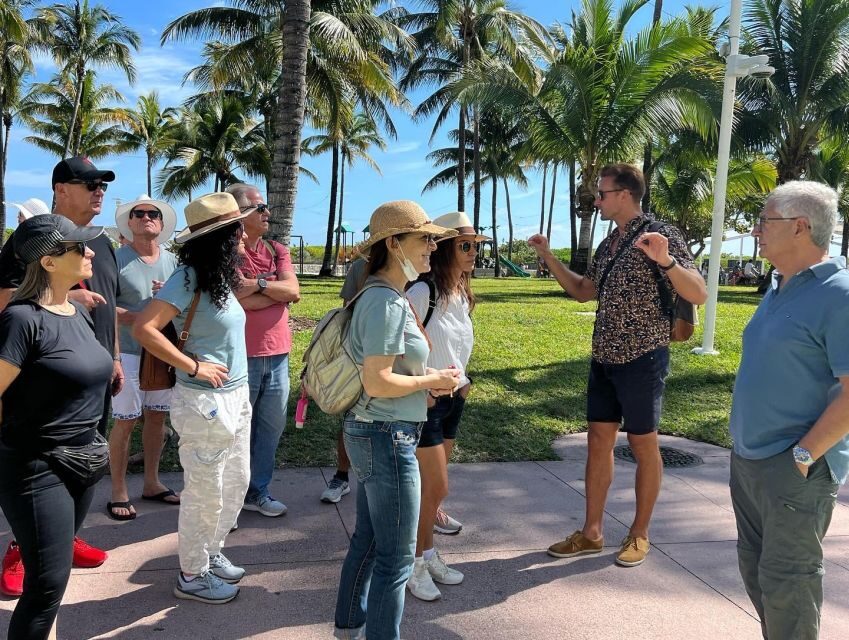
With Damian leading the way, the whole experience plays like a guided story walk through Miami Beach’s design and drama, from man-made beginnings to film locations you recognize the moment you see the facades.
In This Review
- Key Points You’ll Care About
- Meeting at The Betsy Hotel and Getting Oriented on Ocean Drive
- Miami Beach as a Built World: Man-Made Plans and Biscayne Bay’s Swampy Past
- Art Deco Explained as Mood Design, Not Just Old Buildings
- Neon Lights and the History of the Glow After Dark
- Behind-the-Scenes Interiors: Lobbies, Corridors, Speakeasies, and Rooftop Views
- Film, TV, and Celebrity Stories: Miami Vice, Scarface, Birdcage, and Ali
- Value at $49: Why 150 Minutes Beats a Random Sights Walk
- Who This Tour Suits Best (and Who Should Think Twice)
- Should You Book This Art Deco and Neon Lights Walking Tour?
- FAQ
- How long is the Art Deco and Neon Lights Walking Tour?
- Where does the tour meet?
- Who leads the tour?
- Is the tour in English?
- What is included besides the walking portion?
- What booking options are available?
Key Points You’ll Care About
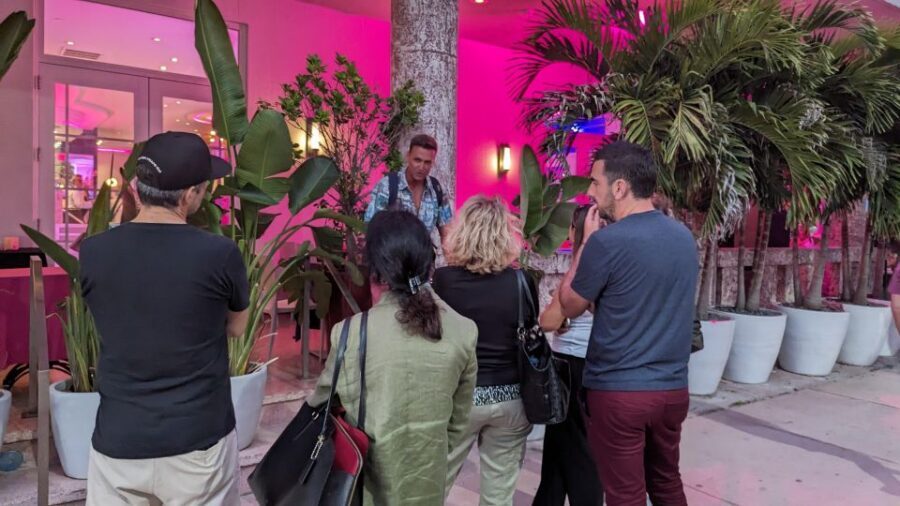
- Damian brings Art Deco theory down to street level, with explanations you can actually use while looking at buildings.
- Neon isn’t treated like décor; you’ll hear how it became part of Miami Beach’s identity.
- You get semi-public access to historic hotel lobbies and other spaces most people miss.
- Pop culture is part of the architecture lesson, with film and TV references including Miami Vice, Scarface, and Birdcage.
- You hear Miami Beach origin stories (including the man-made reality and Biscayne Bay’s earlier swampy past).
- You finish with a curated guide map, so the walk keeps paying off after you leave.
Meeting at The Betsy Hotel and Getting Oriented on Ocean Drive
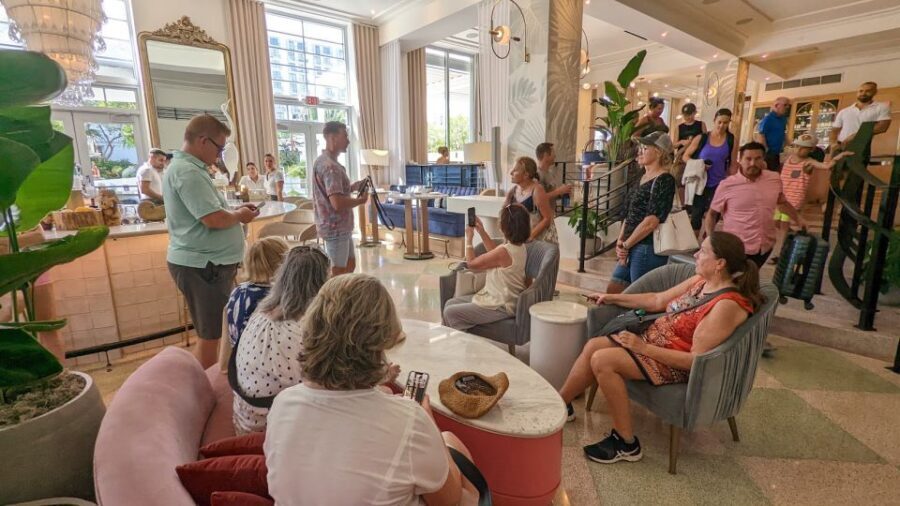
The tour starts in a classic Miami Beach spot: The Betsy Hotel lobby, near the concierge desk. Here’s the small detail that matters. You should walk in from Ocean Drive (not Collins Ave.) so you’re inside before the group begins.
This opening moment sets the tone. Instead of a generic welcome, you get quick framing for what you’re about to see: why Art Deco shows up where it does, how neon became a nighttime language, and why Miami Beach is more engineered than you might assume. It’s the kind of start that helps you look better immediately.
Damian also uses the first minutes to get your eyes tuned. You start noticing patterns: building shapes that funnel light, corners designed for visual drama, and façade choices that make streets feel more theatrical after dark. If you’ve ever wondered why certain streets look like movie sets at golden hour, you’ll understand the mechanics by the time the first major landmark segment is done.
One practical note: this is a 150-minute walking tour, so plan for a steady pace and enough time to linger where Damian points you. You’ll want shoes you can handle comfortably.
You can also read our reviews of more walking tours in Miami


Miami Beach as a Built World: Man-Made Plans and Biscayne Bay’s Swampy Past
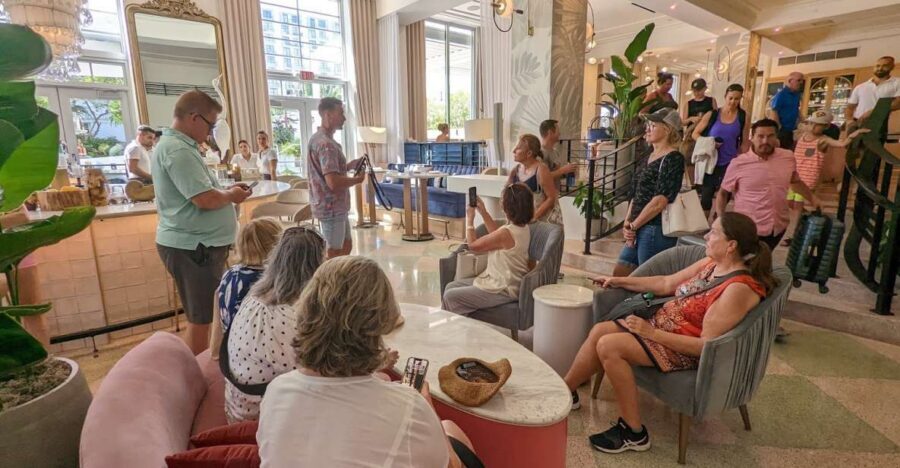
A big part of the tour’s strength is that it doesn’t start with the buildings. It starts with the place. Miami Beach is, as you’ll learn, mostly man-made. That single idea changes how you interpret everything that follows, because development decisions weren’t just “decorate a coastline.” They were “build a stage and then fill it.”
Damian ties that transformation to the water story behind the area. You’ll hear about Biscayne Bay being a shallow swamp in earlier days, and you’ll connect that to why the city looks and works the way it does today. It’s the kind of context that makes Art Deco make more sense. When a place is engineered, the design choices often feel unusually intentional.
You also get a human layer, not just geography. Damian weaves in the dramatic headline moments Miami Beach is known for, including the sports history connected to Muhammad Ali, whose first world boxing championship moment is tied to Miami Beach in this narrative. Even if you don’t care about boxing, the point is storytelling through place: how a location becomes part of a legend because it happened there.
The tour then moves from origins to identity. That’s where the Art Deco and neon pieces click. The city didn’t just grow; it developed a personality. And the buildings and lights are the visible proof.
Art Deco Explained as Mood Design, Not Just Old Buildings
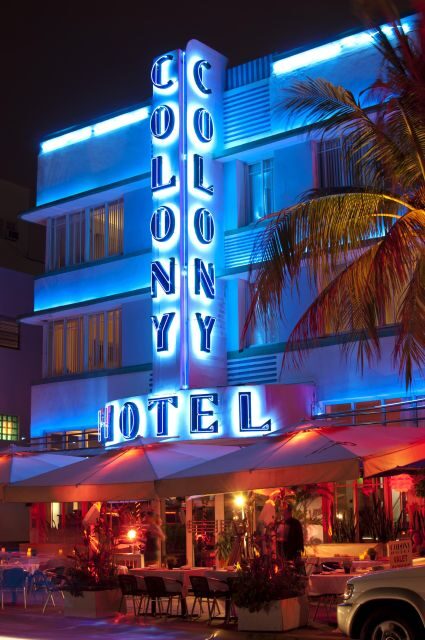
Art Deco can sound like a label until someone shows you what it’s doing. On this tour, Damian treats Art Deco like a design system aimed at one thing: creating a fantasy of glamour.
You’ll learn the significance of Art Deco by looking at how details work together. Think about symmetry, repetition, and the way façade elements catch and bounce light. You’re not just counting motifs. You’re learning what the choices were meant to do to the street scene—how the architecture shaped emotions before neon signs ever took over.
Damian also helps you read the city like a design puzzle. He points out architecture that’s hiding in plain sight, and explains how form, materials, and styling create the Miami Beach look people travel for. It’s the difference between seeing a building and understanding why it looks the way it does.
Another key part: you’ll hear backstories that go beyond what a plaque tells you. The tour includes scandals and crime tales tied to places that once made headlines. That element matters because it turns architecture into context. When a lobby, corridor, or façade has a past, it changes how you experience the space in the present.
If you enjoy history that has tension—progress paired with trouble—this is where the tour tends to feel most alive. If you only want smooth, celebratory facts, it might feel a bit darker than expected, but the framing stays grounded and tied to the physical places you’re standing in.
Neon Lights and the History of the Glow After Dark
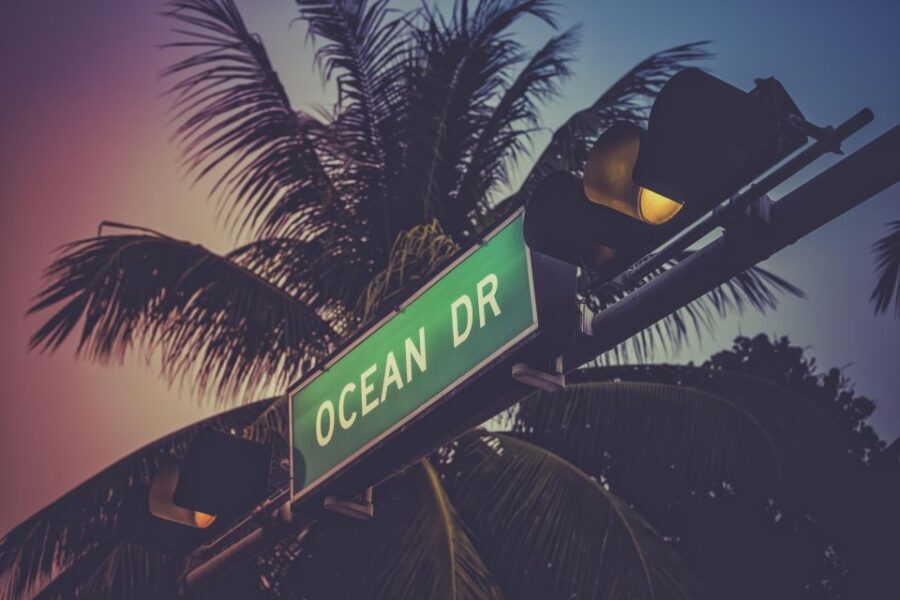
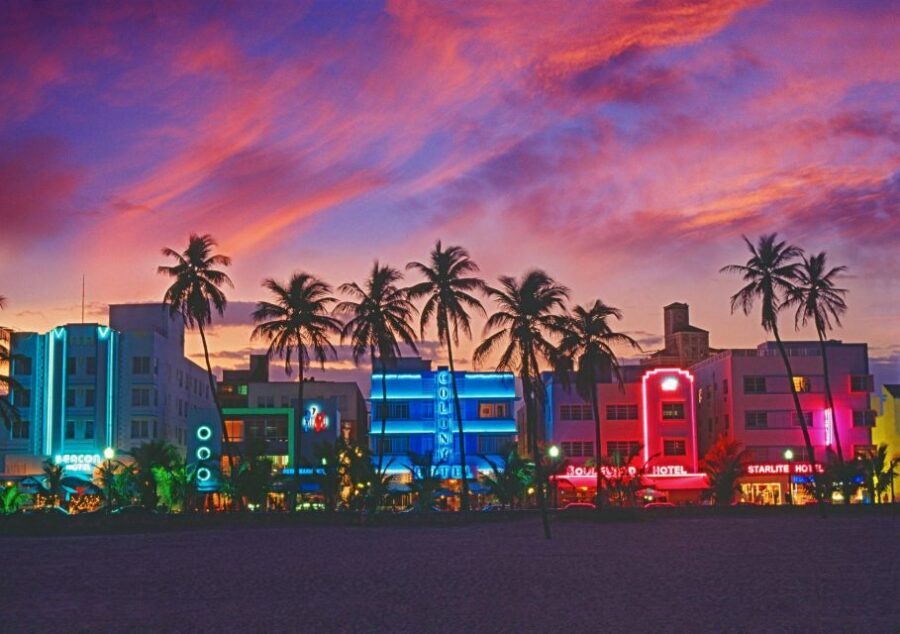
After you understand the design language of Art Deco, the neon segment feels like the next chapter. The tour focuses on the magic glow of neon and why it mattered historically—not just aesthetically.
Damian connects neon to the evolution of Miami Beach nightlife and the way commercial life became part of the visual brand. You’ll learn how neon signs and lighting culture helped turn the beachfront strip into a night-time identity you could recognize instantly. In other words: neon wasn’t only decoration. It was communication, atmosphere, and marketing all at once.
What makes this part satisfying is how it ties back to the buildings. Art Deco shapes the day look; neon shapes the night look. When you put them together, the whole area becomes a designed environment for mood. That’s the tour’s theme in action.
This is also where the “don’t go places you’d never go alone” promise shows up. You’ll get guided access and references that help you find angles and perspectives you might miss while self-walking. You’ll also pick up movie and TV trivia tied to locations where neon and architecture become part of the scene language.
If you’re the kind of person who likes photography, you’ll appreciate the instruction on where to stand and what to watch for visually. Even if you don’t take photos, your brain will still start labeling what you see—and that’s a real souvenir.
Behind-the-Scenes Interiors: Lobbies, Corridors, Speakeasies, and Rooftop Views
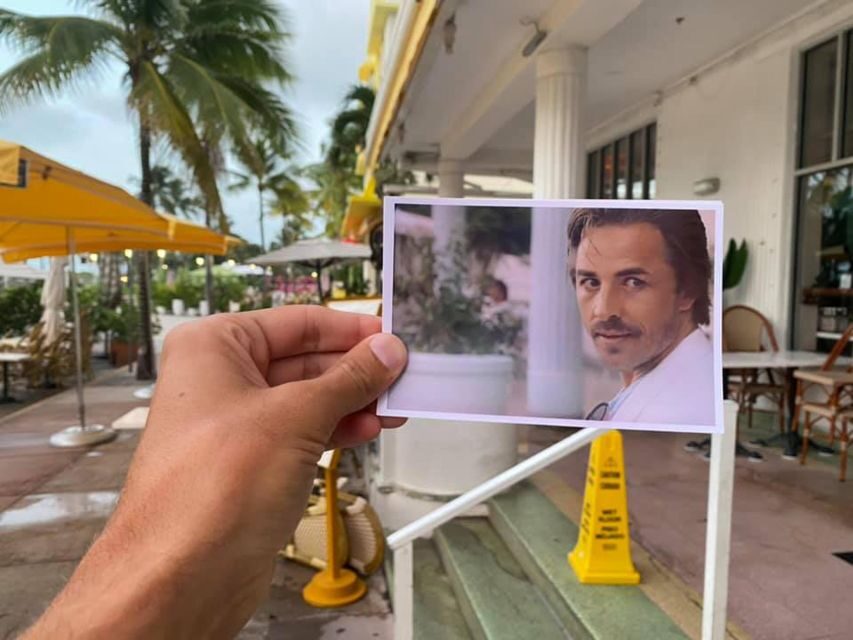
One reason this tour feels different from standard walking routes is the access. You’ll step into historic hotel lobbies and other semi-public spaces, plus you’ll hear stories tied to obscure interiors—places you usually pass by without ever entering.
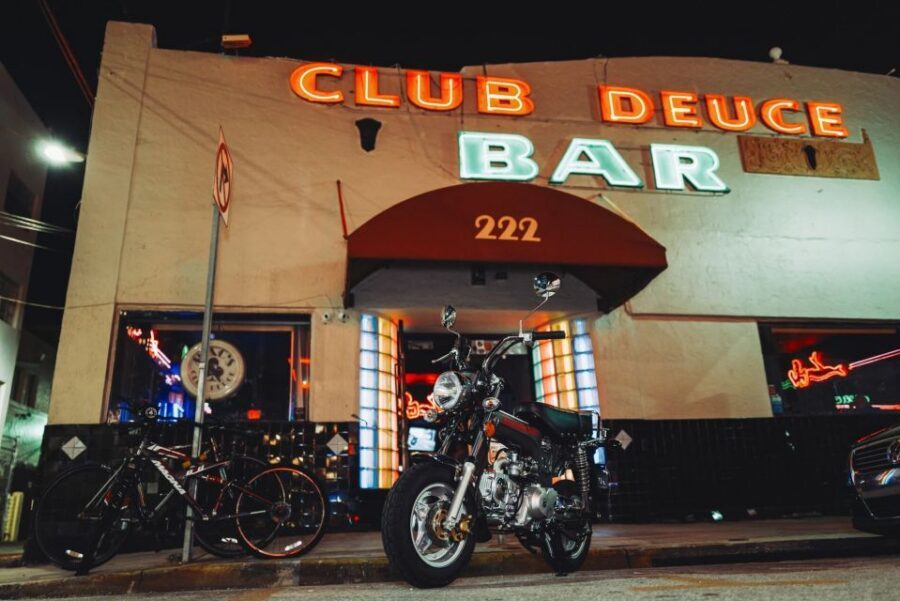
Damian leads you through the kinds of spots that feel secret even when they’re right under your nose: peculiar corridors leading to hidden havens, obscure lobbies with intriguing tales, and even speakeasies with stories that connect to the eras that shaped Miami Beach.
You also get the rooftop angle. The experience includes secret rooftop terraces with breathtaking views. Even without naming specific rooftops, the effect is clear: you get a higher perspective that re-contextualizes the architecture you just studied at street level. It’s an excellent reset for your eyes and your understanding.
There’s also a darker thread. You’ll step foot on crime scene locations that once captured the world’s headlines. This is not shock-for-shock’s sake. The guide uses those moments to explain how the city’s public image was built—sometimes by glamour, sometimes by controversy.
And because you’re walking and learning in short, connected bursts, you don’t feel like you’re stuck in a single lecture mode. You move, you look, you hear, and then you immediately apply what you just learned to the next façade or doorway.
You’ll leave with a map too. The tour includes an artfully crafted guide map personally curated by your tour host. That’s practical value, not just a keepsake, because it helps you keep exploring with purpose.






Film, TV, and Celebrity Stories: Miami Vice, Scarface, Birdcage, and Ali
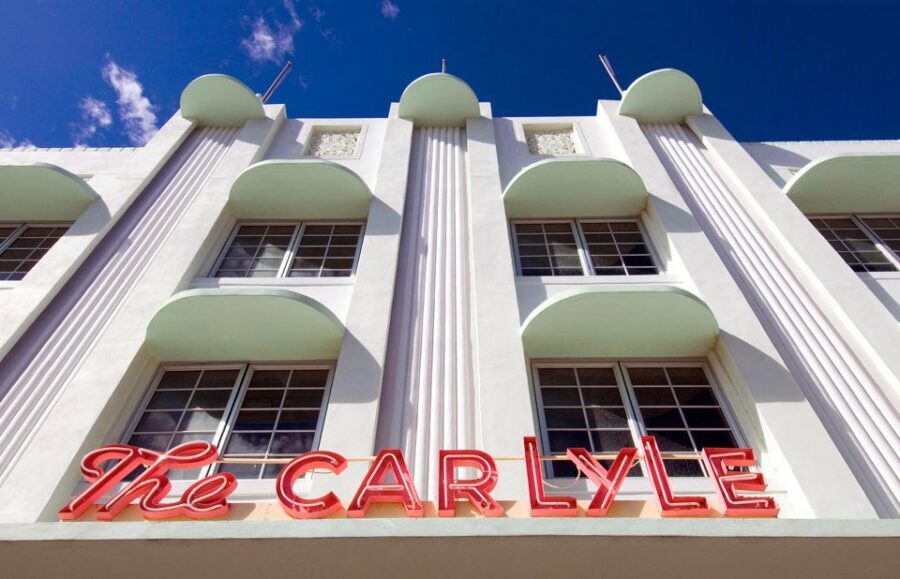
Here’s the secret sauce: the tour treats Miami Beach as a set that keeps getting reused. You’ll learn about Hollywood film locations that made Miami famous, including Miami Vice, Scarface, and Birdcage. The point isn’t just name-dropping. Damian shows you how pop culture turned these streets and buildings into recognizable symbols.
As you walk, you’ll get trivia that makes the architecture feel like part of a bigger myth. You start seeing the same shapes and lighting choices as storytelling tools—because directors picked places for their visual impact. That’s why this tour lands well even if you don’t consider yourself a deep history person. Pop culture is the bridge.
Then Damian adds real-world celebrity history to keep it grounded. The tour includes the story of Muhammad Ali becoming world boxing champion for the first time right here in Miami Beach. Again, you’re not just collecting facts. You’re learning how events layered into the city’s identity, creating the aura people associate with Miami Beach.
This section also helps you understand why some spots feel more dramatic than others. When a building has appeared on screen, it carries memory—even if you’ve never visited. Once the guide connects the location to the scenes and themes, the city becomes easier to read.
It’s one of the most praised aspects of the experience: the way the tour connects dots so you understand how architecture, historical events, and pop culture intertwine.
Value at $49: Why 150 Minutes Beats a Random Sights Walk
At $49 per person for 150 minutes, the price makes sense if you’re trying to get more than photos. You’re paying for three things most self-guided walks can’t deliver.
First, you’re paying for interpretation. Damian’s approach helps you understand why the buildings look like they do and why neon belongs in the same conversation. Second, you’re paying for access. The tour includes behind-the-scenes entry into historic hotel lobbies and other semi-public spaces that most visitors won’t stumble into. Third, you’re paying for connection-building: film, architecture, Miami Beach origins, and dramatic stories all woven into one route.
This is also a smart choice if you’re only in Miami Beach for a short time. In a compact window, you’ll cover the core visual identity and the deeper reasons it exists. For a single outing, it’s strong value.
The main thing to consider is your interest balance. This is not a purely sightseeing route. If you want a quiet stroll or you prefer to read plaques at your own pace, you may find the storytelling intensity heavy. But if you like your attractions explained with momentum, it’s worth your time.
Who This Tour Suits Best (and Who Should Think Twice)
This tour is a great match if you like architecture that has personality. You’ll enjoy it if you’re the type of traveler who can’t resist asking why a façade looks the way it does, or why neon still feels linked to the city’s identity.
It’s also a strong fit if you enjoy film and TV. The tour references familiar titles like Miami Vice, Scarface, and Birdcage, and uses those connections to guide what you look at. Even if you only know one or two of those titles, the tour still gives you the “why this looks cinematic” payoff.
It may not fit as well if your travel style is strictly chill. If you’re hoping for mostly exterior views with minimal history, this is more of a structured story walk. You’ll move, you’ll enter, and you’ll listen.
If you’re traveling with someone who just wants quick landmarks, I’d suggest checking that they’re okay with a guided explanation-heavy format. One good way to make it work is to treat it as a shared prompt: you look at the building; your partner decides whether the story lands.
Should You Book This Art Deco and Neon Lights Walking Tour?
If you want Miami Beach to feel more than scenic, book it. Damian’s style focuses on meaning—Art Deco as mood design and neon as a cultural signal—while also delivering practical added value through semi-public access and a curated map.
Book it especially if you like:
- architecture with context
- film locations tied to real buildings
- stories that connect design to real events
Skip it if you’re chasing only quick visuals and don’t want your walk to include crime tales, scandals, and heavier backstory elements. For the right mindset, though, this is the kind of tour that makes the city stick in your head.
FAQ
How long is the Art Deco and Neon Lights Walking Tour?
The tour lasts 150 minutes.
Where does the tour meet?
Meet in the lobby of The Betsy Hotel near the concierge desk. Walk inside from Ocean Drive, not Collins Ave.
Who leads the tour?
It is guided by a local historian and preservationist (Damian is the named guide in the provided information).
Is the tour in English?
Yes, the live tour guide language is English.
What is included besides the walking portion?
You get guided tour time with behind-the-scenes access to historic hotel lobbies and other semi-public spaces, plus a guide map personally curated by the tour host, and references to famous Hollywood film locations.
What booking options are available?
You can reserve now and pay later, and you can cancel up to 24 hours in advance for a full refund.